If you're researching the rancilio silvia pro x upgrade from bambino plus, you've outgrown the all-in-one ThermoJet life. The Breville Bambino Plus is a brilliant entry-level machine, but after a year or two most home baristas hit the same wall: weak steam pressure for latte art, no real temperature stability for light roasts, and a tiny portafilter that fights you on dose. The Rancilio Silvia Pro X solves all three with a true dual-boiler architecture, dual PIDs, and a 58mm commercial portafilter. In 2026 it's still the cleanest jump from "prosumer-curious" to "actual prosumer" without crossing into Linea Mini money, and this guide walks through exactly why it earns the upgrade and what you'll need to buy alongside it.
Why the Bambino Plus stops feeling like enough
The Bambino Plus uses a ThermoJet heating system that hits brew temperature in three seconds. That's genuinely impressive engineering and it gets shots in the cup faster than almost anything in its class. But the same architecture that makes it fast also makes it inflexible. There's no PID display, no flow control, no pre-infusion you can actually tune, and the 54mm portafilter locks you out of the entire ecosystem of 58mm baskets, tampers, distribution tools, and bottomless portafilters that the rest of the espresso world standardizes on.
The steam wand is the other ceiling. Bambino Plus offers an automatic frothing mode that's great for beginners, but the manual mode produces steam pressure in the 1.0-1.2 bar range. That's enough for cappuccino-grade foam, but it will not give you the dense, paint-like microfoam that pours rosettas and tulips with crisp definition. Once you've watched enough latte art videos, this becomes the thing you obsess over.
What the Rancilio Silvia Pro X actually changes
The Silvia Pro X is a dual-boiler machine, which means there is one boiler dedicated to brewing espresso and a separate, larger boiler dedicated to producing steam. You can pull a shot and steam milk simultaneously, which sounds like a luxury until you do it once and never want to go back. Each boiler has its own PID controller with a digital display on the front of the machine, so you can set brew temperature to the exact degree (typical range 195-205F depending on roast) and steam pressure independently.
The brew group is a commercial E61-style group with active pre-infusion, the portafilter is the standard 58mm size, and the steam wand is a four-hole pro-style wand that produces dry, powerful steam comparable to what you'd find on a Linea Mini or a Lelit Bianca. Build quality is stainless steel inside and out, the machine weighs around 47 pounds, and the footprint is roughly 9.5 inches wide by 15 inches deep. It is genuinely a small commercial machine that happens to live on a kitchen counter.
For a home barista coming from a Bambino, the practical changes are: shots taste cleaner and more consistent because temperature doesn't drift between shots, light-roasted single origins finally open up because you can dial in temp to 204F instead of guessing, and milk drinks transform because the steam can stretch milk in 8-10 seconds with proper texture instead of fighting you for 25 seconds with anemic pressure.
The honest tradeoffs of the rancilio silvia pro x upgrade from bambino plus
This is not a free lunch. The Silvia Pro X takes about 15-20 minutes to reach full thermal stability from cold. You cannot walk into the kitchen, push a button, and have espresso in 60 seconds the way you can with a Bambino. Most owners run it on a smart plug scheduled to warm up before they wake up, or they accept the wait as part of the ritual.
It also demands a real grinder. The Bambino is forgiving because the ThermoJet masks a lot of grind inconsistency. The Silvia Pro X is not forgiving. If you're still using a Breville Smart Grinder Pro or, worse, pre-ground coffee, the Silvia will expose every flaw mercilessly. Plan to spend at least $400-700 on a dedicated espresso grinder (Eureka Mignon Specialita, DF64 Gen 2, or Niche Zero are common pairings) or the upgrade will feel like a downgrade.
And the price difference is real. A Bambino Plus runs around $500. The Silvia Pro X is roughly $1,900-2,100 depending on the year and retailer. Add a grinder and you're looking at a $2,500-3,000 total setup, plus accessories.
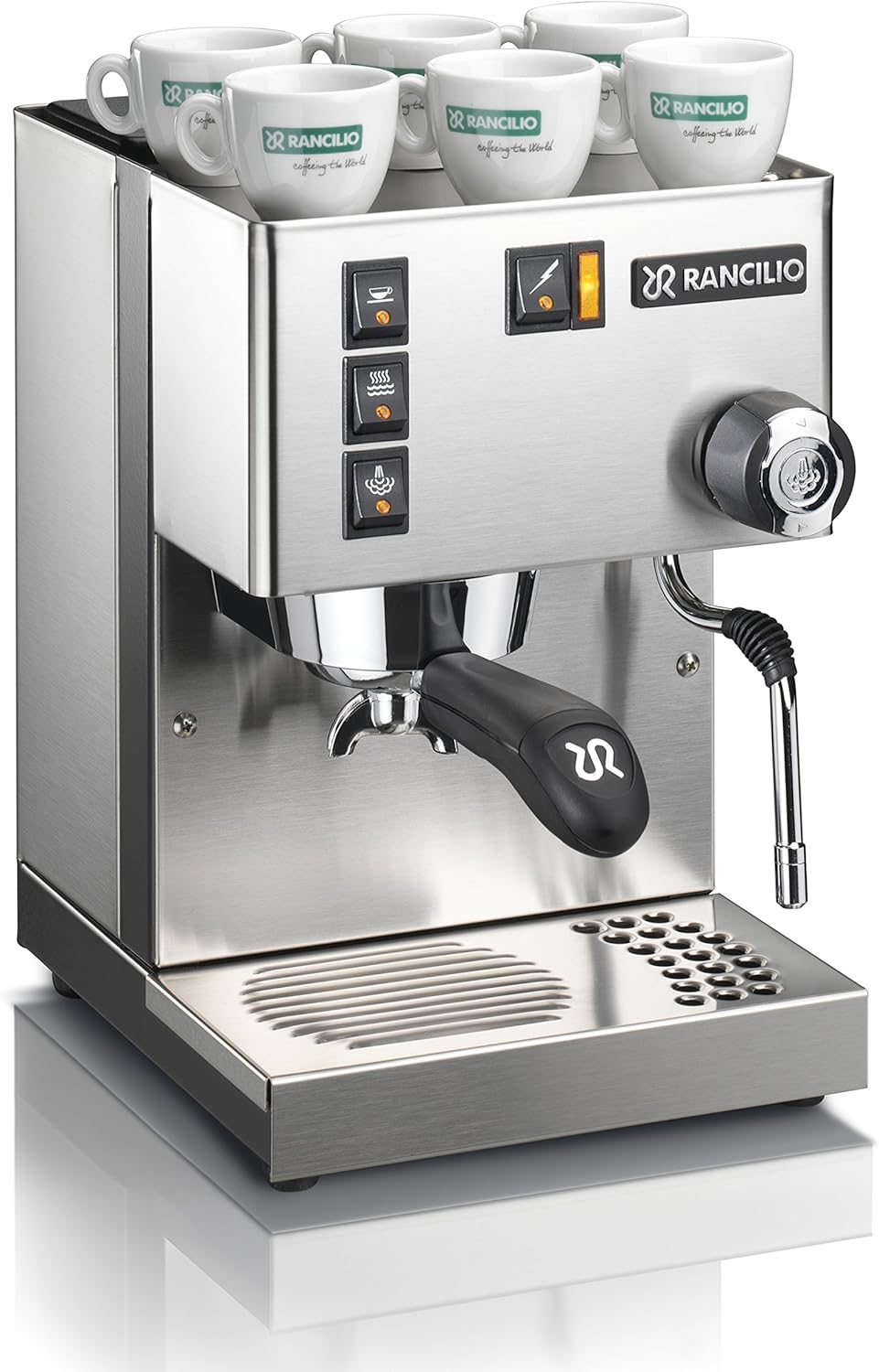
Comparison: where the Silvia Pro X sits versus the alternatives
| Machine | Boiler Type | Portafilter | PID | Best For |
|---|---|---|---|---|
| Rancilio Silvia Pro X | Dual boiler | 58mm commercial | Dual PID, digital | Manual baristas wanting pro feel |
| Breville Barista Express | Single thermocoil | 54mm | Basic temp control | All-in-one with built-in grinder |
| Ninja Luxe Cafe Premier | Thermoblock | 54mm | Preset profiles | Convenience-first households |
| Philips 4400 Series | Thermoblock super-auto | Internal | Automated | One-button drinks, no learning curve |
Alternative paths worth considering before you commit
Not everyone upgrading from a Bambino actually wants a Silvia Pro X. The honest question to ask yourself is whether you want to do more barista work or whether you want better results with less work. The Silvia is firmly in the first camp. If you're in the second, two other machines deserve a hard look before you spend $2,000.
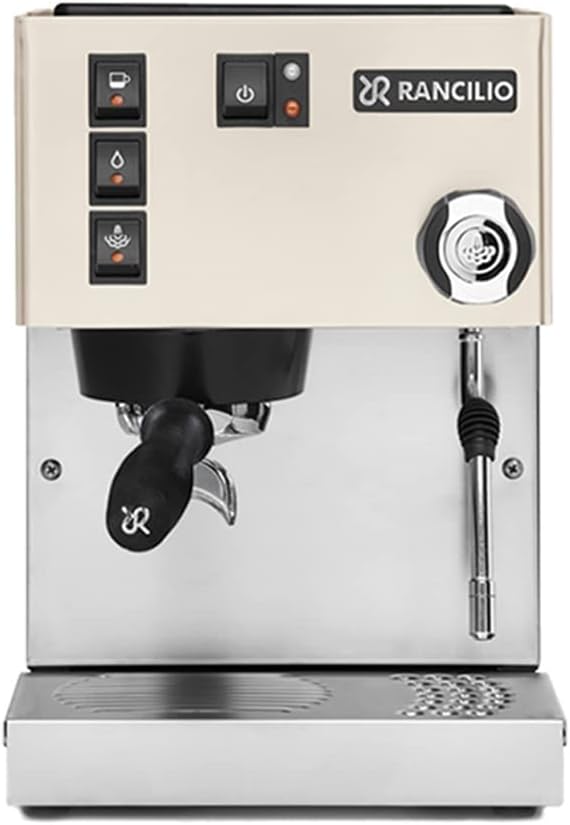
Breville Barista Express BES870XL
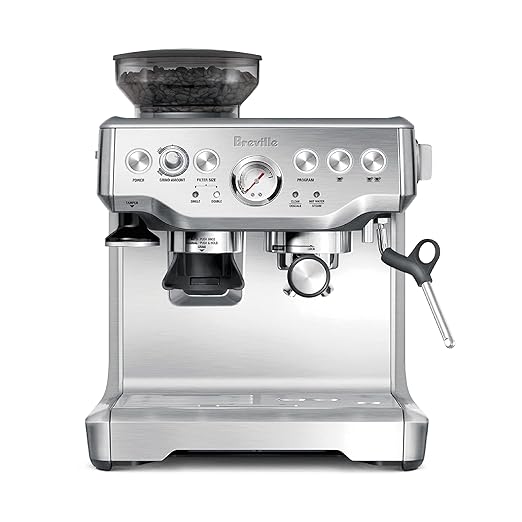
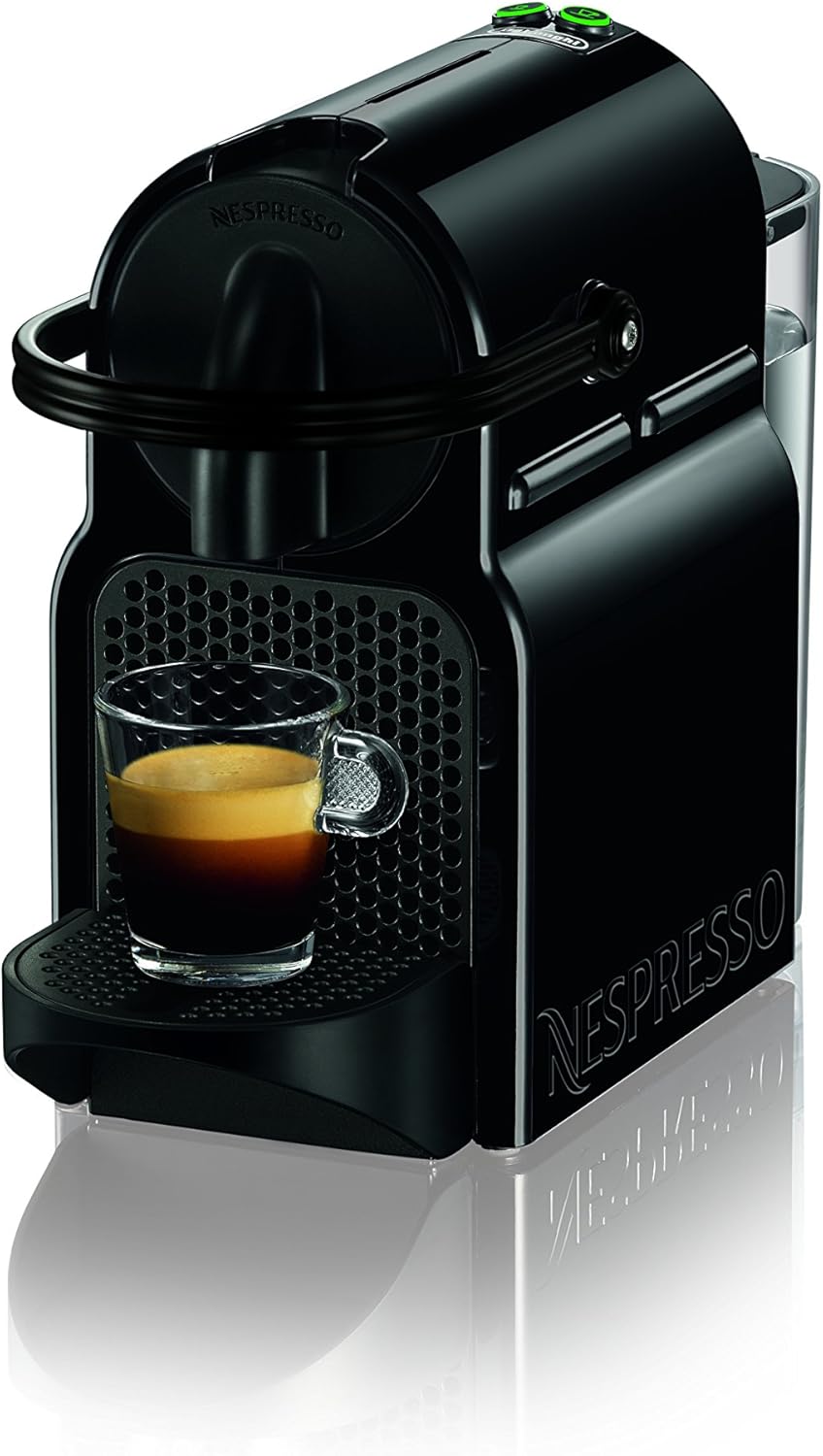
The Barista Express is the natural Breville-ecosystem step up from a Bambino. It keeps the same 54mm portafilter (so any tampers and baskets you already own carry over) and adds an integrated conical burr grinder, a steam wand with a bit more pressure, and a pressure gauge. It's not a dual boiler and it won't deliver the temperature stability of a Silvia, but it's a legitimate upgrade for people who want one machine on the counter and a guided workflow. Total all-in cost is dramatically lower than a Silvia plus separate grinder. Check the Breville Barista Express on Amazon.
Ninja Luxe Cafe Premier 3-in-1
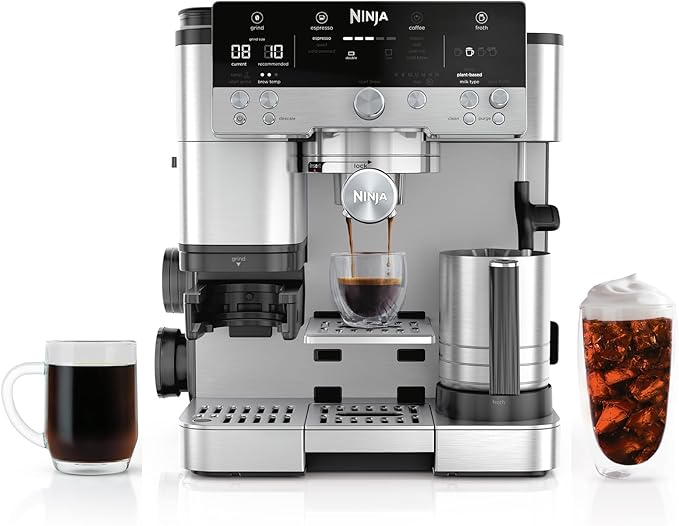
The Ninja Luxe Cafe is the newest entry in the prosumer-adjacent category and it's targeted directly at Bambino owners who like the convenience of automation but want more capability. It does espresso, drip coffee, and cold brew from a single machine, includes an integrated grinder with preset recipes, and a milk frother that handles both microfoam and cold foam. It's not a manual barista's machine—you won't get the same control as a Silvia—but for households where multiple people make different drinks, it's a flexible answer. See the Ninja Luxe Cafe Premier on Amazon.
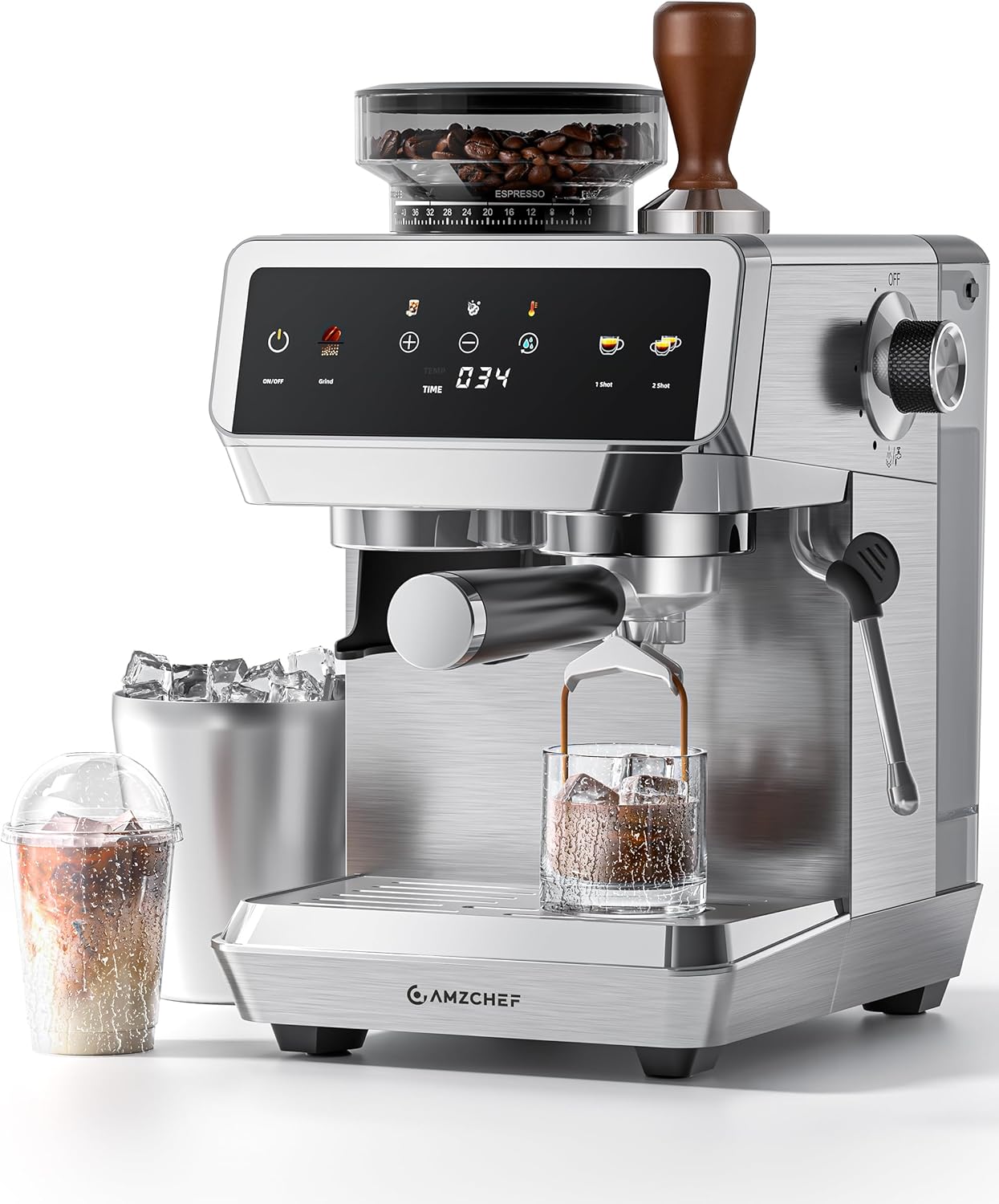
Philips 4400 Series Fully Automatic
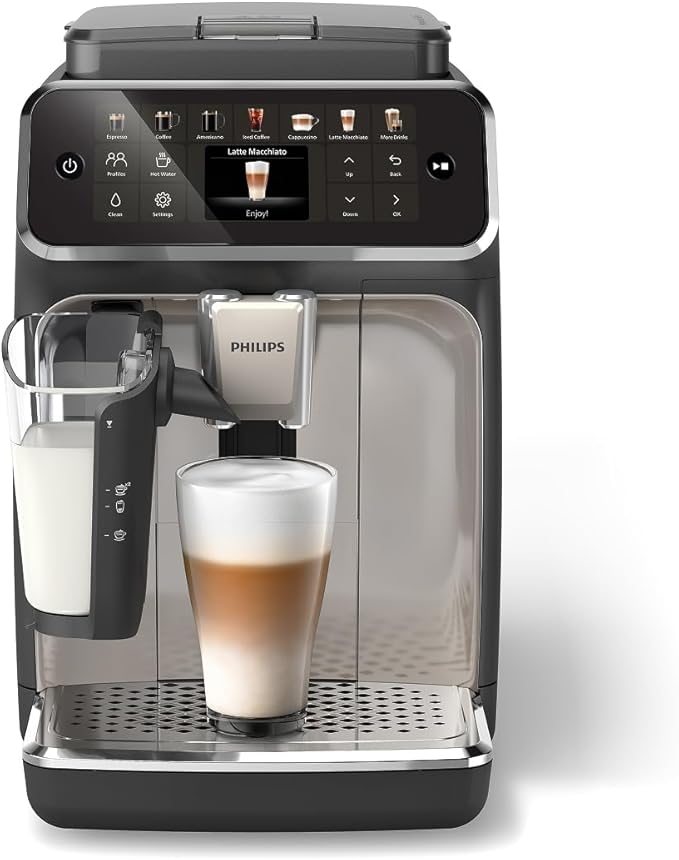
If reading the previous two paragraphs made you tired, the Philips 4400 is your honest answer. It's a super-automatic: beans go in the top, you push a button, espresso and steamed milk come out the bottom. There is no portafilter to dose, no puck to tamp, no steam wand to texture. The 4400 has a LatteGo system that produces decent (not exceptional) milk foam and a touchscreen with about a dozen drink presets. You will not pull world-class espresso from it, but you also will not spend 15 minutes every morning chasing a grind setting. View the Philips 4400 Series on Amazon.
What to budget beyond the machine itself
The Silvia Pro X is the most-discussed line item but rarely the only one. A realistic 2026 budget for a full Bambino-to-Silvia upgrade looks like this: machine around $1,950, dedicated espresso grinder $500-900, bottomless portafilter $60-90, precision baskets (VST or IMS) $25-40, calibrated tamper $40-80, WDT distribution tool $20-50, knock box $30-50, and a quality milk pitcher $25-40. Total realistic outlay: $2,650-3,200 if you're building from a Bambino-era kit, less if you've already accumulated 58mm accessories. For grinder pairing specifics, our 2026 espresso grinder pairings guide walks through which grinders match which machines at which price points.
The learning curve and what to expect in the first month
Plan to throw away coffee for the first two weeks. The Silvia Pro X has a steeper learning curve than the Bambino because it gives you control over variables the Bambino hid from you—dose, distribution, tamp pressure, brew temperature, pre-infusion length, and yield ratio all matter and all interact. The good news is that once you dial in a bean, the machine's stability means the same recipe works tomorrow and the day after. The Bambino's variability often masqueraded as bean-quality issues; the Silvia will show you that what you thought was a stale bag was actually a hot machine.
Most owners report that month one is humbling, month two is exciting, and month three is when shots start landing consistently at coffee-shop quality. If you've already been practicing latte art on the Bambino with limited success, the steam-wand upgrade alone will probably surprise you in the first week. For practical guidance on the milk side, see our microfoam techniques for pro steam wands.
Who should not buy the Silvia Pro X
If you make fewer than one drink per day, the warm-up time will frustrate you and the machine will feel like overkill. If nobody else in your house is going to use it, and you mostly want one quick latte before work, a super-automatic like the Philips 4400 or even keeping the Bambino is the rational call. If you don't want to buy a separate grinder, do not buy a Silvia—pulling Silvia shots through a basic grinder is genuinely worse than pulling Bambino shots through a basic grinder, because the Silvia rewards (and demands) particle uniformity the Bambino didn't care about.
The rancilio silvia pro x upgrade from bambino plus only pays off if you actually want to be a home barista, not just have better coffee. There's a meaningful difference between those two goals and the Silvia is built for the former.
Frequently Asked Questions
Is the Rancilio Silvia Pro X worth it over the original Silvia in 2026?
Yes, for most upgraders the Pro X is the better buy because it's a true dual boiler with PID on both the brew and steam side. The original Silvia (now called Silvia V6) is a single-boiler machine that requires temperature surfing between espresso and steam, which is a learnable skill but a real friction point coming from a button-driven Bambino. The Pro X is roughly $700-900 more expensive but eliminates the most-complained-about Silvia quirk.
How long does the Silvia Pro X take to warm up from cold?
About 15-20 minutes to reach full thermal stability, though the PID will show "ready" temperature within 8-10 minutes. Most owners use a smart plug or the machine's built-in timer to start warm-up automatically before they make coffee. Once warm, it can sit at temperature all day with minimal energy draw thanks to insulated boilers.
Can I use my Bambino Plus accessories with the Silvia Pro X?
Almost none of them, unfortunately. The Bambino uses a 54mm portafilter and the Silvia uses 58mm, so tampers, baskets, distribution tools, and bottomless portafilters all need to be replaced. Your milk pitcher carries over, and your scale and timer carry over. Budget around $150-200 for a baseline 58mm accessory kit.
What grinder pairs best with the Silvia Pro X for home use?
In the $500-700 range, the Eureka Mignon Specialita and the DF64 Gen 2 are the most-recommended pairings. Above $700, the Niche Zero (single-dose) and the Eureka Mignon XL are common upgrades. Below $400, you're better off saving longer because the Silvia's potential is gated by grinder quality more than any other variable.
Does the Silvia Pro X make latte art easier than the Bambino Plus?
Significantly easier, yes. The four-hole steam wand produces dense microfoam in 8-10 seconds at proper texture, compared to 20-25 seconds of fighting on the Bambino. The challenge shifts from "can I produce usable foam" to "can I pour the pattern," which is a much more rewarding learning curve.
How much electricity does the Silvia Pro X use compared to a Bambino?
The Silvia draws around 1,500 watts during heat-up and roughly 50-100 watts to maintain temperature. Daily energy cost runs about $0.15-0.30 if left on for several hours. The Bambino only draws power when actively brewing, so the Silvia is meaningfully more expensive to run, but still well under $10/month for most households.
Is there a flow control mod for the Silvia Pro X?
Yes, aftermarket flow control kits are available from vendors like Coffee Sensor and a few specialty shops. Installation requires removing the steam knob assembly and is reversible, though it does void the warranty. Most owners wait at least a year before adding flow control to make sure they've mastered the stock machine first—it's a meaningful additional learning curve.
Key Takeaways
- Choosing the right rancilio silvia pro x upgrade from bambino plus means matching capacity and output ports to your actual devices
- Always check actual watt-hours (Wh), not just watts — runtime depends on Wh, not peak output
- Also covers: silvia pro x vs bambino plus upgrade
- Also covers: upgrading from breville bambino
- Also covers: silvia pro x for intermediate baristas
- Compare price-per-Wh across models to find the best value for your budget