To calibrate Acaia Pyxis scale espresso and pour over modes, you need a known calibration weight (100g recommended), a stable flat surface, and access to the scale's hidden calibration menu. Power on the Pyxis, long-press the power button until you see the firmware version, then tap the timer button repeatedly until "CAL" appears. Place your 100g reference weight, wait for the scale to confirm, then remove it. Switch between Espresso (auto-tare, auto-start) and Pour Over (flow-rate display) modes via the mode button. This single calibration covers both brewing modes because the load cell is shared across all weighing functions.
Whether you're dialing in a fresh 18g espresso puck on a Breville Barista Express or pouring a slow 1:16 V60, the Pyxis only earns its price tag when its readings are trustworthy. A scale that drifts by even 0.3g across a 36g espresso shot translates to nearly a full percent of brew-ratio error — enough to push a balanced shot into sour or bitter territory. This 2026 guide walks through the full calibration procedure, mode switching, the weights to use, and how to verify your work before your next pull.
When shopping for calibrate acaia pyxis scale espresso and pour over, it pays to compare specs, capacity, and real-world runtime before committing.
Why Acaia Pyxis Calibration Matters in 2026
The Pyxis uses a precision strain-gauge load cell rated to ±0.1g, but load cells drift. Temperature swings on a hot espresso machine drip tray, the occasional drop from counter height, firmware updates, and simple aging all nudge the zero point and span. Acaia recommends recalibration every 3–6 months for daily users, and immediately after any firmware update or physical shock. If you've recently moved the scale to a new altitude (gravity actually changes measurably with elevation), recalibrate there too.
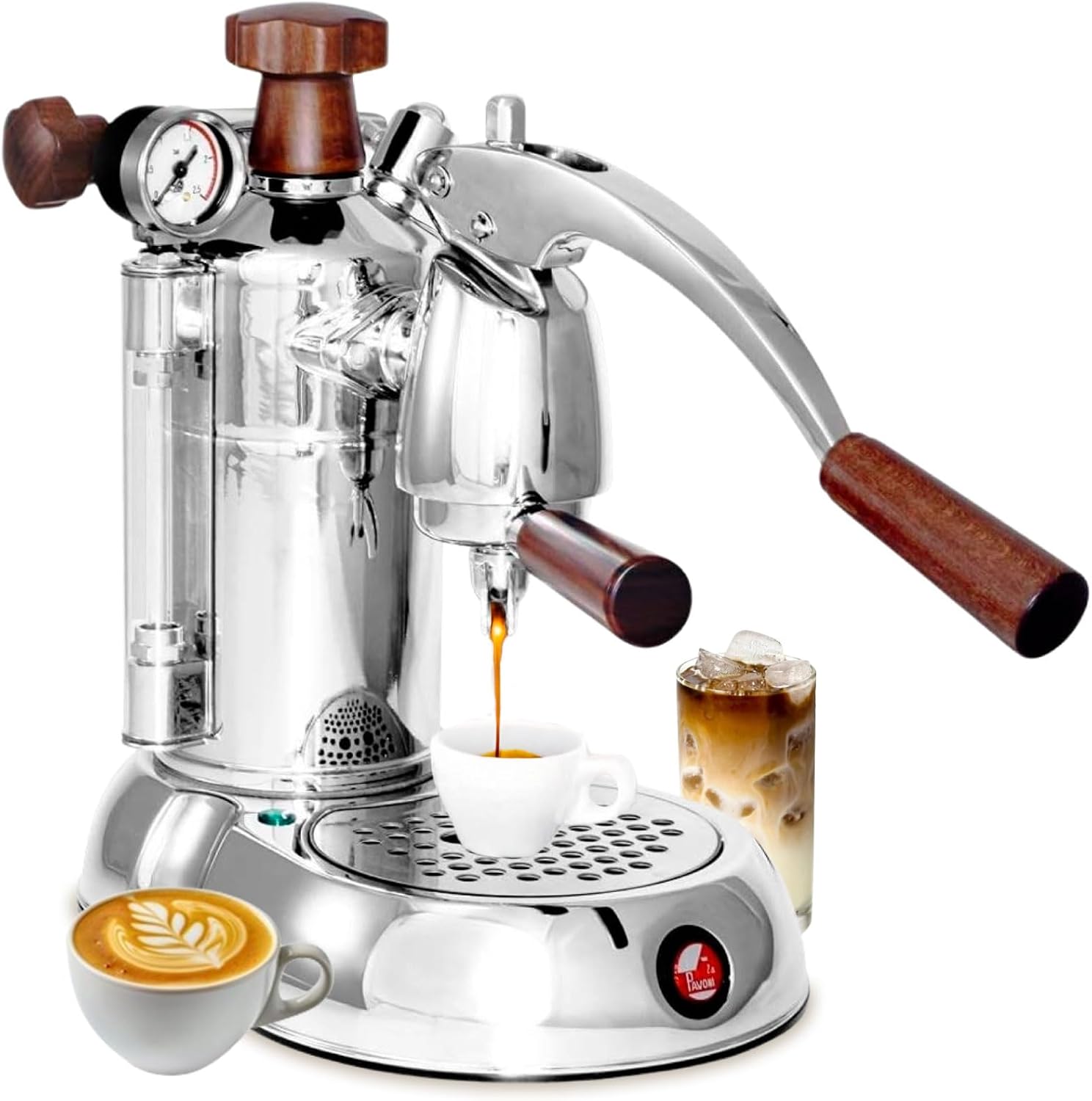
Home baristas pulling shots on machines like the Ninja Luxe Cafe Premier 3-in-1 or the Philips 4400 Series depend on the scale to confirm yield, because the machines themselves measure by volume or time rather than mass. A miscalibrated scale silently undermines every brew-ratio experiment you run.
What You Need Before You Calibrate
- A certified 100g calibration weight — Class M1 or F2 stainless steel is ideal. Avoid coins, batteries, or kitchen objects; their nominal weights are not precise enough.
- A clean, level surface — a stone countertop is best. Avoid wobbly wooden tables or the drip tray itself.
- A fully charged Pyxis — calibration on low battery can produce inconsistent results.
- A dry, room-temperature scale — let the scale sit for 10 minutes after any contact with hot portafilters or steam.
- The Acaia Updater or Coffee app (optional) — useful for confirming firmware version before you begin.
Step-by-Step: Calibrate Acaia Pyxis Scale Espresso and Pour Over Modes
Step 1: Enter the Hidden Calibration Menu
With the Pyxis powered off, press and hold the power (T) button for roughly 8 seconds until you see the boot screen showing firmware version. Release the button. Within two seconds, tap the timer button four times in quick succession. The display will cycle through service screens — keep tapping until you see "CAL" or "CAL 100".
Step 2: Zero the Empty Platform
With nothing on the platform, press the tare button. The display should read 0.0g and remain steady. If it drifts, wait 30 seconds and re-tare. A wandering zero before you place the weight means you'll bake that error into the span calibration.
Step 3: Place the 100g Reference Weight
Set your calibration weight gently in the center of the platform. The Pyxis will count down (typically 3–5 seconds) while it averages the reading. You'll see "PASS" or the actual measured value confirm success. If it shows "FAIL" or a wildly off number, remove the weight, re-tare, and try again — make sure no airflow from an HVAC vent is hitting the scale.
Step 4: Remove the Weight and Exit
Lift the weight straight up. The display returns to 0.0g. Press and hold the power button to exit calibration mode. The scale reboots into normal weighing mode with the new calibration saved to flash memory.
Step 5: Switch Between Espresso and Pour Over Modes
Press the mode button (the one with the cup icon) to cycle through Pyxis modes: Weighing, Espresso (auto-tare + auto-start timer), Dual Display (espresso with flow rate), and Pour Over (manual timer with real-time flow rate in g/s). The calibration you just performed applies to all modes simultaneously — there is no separate espresso vs. pour over calibration to run.
Step 6: Verify with a Second Weight
Place a different known weight — 50g or 200g — and confirm the reading is within ±0.1g. This catches linearity errors that a single-point calibration can miss.
Espresso Mode Setup After Calibration
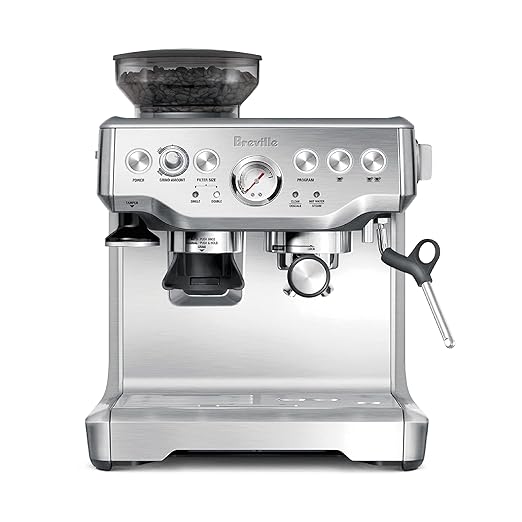
Once calibrated, put the Pyxis on the drip tray with your cup on top, place the portafilter in the group head, and press mode until "Espresso" appears. The scale auto-tares when it detects the cup weight stabilizing, then auto-starts the timer the instant it detects flow. This is the workflow that pairs cleanly with prosumer machines like the Breville Barista Express BES870XL, where you control shot length manually and need real-time mass feedback.
For super-automatics like the Philips 4400 Series, the scale becomes a verification tool — you let the machine pour its programmed volume and use the Pyxis to back-calculate the actual ratio so you can adjust grind size on the integrated grinder.
Pour Over Mode Setup After Calibration
Press mode until "Pour Over" appears. Place your dripper and server on the platform, tare, add your dose of grounds, tare again, and start pouring. The Pyxis displays total water added plus instantaneous flow rate in g/s — typically you want 2–4 g/s during bloom and 4–6 g/s during the main pour for a V60. The flow-rate display only updates correctly when calibration is fresh; a drifted scale produces jumpy flow readings even with a smooth pour.
Espresso Machine Compatibility for Pyxis Workflows
Not every espresso machine plays nicely with an under-cup scale. The Pyxis is 159mm wide and 25mm tall, so drip-tray clearance matters. Here's how popular 2026 home machines stack up:
| Machine | Drip-Tray Clearance | Built-In Scale | Best Pyxis Use Case |
|---|---|---|---|
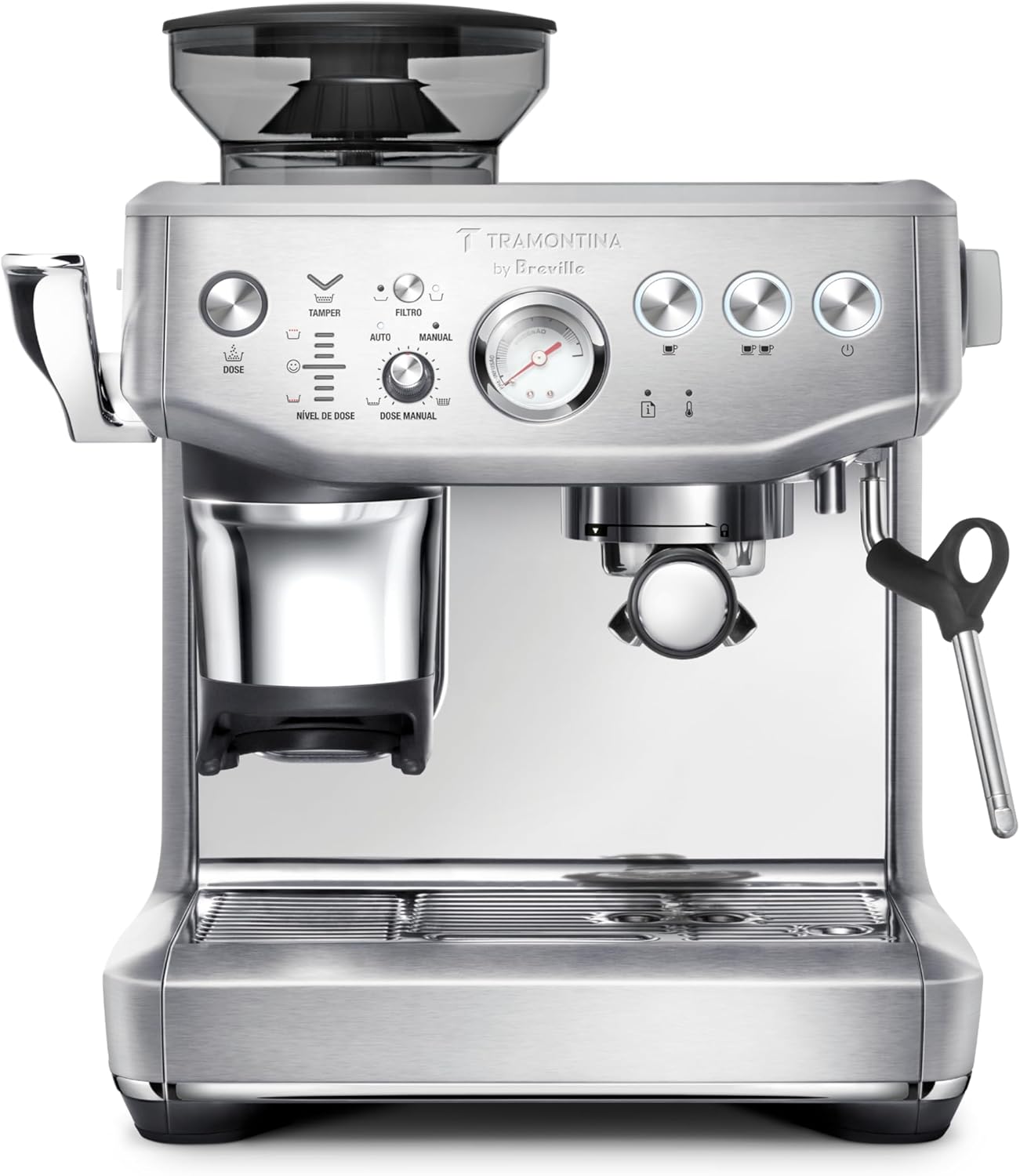
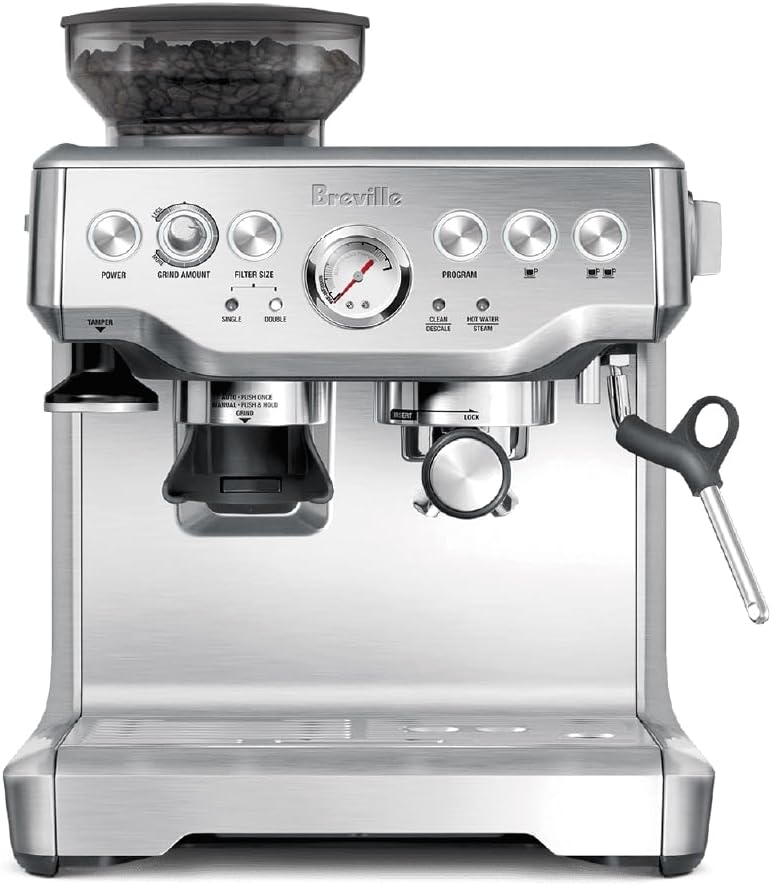
| Breville Barista Express BES870XL | ~75mm (fits with tray removed) | No | Full auto-tare espresso mode |
| Ninja Luxe Cafe Premier 3-in-1 | ~70mm | Yes (basic) | Verification & pour-over double duty |
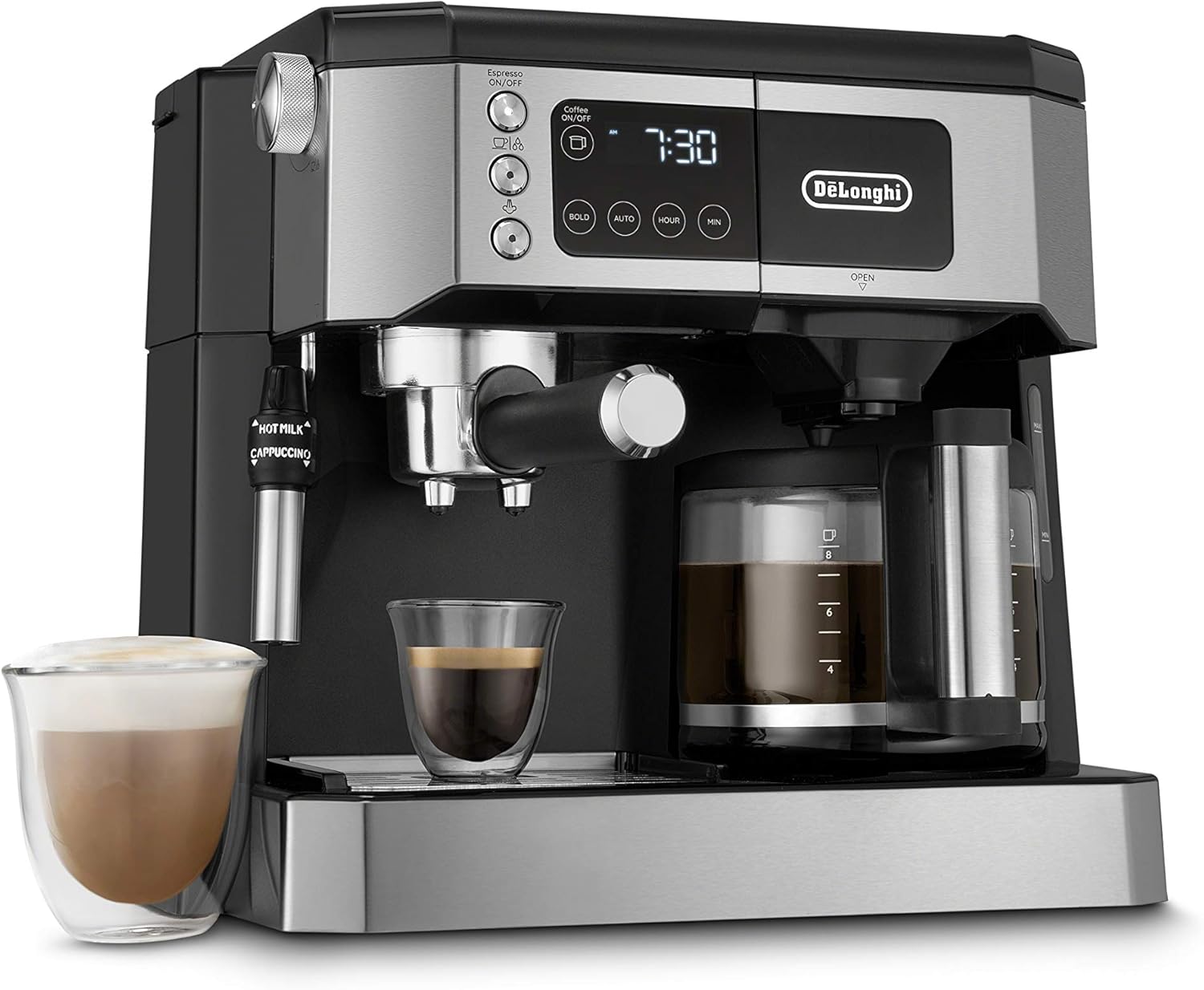
| Philips 4400 Series | ~80mm | No (volumetric) | Ratio verification post-shot |
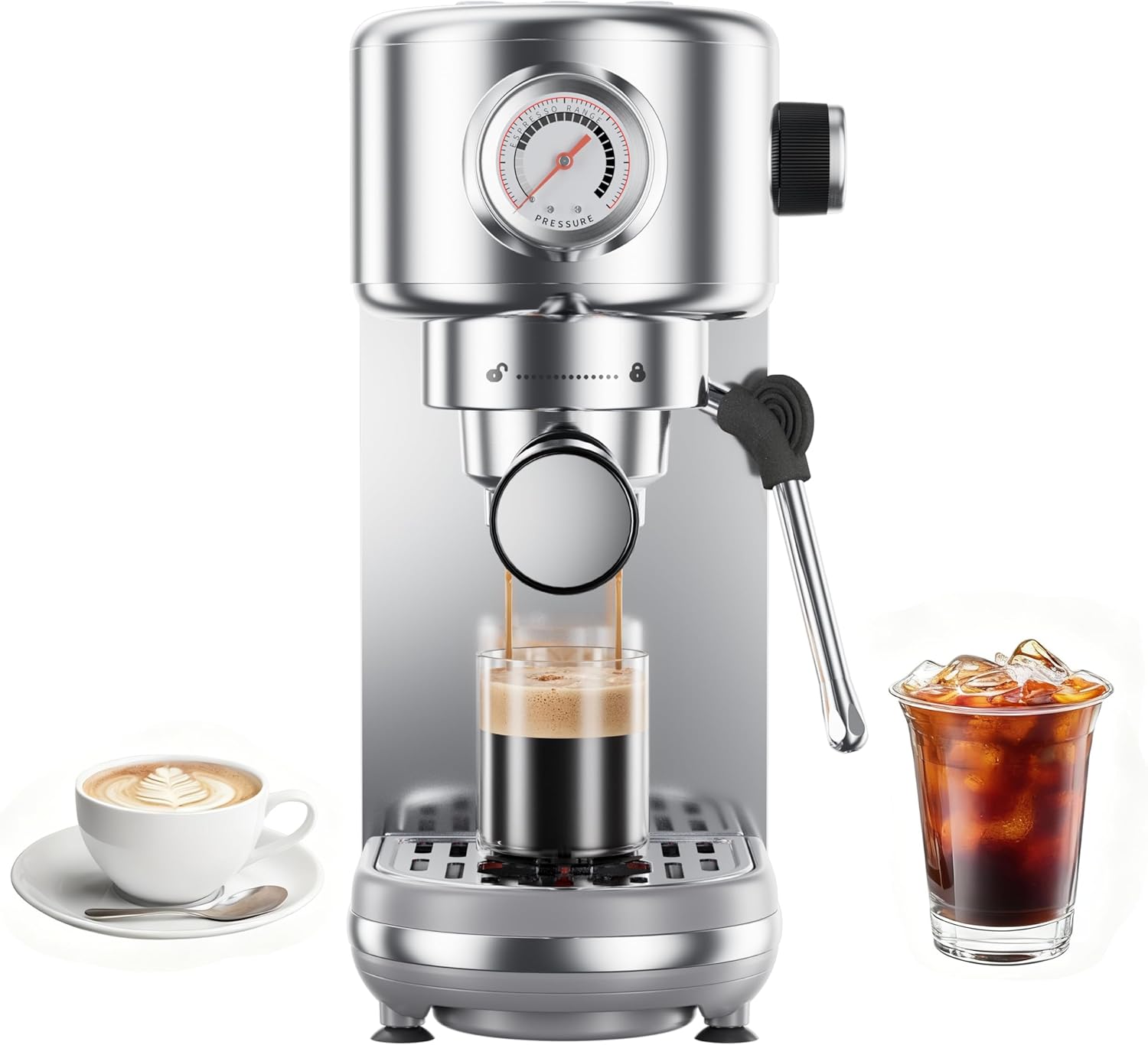
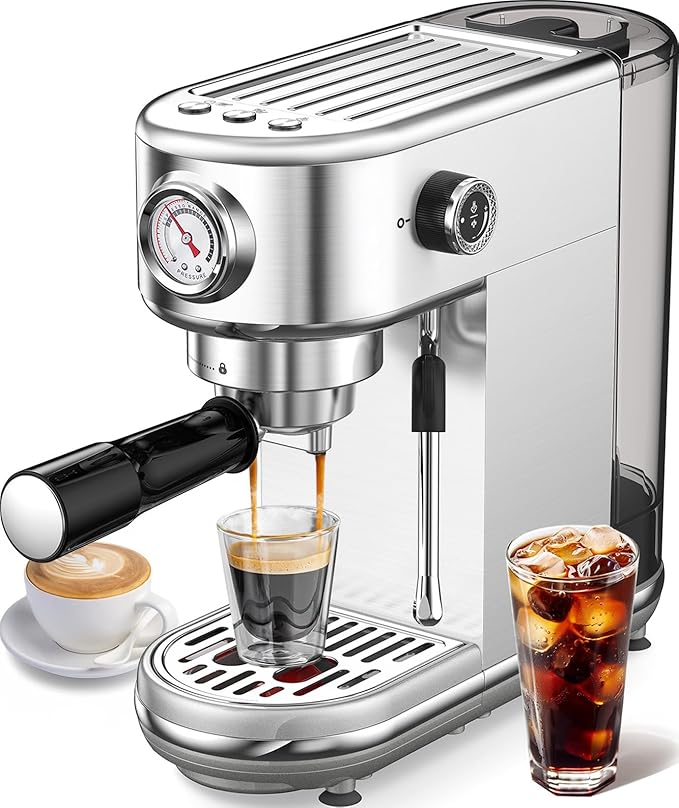
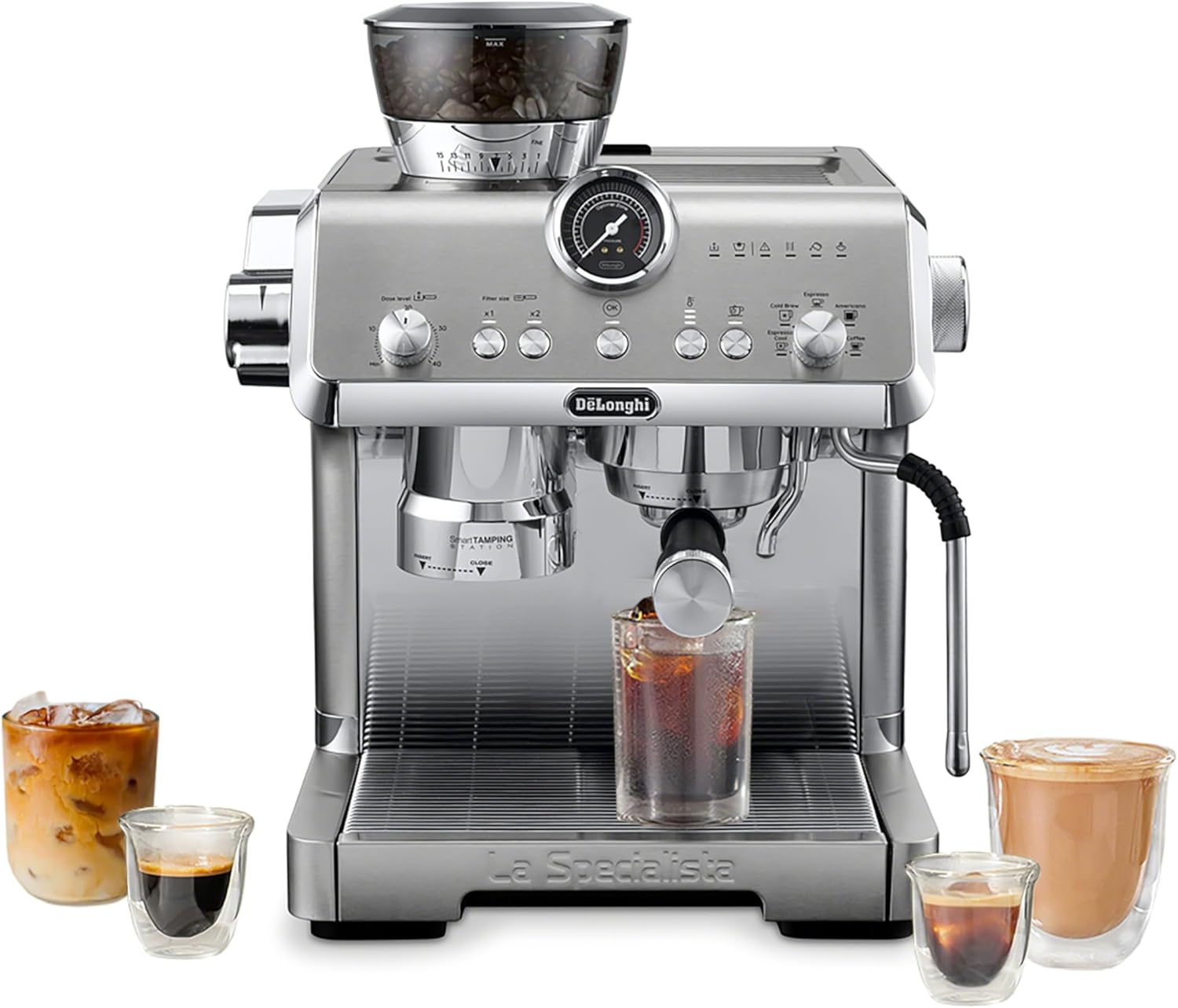
| atatix 20 Bar Espresso Machine | ~65mm | No | Place beside, transfer cup |
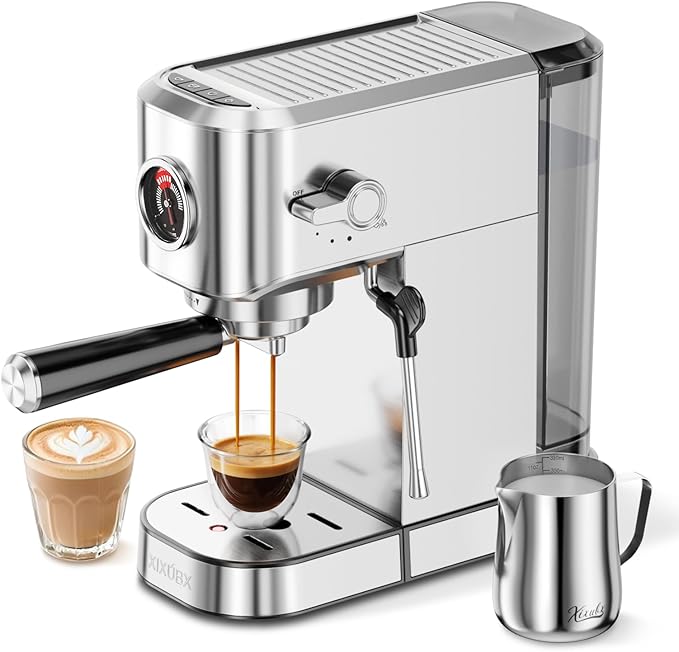
| XIXUBX 20 Bar Compact | ~60mm | No | Place beside, transfer cup |
Top Machines That Pair Well With a Freshly Calibrated Pyxis
Breville Barista Express BES870XL — Best All-Around Pairing
The Barista Express is the canonical home espresso machine for scale-driven workflows. Its 54mm portafilter and removable drip tray clear the Pyxis easily, and manual shot control means every gram the scale reports translates directly into a brewing decision. The integrated conical burr grinder lets you adjust grind in 16 steps based on what the Pyxis tells you about yield and time. Check current price on Amazon.
Ninja Luxe Cafe Premier 3-in-1 — Best For Dual Espresso/Pour-Over Homes
If you split time between espresso and drip coffee, the Luxe Cafe's built-in pour-over function complements the Pyxis Pour Over mode nicely. Use the Pyxis to characterize the Ninja's pour profile, then replicate that flow rate manually on a V60 when you want a different bean. Check current price on Amazon.
Philips 4400 Series — Best Hands-Off Verification Setup
Super-automatics aren't typically associated with scale culture, but if you want to verify and dial in the LatteGo system or measure dose consistency from the grinder, dropping the Pyxis under the spout once a week catches drift early. Check current price on Amazon.
atatix 20 Bar Espresso Machine — Best Budget Companion
For first-time home baristas pairing a Pyxis with their starter machine, the atatix offers a steam wand and pressurized portafilter at an entry-level price. You'll likely outgrow it before the Pyxis, but it's a practical proving ground. Check current price on Amazon.
XIXUBX 20 Bar Compact Stainless Steel — Best Small-Counter Option
If counter real estate is tight and the Pyxis needs to live outside the machine footprint, the XIXUBX's compact stainless build keeps the kitchen footprint small. Check current price on Amazon.
Troubleshooting Pyxis Calibration Issues
"FAIL" appears after placing the weight: Your weight may be off-center, the scale is on an uneven surface, or there's vibration nearby. Move to a stone counter, away from your espresso machine while it's pumping.
Calibration menu won't appear: Firmware below v2.0 has a different button sequence. Update via the Acaia Updater app first.
Readings drift after calibration: The load cell may be temperature-stressed. Let the Pyxis sit at room temp for 30 minutes and re-zero. If drift persists, the load cell may be damaged — contact Acaia support.
Espresso mode auto-start doesn't trigger: The flow detection threshold expects 0.3g/s minimum. Pressurized baskets on entry-level machines sometimes produce slower initial flow. Switch to Weighing mode and start the timer manually.
For more on dialing in extraction once your scale is honest, see our guides on espresso grind-size troubleshooting and pour-over brew ratio fundamentals. If you're still shopping for the right grinder to match your scale, check our best home burr grinders of 2026 roundup.
How Often Should You Recalibrate?
For daily home use, every 3 months is a reasonable cadence. Recalibrate immediately if: you've dropped the scale, completed a firmware update, moved homes, or notice flow-rate readings looking jittery. Cafe-volume users should recalibrate monthly. The process takes under two minutes once you've done it once, so erring on the side of more frequent calibration costs you nothing.
Frequently Asked Questions
Can I calibrate the Acaia Pyxis without a 100g weight?
Technically yes — the scale accepts any known reference between 50g and 1000g, but 100g is the documented default and produces the most accurate single-point calibration. A new, unopened roll of US nickels weighs approximately 200g and can work in a pinch, but a certified Class M1 calibration weight (under $15 on Amazon) is the right long-term tool.
Does the Pyxis need separate calibration for espresso and pour over modes?
No. Calibration acts on the load cell itself, not on a specific mode. Once calibrated, the same span and zero values apply whether you're in Espresso, Pour Over, Dual Display, or basic Weighing mode. The modes differ only in display behavior and timer logic.
How do I switch between espresso and pour over modes on the Pyxis?
Press the mode button (cup icon) repeatedly. The cycle is: Weighing Espresso Dual Display Pour Over back to Weighing. The current mode is shown as an icon in the top corner of the display.
Why does my Pyxis read differently after I steam milk nearby?
Steam wand condensation and ambient temperature spikes can cause the load cell to read 0.2–0.5g high until it stabilizes. Wipe down the scale, give it 5 minutes away from steam, and re-tare. Persistent post-steam drift is a sign the scale's silicone gasket may be letting moisture into the load cell housing.
Is the Acaia Pyxis accurate enough for 1:2 espresso ratios?
Yes. At ±0.1g resolution and ±0.1g accuracy across the typical 0–100g espresso shot range, the Pyxis resolves brew ratios to better than 0.5% — well below the threshold of taste-detectable error. This assumes a recent calibration, which is why the procedure above matters.
Can I use Pyxis Espresso mode with a super-automatic like the Philips 4400?
You can, but the auto-start won't always trigger because super-automatic machines often produce a slow initial drip below the Pyxis's flow-detection threshold. Use Weighing mode, tare your cup, and read the final mass after the shot completes. Then divide by your known dose to get the actual ratio.
What's the difference between Acaia Pyxis and Lunar calibration?
The procedures are nearly identical, but the Lunar has a heat-resistant body designed for direct drip-tray placement and uses a slightly different button sequence (three timer taps instead of four). Both use 100g reference weights and share the same load-cell architecture. If you're upgrading from a Lunar to a Pyxis or vice versa, the calibration knowledge transfers cleanly.
Final Thoughts
A scale is only as useful as its last calibration. Spend the two minutes every quarter to confirm your Pyxis is reading true, and every shot, pour, and ratio experiment you run downstream gets more meaningful. Pair the calibrated scale with a capable machine — the Breville Barista Express remains the home-barista benchmark in 2026 — and the gap between your cup and a cafe's narrows significantly.
Key Takeaways
- Choosing the right calibrate acaia pyxis scale espresso and pour over means matching capacity and output ports to your actual devices
- Always check actual watt-hours (Wh), not just watts — runtime depends on Wh, not peak output
- Also covers: acaia pyxis calibration weight
- Also covers: pyxis scale espresso mode setup
- Also covers: acaia pyxis pour over mode
- Compare price-per-Wh across models to find the best value for your budget