If you are eyeing the profitec go upgrade from gaggia classic as your first real E61 machine in 2026, the short answer is yes: the Profitec Go is one of the most forgiving, best-built single-boiler entry points into the E61 world, and it directly solves the temperature stability, steam power, and longevity complaints that push Gaggia Classic owners to upgrade. You keep the manual workflow you already love, gain a commercial group head, get a real rotary PID, and inherit a stainless chassis that should outlive every plastic part on your old machine. Below, I walk through exactly what changes, what stays the same, and what you should buy alongside it.
Why the Profitec Go Is the Logical Next Step After a Gaggia Classic
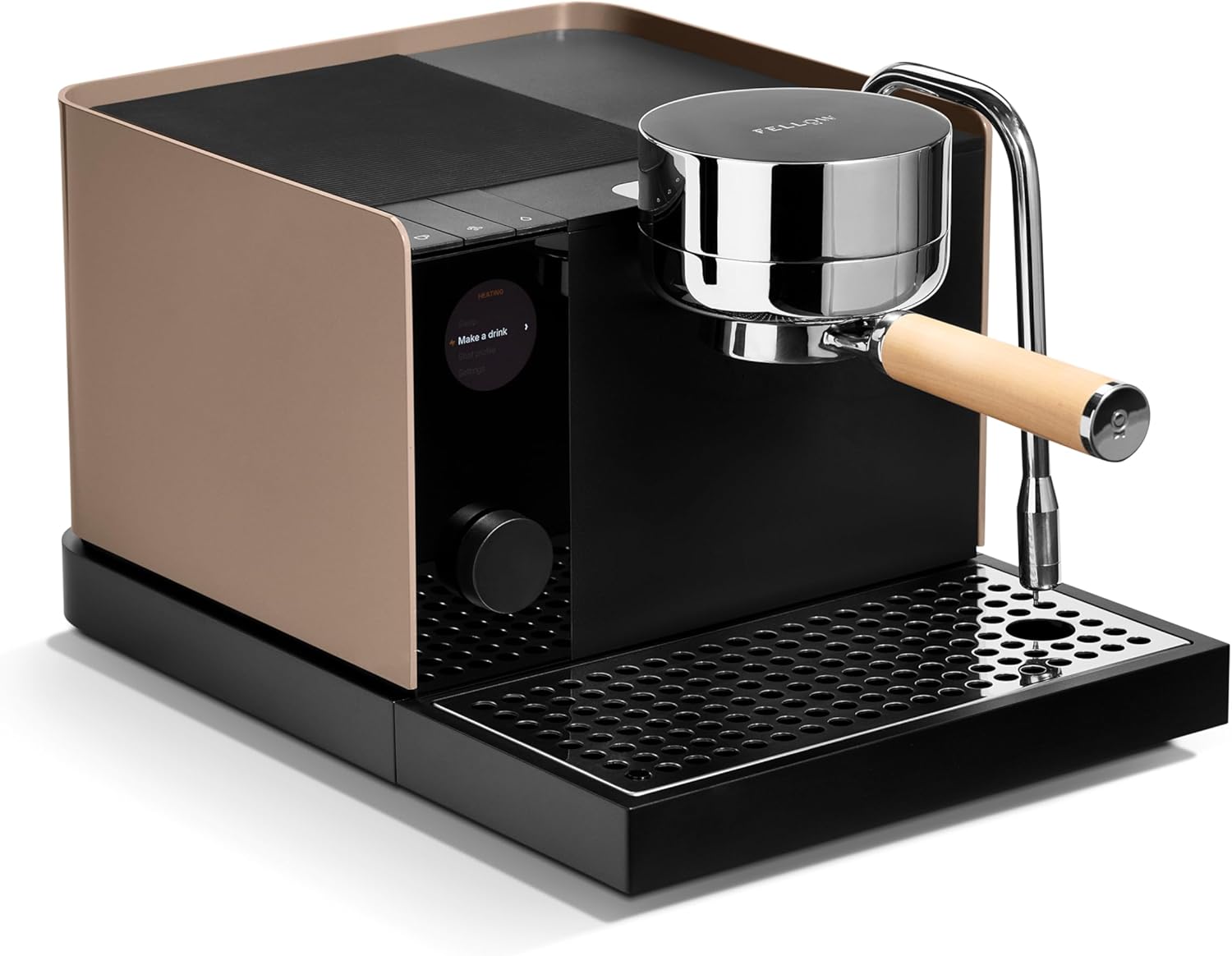
The Gaggia Classic Pro is a brilliant starter. It teaches you grind, dose, distribution, tamp, and timing. But after a year or two, most owners hit the same three walls: the thermoblock-style aluminum boiler swings temperature, the panarello (or even modded steam tip) struggles with anything past 6 oz of milk, and the pressurized vs. non-pressurized basket debate becomes a daily annoyance. The Profitec Go was designed almost surgically for this customer. It uses a full E61 group head (the same heated, thermosiphon-circulated brass group found in $3,000 machines), a 0.5L brass boiler, a vibratory pump tuned with an OPV preset to 9 bar, and a digital PID you actually control to the degree.
The practical result: shot-to-shot temperature variance drops from the Classic's typical ±3–4°C swing to roughly ±0.5°C once warmed up. That is the single biggest reason your light-roast Ethiopians taste muddy on the Gaggia and suddenly bloom with clarity on the Go. For anyone reading specs, you can read more about why this matters in our E61 group head explained primer.
What Actually Changes Day-to-Day
The workflow is shockingly similar, which is the whole point. You still grind, dose 18 g into a 58 mm portafilter (the Gaggia is 58 mm too, so your tamper carries over), distribute, tamp, lock in, and pull. What changes:
- Warm-up: 20–25 minutes versus the Gaggia's 8–10. The E61 group is a heat battery; it needs the time.
- Pre-infusion: The E61 mushroom gives you a gentle, gravity-fed pre-infusion ramp that the Gaggia simply cannot do without aftermarket mods.
- Steam: Real dry steam. You will overshoot your first three milk jugs because the power is roughly double.
- Backflushing: You now have a three-way solenoid that lets you backflush with detergent weekly — non-negotiable for E61 longevity.
- Descaling: Brass boiler means you should use bottled or remineralized RO water from day one.
Profitec Go vs. Gaggia Classic Pro: Direct Comparison
| Spec | Gaggia Classic Pro | Profitec Go |
|---|---|---|
| Group head | Aluminum, proprietary | Commercial E61 brass |
| Boiler | Aluminum, ~100 mL | Brass, 0.5 L |
| Temperature control | Bimetal thermostat (PID aftermarket) | Built-in digital PID, 1°C steps |
| Pre-infusion | None (mod required) | Passive E61 mushroom |
| Steam pressure | ~1.0 bar | ~1.3–1.5 bar |
| Portafilter | 58 mm | 58 mm (your accessories carry over) |
| Three-way solenoid | Yes | Yes |
| Warm-up | ~10 minutes | ~25 minutes |
| Chassis | Stainless front, plastic sides | Full stainless |
| Expected service life | 5–10 years | 15–25 years (E61 parts are universal) |
The Honest Caveats Before You Pull the Trigger
Three things trip up first-time E61 buyers, and you should know them now.
1. The Go is still a single boiler. You cannot pull a shot and steam simultaneously. You pull, flush, switch to steam, wait ~90 seconds for the boiler to climb, then steam. If back-to-back lattes for four people are your weekend reality, look at the Profitec Pro 300 (dual boiler) instead.
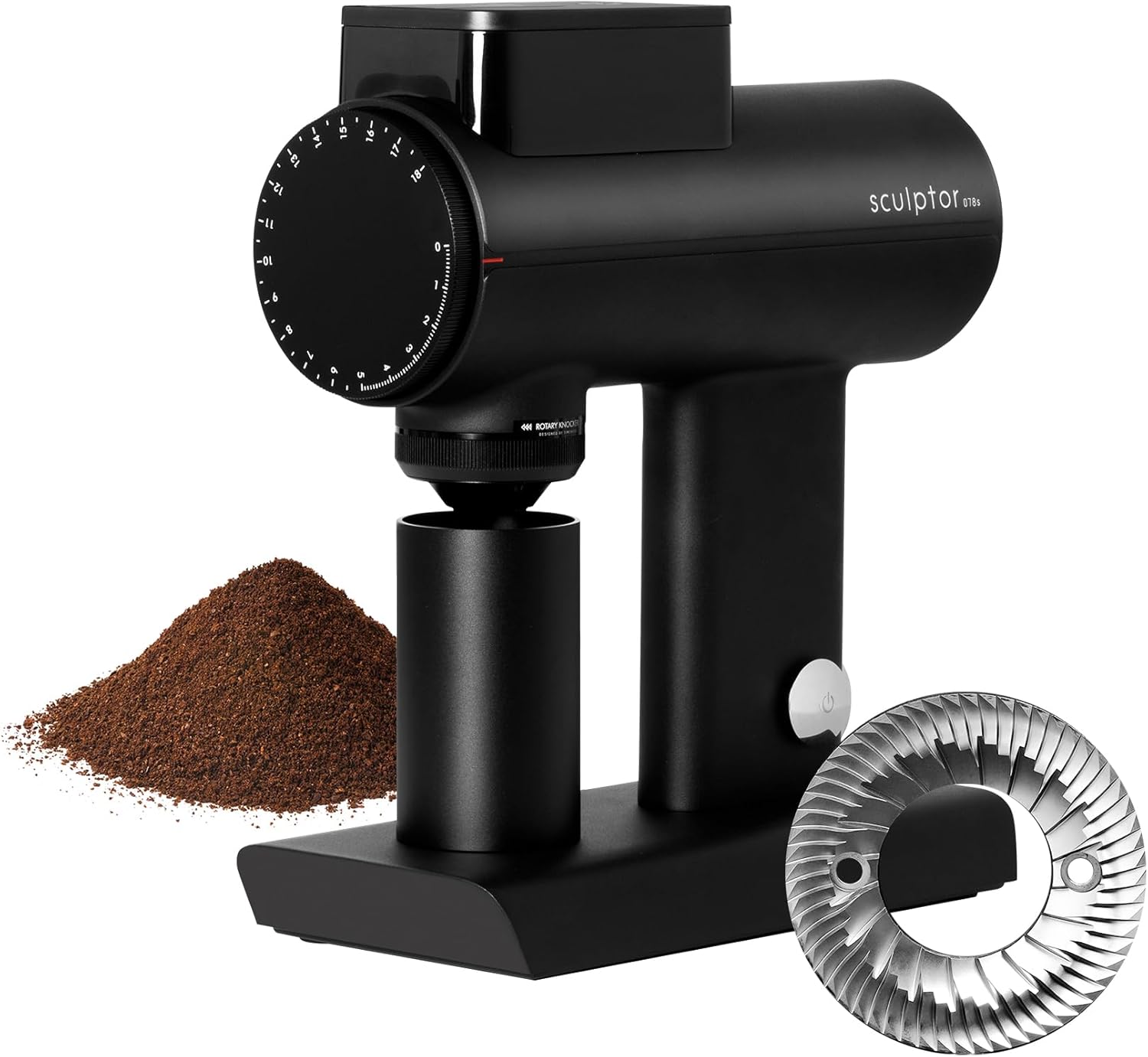
2. You will outgrow your grinder before the machine. If you have been getting away with a Baratza Encore or a hand grinder on the Gaggia, the Go will expose it instantly. The E61 group is far more revealing of grind distribution. Budget at least $400–$700 for a proper flat-burr electric grinder (Eureka Mignon Specialita, DF64, or Niche Zero) as part of this upgrade. We cover the math in our home espresso grinder guide.
3. Warm-up matters more than you think. Many bad reviews of the Go come from people pulling a shot at the 10-minute mark. The mass of brass in an E61 needs the full 25 minutes, or better, a smart plug on a timer.
If You Are Not Quite Ready Yet: A Reasonable Stepping Stone
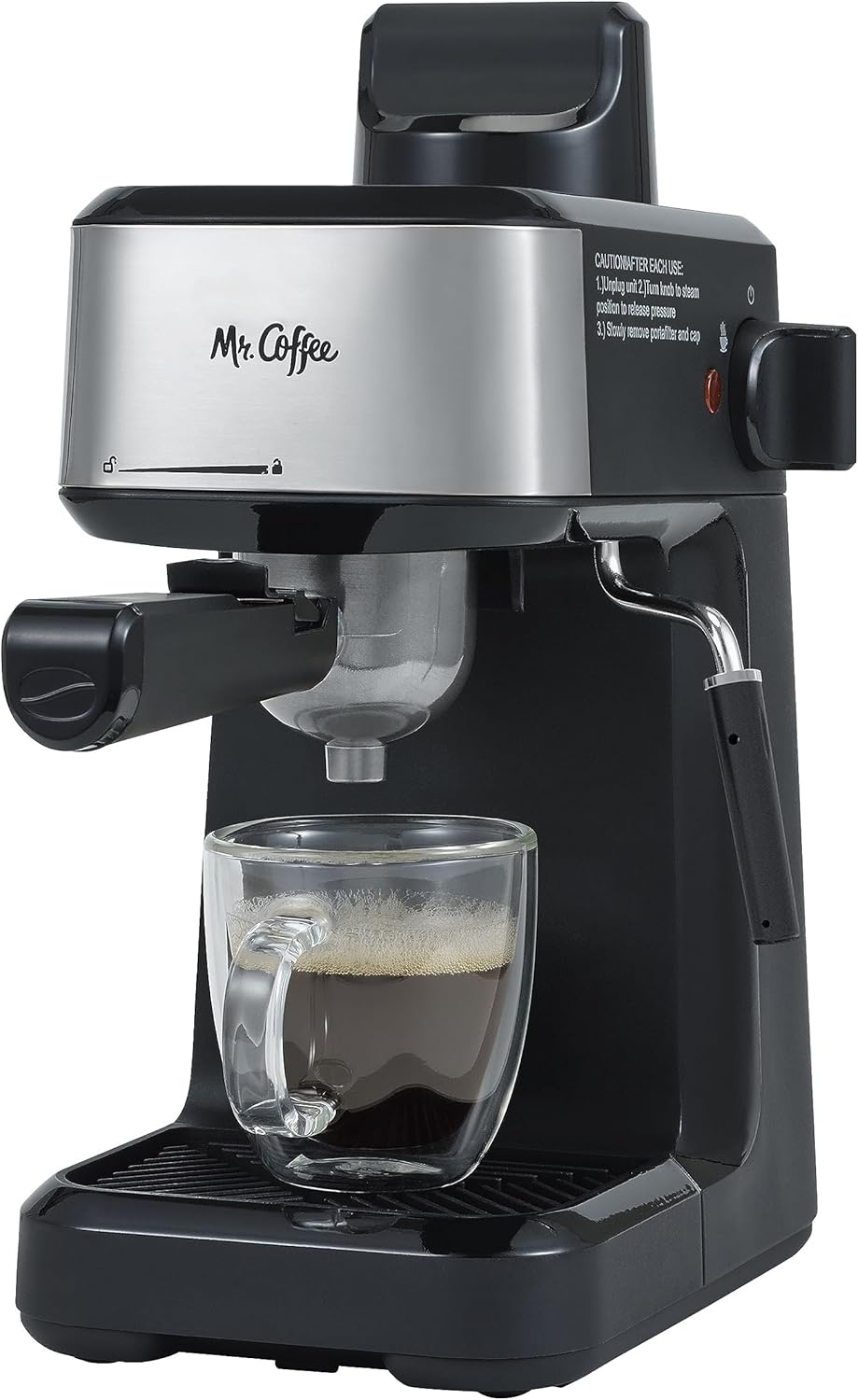
Not everyone is psychologically (or budgetarily) ready to jump from a $450 Gaggia to a $1,300+ Profitec. If you want to keep practicing fundamentals on something more capable than the Classic but cheaper than the Go, there is exactly one machine in the listed gear that fits the brief honestly.
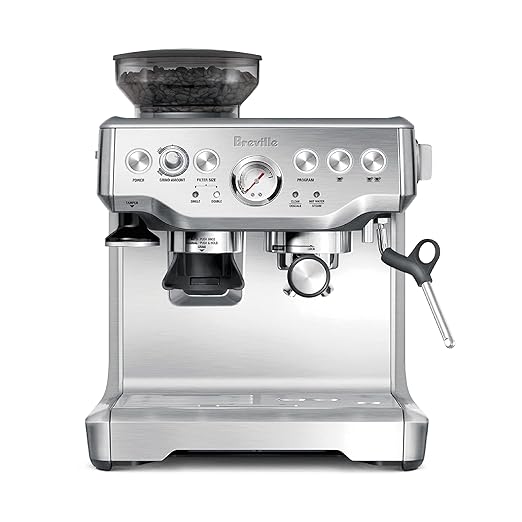
Breville Barista Express BES870XL — The Intermediate Hold-Over
The Barista Express is not an E61 machine, and it never will be. But it has a built-in conical burr grinder, a 15-bar thermocoil with PID-ish thermistor control, and a pressurized basket option that lets you keep making drinkable espresso while you save for the Profitec Go. For households where one partner wants the upgrade and the other thinks the Gaggia is fine, the Barista Express is a peace-treaty machine that holds its resale value well. Check current pricing: Breville Barista Express BES870XL on Amazon.
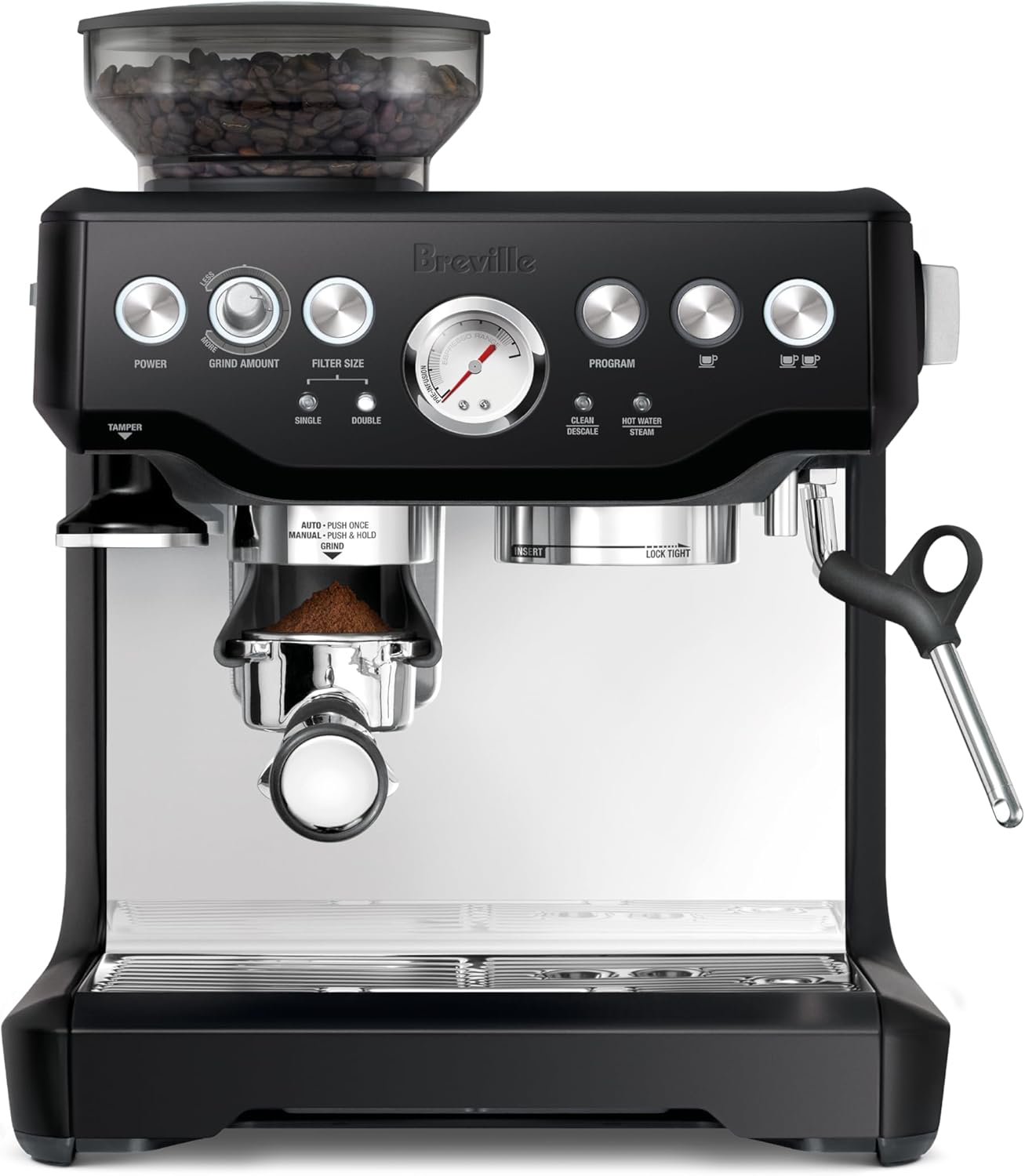
To be clear, though: if your goal is a real profitec go upgrade from gaggia classic, do not buy the Barista Express. Skip the lateral move. The whole point of going E61 is to stop replacing machines every three years.
What to Buy With the Profitec Go
You will need or want these by week two:
- A real grinder — flat-burr, single dose if possible. Budget $500+.
- A bottomless (naked) portafilter — to diagnose distribution problems the E61 will now reveal.
- A precision basket — IMS or VST 18 g.
- WDT tool and a needle distributor — channeling becomes visible.
- A 350 mL or 600 mL steaming pitcher — your old 12 oz cheap one will not handle the steam power.
- Cafiza powder and a blind basket — weekly backflush is mandatory.
- A TDS/water test strip kit — protect the brass boiler.
What About Super-Automatics Like the Philips 4400 or Ninja Luxe?
You will see Profitec Go comparisons online against bean-to-cup super-automatics. They are different categories entirely. If you have decided the Gaggia taught you that you actually hate the manual workflow and just want good coffee with one button, a super-automatic is the move and you should not buy the Profitec Go at all. If you loved the Gaggia process and only want to be better at it, the Go is correct and a super-automatic would feel like a downgrade in control.
For a deeper breakdown of that fork in the road, see our manual vs. super-automatic espresso guide.
Total Cost of the Real Upgrade
Be honest with yourself about the full ticket:
- Profitec Go: ~$1,299
- Proper grinder (Eureka Specialita or DF64): $500–$700
- Accessories (baskets, WDT, pitcher, naked PF, scale): ~$200
- Water filtration / bottled mineral water (annual): ~$100
Realistic all-in: $2,100–$2,300 in year one. That is the honest price of the profitec go upgrade from gaggia classic. The good news: barring user error, this is the last espresso setup most home baristas ever buy. E61 parts are universal, gaskets are $3, and rebuilds are a YouTube afternoon.
Who Should Skip the Profitec Go
Buy something else if:
- You pull more than 6 milk drinks back-to-back regularly — go dual boiler (Profitec Pro 300, Lelit Mara X, ECM Synchronika).
- You want flow control on day one — the Go does not have a paddle; look at the Lelit Bianca V3.
- You are not willing to wait 20+ minutes for warm-up — go HX or dual boiler with a smart plug.
- You secretly want push-button coffee — see super-automatics.
Frequently Asked Questions
Is the Profitec Go worth it over a PID-modded Gaggia Classic Pro?
Yes, and it is not close. A PID mod on the Gaggia fixes one variable (brew temperature stability) but cannot give you a real E61 group, proper pre-infusion, dry steam, or a brass boiler. You are spending ~$100 to bandage a $450 machine. The Go solves all four limitations structurally and will still be running in 2046.
Will my 58 mm Gaggia tamper, baskets, and portafilter fit the Profitec Go?
Your tamper, yes — 58 mm is 58 mm. Your Gaggia portafilter will not fit the E61 group (different ear geometry), but the Profitec ships with a quality double-spout portafilter, and any standard E61 bottomless aftermarket portafilter (MHW-3Bomber, IMS, etc.) drops right in. Your VST or IMS precision baskets transfer perfectly.
How long should the Profitec Go realistically last?
With monthly backflushing, annual descaling using soft or remineralized water, and gasket replacement every 12–18 months, 15–25 years is realistic. Every wear part — group gasket, shower screen, OPV, pump, solenoid — is a universal E61 component available from dozens of suppliers, so the machine is functionally rebuildable forever.
Do I need a new grinder when I upgrade from Gaggia Classic to Profitec Go?
If you are still on a Baratza Encore, DF54, or hand grinder, yes. The E61 group reveals grind inconsistency the Gaggia hides under its pressurized basket forgiveness. Plan on a flat-burr electric in the $500–$900 range — Eureka Mignon Specialita, DF64 Gen 2, or Niche Zero are the safe defaults in 2026.
Can the Profitec Go steam milk as well as a dual boiler?
For 1–2 drinks at a time, yes — the dry steam from the 0.5 L brass boiler produces excellent microfoam. The limitation is sequential, not qualitative: you have to wait ~90 seconds between brewing and steaming for the boiler to climb. If you regularly pull 4+ back-to-back milk drinks, step up to a dual boiler like the Profitec Pro 300 instead.
What water should I use in the Profitec Go to protect the brass boiler?
Aim for ~75 ppm total hardness with ~40 ppm bicarbonate. The cheapest path in 2026 is third-wave or Lotus drops mixed into distilled or RO water. Tap water is a gamble; if you must use it, fit an inline cartridge. Never run plain distilled — the boiler will not register the heating element load correctly and the water will taste flat.
Is the Profitec Go quieter than the Gaggia Classic Pro?
No, and anyone telling you otherwise is exaggerating. Both use vibratory pumps and are in the same loudness ballpark. The Go is slightly less rattly because of the heavier chassis dampening, but you will not impress anyone. If silence matters, you need a rotary pump machine, which means jumping another price tier entirely.
Should I just skip the Profitec Go and go straight to a dual boiler?
If your budget supports it and you regularly make milk drinks for multiple people, yes — the Lelit Mara X or Profitec Pro 300 are the natural next rungs. But for solo drinkers or couples who pull 1–3 shots a session, the Go's single-boiler simplicity is a feature, not a compromise: fewer parts, lower power draw, faster descale, and you still get the full E61 experience.
Key Takeaways
- Choosing the right profitec go upgrade from gaggia classic means matching capacity and output ports to your actual devices
- Always check actual watt-hours (Wh), not just watts — runtime depends on Wh, not peak output
- Also covers: profitec go vs gaggia classic pro
- Also covers: is profitec go worth it for beginners
- Also covers: profitec go single boiler review
- Compare price-per-Wh across models to find the best value for your budget