The Mahlkonig E65S GBW for weighed dose home setups is the rare commercial grind-by-weight grinder that actually fits a residential kitchen. With a 14.3-inch depth, integrated load-cell scale accurate to roughly ±0.1g, and a 65mm flat burr set, it gives weighed-dose obsessives a single-dose-friendly workflow without the bench-eating footprint of a Mythos or EK43. If you live with shallow counters under standard 18-inch upper cabinets and refuse to scoop, scrape, or eyeball doses, this is the grinder that finally lets you stop apologizing for your kitchen.
Below we cover what makes the E65S GBW work for compact home setups, what counter clearances you actually need, which espresso machines pair sensibly with a grind-by-weight workflow at different budgets, and the maintenance realities of running a commercial-grade grinder at three doses a day.
Why the E65S GBW Suits Shallow-Counter Home Baristas
The E65S GBW was engineered for specialty cafes that grind to order on a scale, but its dimensions are unusually polite for a 65mm commercial flat-burr machine. At roughly 8.3 inches wide, 14.3 inches deep, and 17.5 inches tall, it slides under standard upper cabinets with about half an inch to spare. Compare that to the Mythos MY85 (16.5 inches deep, 23 inches tall) or an EK43 (over 23 inches deep with a long chute), both of which simply will not fit in a typical North American kitchen run with 25-inch counters and 18-inch upper clearance.
The grind-by-weight system uses a load cell under the portafilter fork. You dial in a target dose — say 18.0g for a VST 18 basket — and the grinder runs until the scale reads target, then stops. Drift is small enough that most home users see ±0.1 to ±0.2g shot-to-shot, which is better than most baristas can hit by hand with a separate scale. For the Mahlkonig E65S GBW for weighed dose home setups, this is the whole point: the grinder owns the dose, you own the puck prep.
Counter and Cabinet Clearances You Actually Need
Before you order, measure three things:
- Depth from wall to counter edge: you need at least 15 inches to leave breathing room behind the bean hopper and ventilation behind the burr motor.
- Vertical clearance from counter to upper cabinet: the unit is 17.5 inches tall with the standard short hopper; if you use the single-dose top, you can drop closer to 16 inches.
- Workflow clearance to the left: the portafilter fork sits centered, so you need at least 6 inches of swing room to rotate a 58mm portafilter on and off without banging the espresso machine.
One common mistake: people forget that a dosing cup or naked portafilter needs vertical clearance below the chute. The E65S GBW gives you roughly 4.5 inches between fork and chute, which fits most bottomless portafilters and 70ml dosing cups, but anything taller will not clear.
Pairing Espresso Machines with a Grind-by-Weight Workflow
Honest disclosure: a $3,000+ grinder paired with a $300 espresso machine is unbalanced, but plenty of home baristas grow into the gear gradually — grinder first, then machine. The picks below cover three realistic paths: an entry machine you keep for steaming while you save for a prosumer dual-boiler, a super-automatic as a secondary "quick coffee" station, and a popular intermediate that handles the workflow without choking on weighed doses.
Comparison: Companion Espresso Machines for the E65S GBW
| Machine | Boiler Type | Portafilter | Counter Depth | Best Role |
|---|---|---|---|---|
| Breville Barista Express BES870XL | Single thermoblock | 54mm | 13.2 in | Transitional milk drinks |
| Ninja Luxe Cafe Premier | Thermojet | 54mm portafilter | 15 in | Auto-tamp backup station |
| Philips 4400 Series | Sealed boiler (super-auto) | N/A (internal) | 17 in | Quick milk drinks for guests |
| atatix 20 Bar | Thermoblock | 51mm | 11 in | Travel / dorm spare |
| XIXUBX 20 Bar Compact | Thermoblock | 51mm | 10.5 in | Camper / RV use |
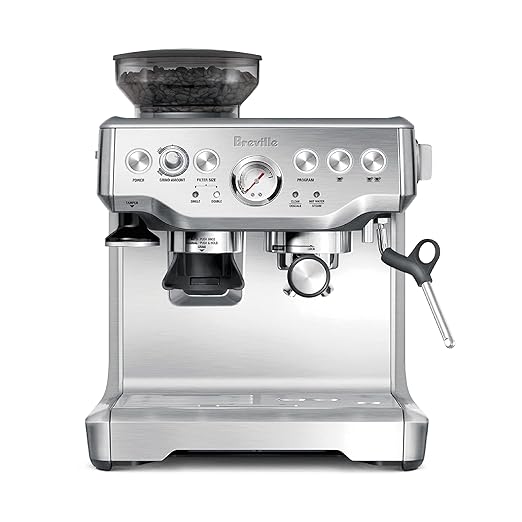
Breville Barista Express BES870XL — the realistic transitional machine
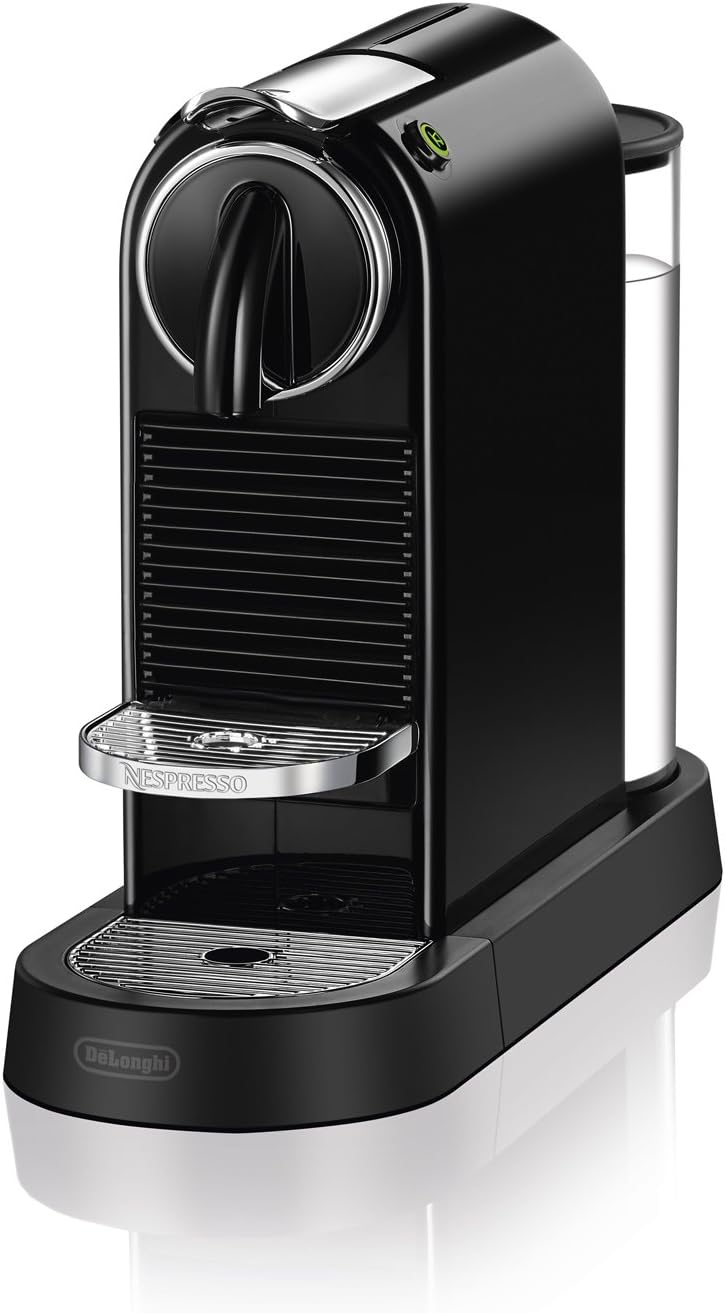
If you bought the E65S GBW before upgrading your espresso machine, the Barille Barista Express is the most common pairing we see. Yes, it has its own conical burr grinder — you ignore it and dose from the Mahlkonig into the portafilter. The 54mm basket is the one downside: you’ll need to dial in 18g doses to a 53mm or 54mm basket rather than the more common 58mm commercial standard, which means slightly more headspace tuning. But the PID-controlled thermoblock, 15-bar pump, and steam wand are enough to expose the difference a grind-by-weight workflow makes. Available here: Breville Barista Express BES870XL on Amazon.
Ninja Luxe Cafe Premier — auto-tamp backup for busy mornings
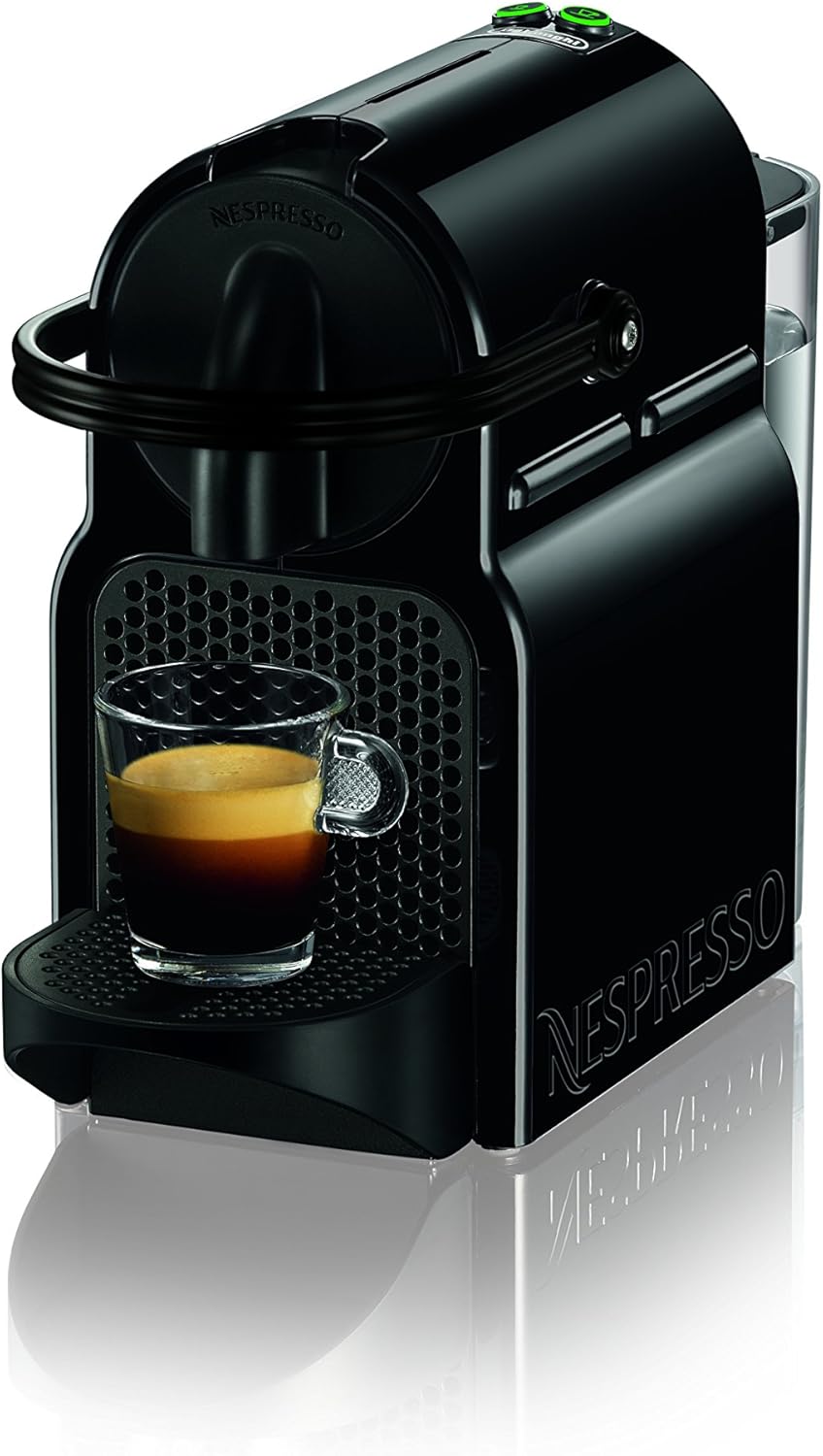
The Ninja Luxe Cafe Premier is an odd pairing on paper but works as a second station for households where one person wants weighed-dose espresso and another wants a fast latte before work. It has an auto-tamp mechanism, thermojet heating, and a 54mm portafilter that can accept manually dosed grounds from the Mahlkonig. We’d not recommend it as your only machine if you bought a $3,000 grinder, but as a secondary it earns its counter space. See it here: Ninja Luxe Cafe Premier on Amazon.
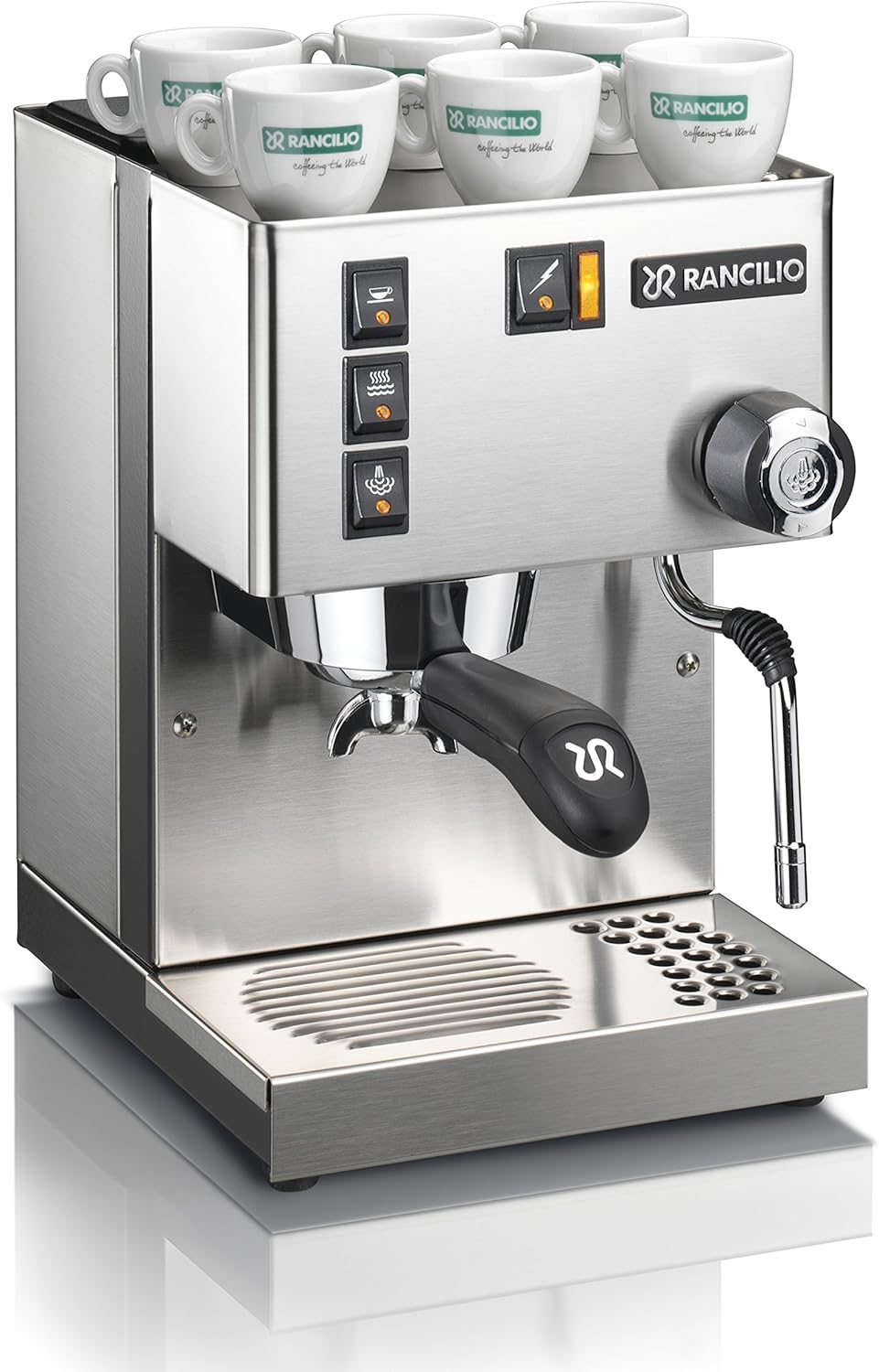
Philips 4400 Series — the "guests are over" super-automatic
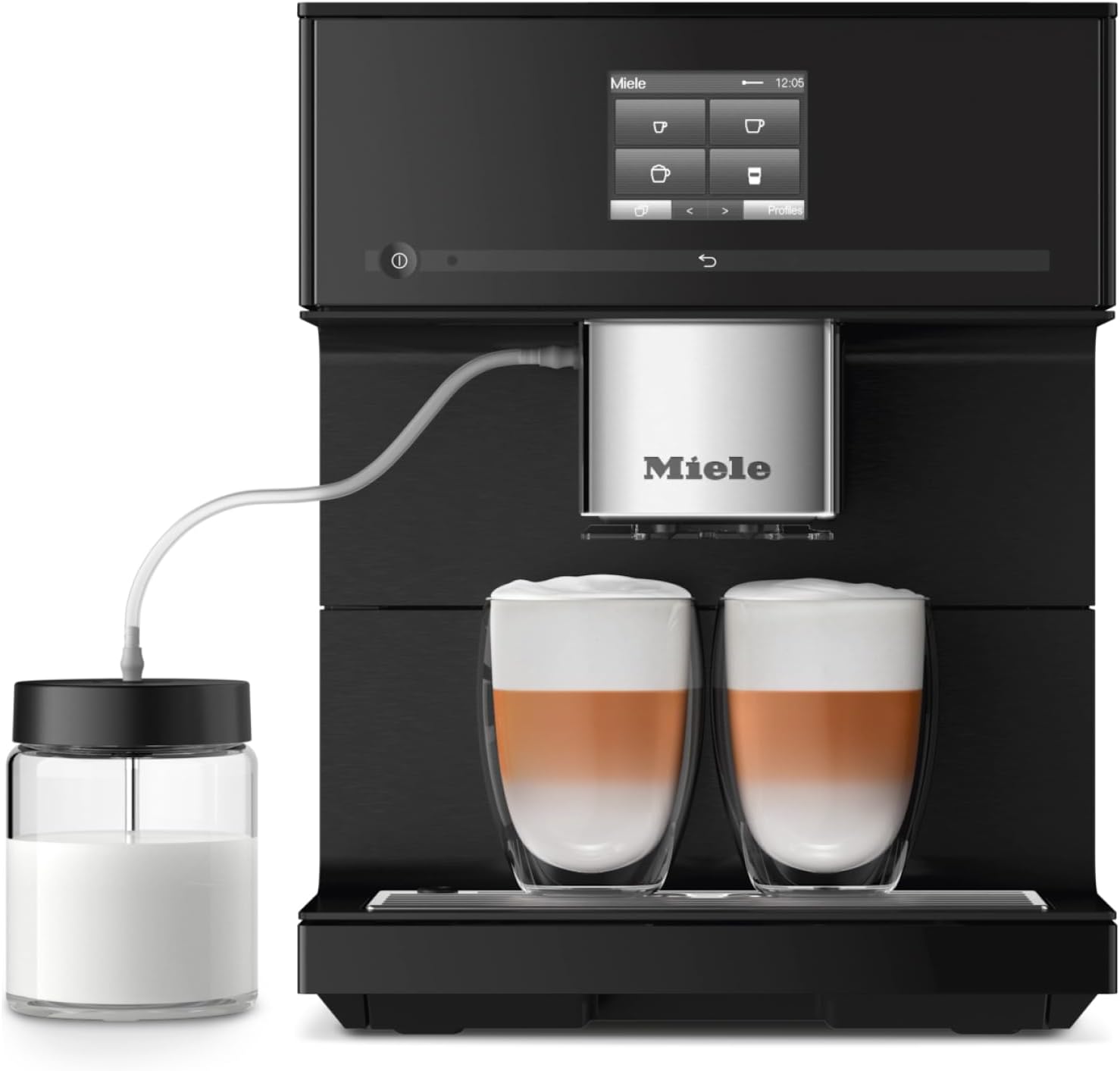
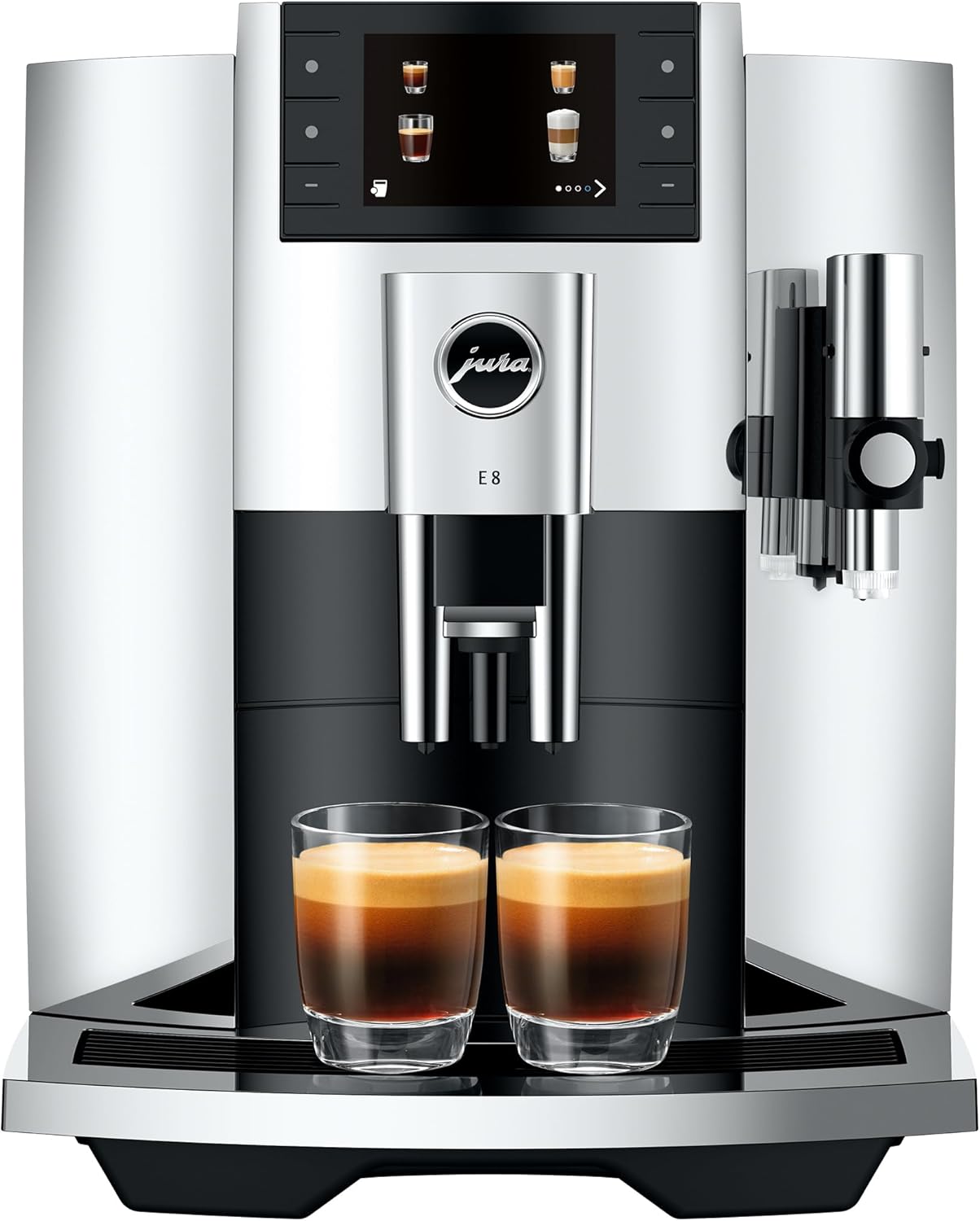
This recommendation is narrow: a super-automatic next to a commercial grinder makes sense only if you regularly serve guests who want a cappuccino without watching you dose, tamp, and pull. The Philips 4400 grinds, tamps, and brews internally, so you don’t engage the E65S GBW workflow at all — it’s a parallel coffee path. If your kitchen has the depth (17 inches), the LatteGo system genuinely produces drinkable milk drinks. Listing: Philips 4400 Series on Amazon.
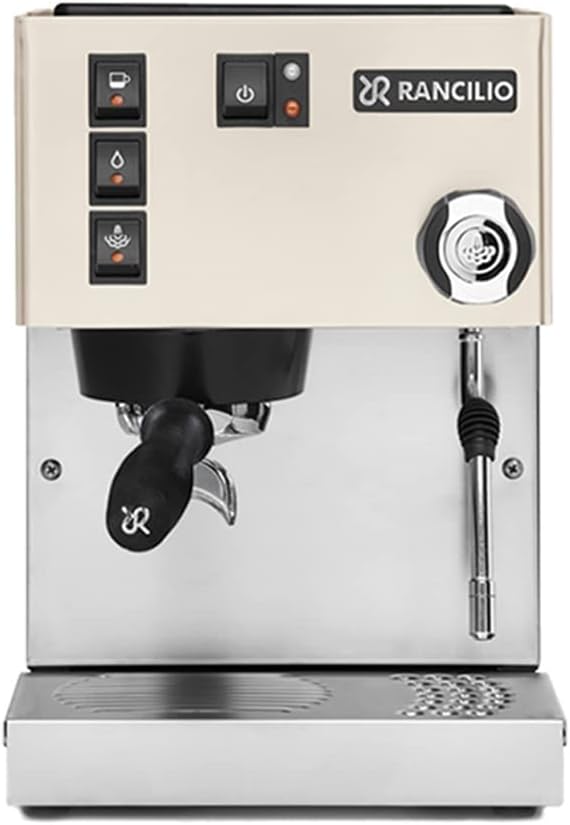
atatix 20 Bar — the travel or dorm spare
For weighed-dose obsessives who travel or maintain a second residence, the atatix is small enough to throw in a tote. It uses a pressurized 51mm basket out of the box, but you can find unpressurized baskets that fit, and the E65S GBW dose translates directly. Don’t expect commercial-grade temperature stability. atatix Espresso Machine on Amazon.
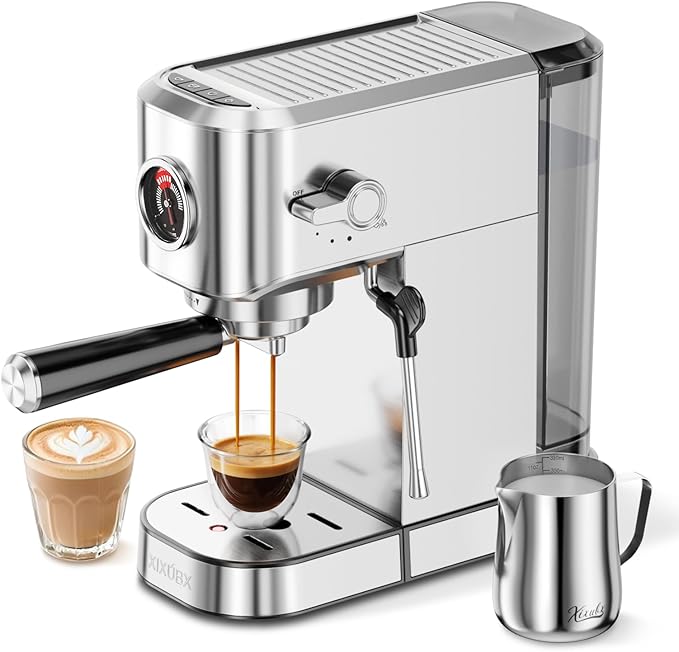
XIXUBX 20 Bar Compact — the smallest footprint option
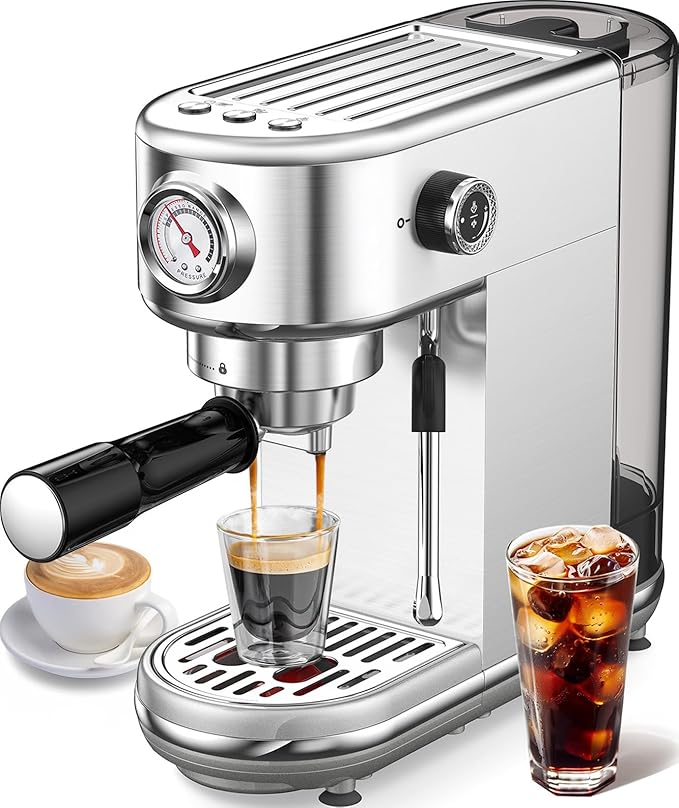
At roughly 10.5 inches deep, the XIXUBX is the only machine in this list that fits the same shallow-counter constraint as the E65S GBW. It is a basic single-boiler thermoblock with a 51mm pressurized portafilter, so it will not show you everything a precision grinder can do. It earns a mention only as a footprint match. XIXUBX Compact Espresso Maker on Amazon.
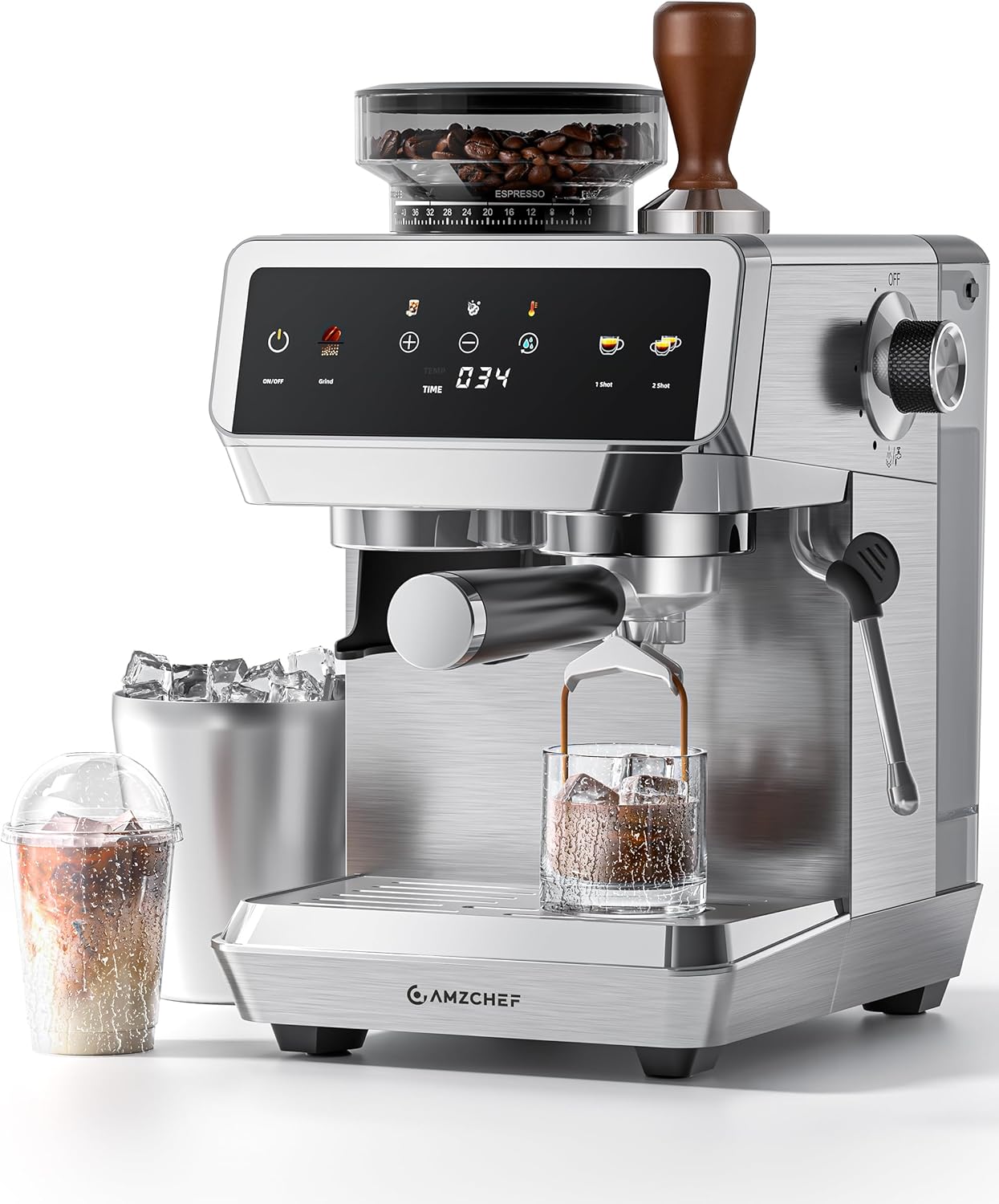
Single-Dose Workflow on the E65S GBW
Out of the box, the E65S GBW ships with a short bean hopper rather than a single-dose top. For home baristas rotating through 250g bags, the standard hopper retains roughly 5–8g of beans between sessions, which is more retention than purists want. Third-party single-dose hoppers from Bplus or Pesado drop retention below 0.5g and let you weigh in your bean dose, but they raise the total height by another 2 inches — recheck cabinet clearance.
The grind-by-weight algorithm compensates for retention by tracking the weight delta on the load cell, not by counting burr rotation time. This means it works correctly even with a near-empty hopper, which is unusual — most home grinders lose accuracy as the hopper drains.
Maintenance Realities at Home Volumes
The 65mm flat burrs are rated for roughly 1,200 kg of throughput before replacement. At three 18g doses a day, that’s 60 years of home use, so burr wear is not your concern — seasoning and gumming are. Plan on:
- Weekly: brush the chute and grind chamber with a stiff bristle.
- Monthly: run 30g of Grindz cleaning tablets, followed by 30g of throwaway beans to clear residue.
- Yearly: remove the top burr carrier, vacuum the grind chamber, and inspect the load cell platform for coffee oil buildup that could throw off the scale.
The load cell is the part most home users worry about. Mahlkonig publishes a tare and calibration routine in the manual that takes about 90 seconds with a known weight (a 100g calibration block works). Run it every two months if you obsess; quarterly is plenty if you don’t.
Power, Noise, and Cabinet-Adjacent Considerations
The E65S GBW runs on standard 120V/15A North American circuits and draws about 800W during a grind. You can share a circuit with a single-boiler espresso machine; do not share with a dual-boiler or a microwave on the same breaker. Noise is around 72–74 dB during a grind, which is loud but only for 4–6 seconds per dose — quieter than a Niche Zero burr motor at full RPM.
If your grinder lives directly below an upper cabinet, expect coffee aroma to migrate into the cabinet over months. This isn’t a defect; it’s physics. Consider a small under-cabinet vent or simply not storing bread directly above the grinder.
Who Should Skip the E65S GBW
Be honest with yourself. Skip this grinder if:
- You pull fewer than two shots a day — the cost-per-shot math gets absurd.
- You also want to grind for V60, AeroPress, and French press — the E65S is espresso-focused and the GBW workflow is overkill for pour-over.
- You cannot commit to 58mm baskets — the grinder is fine, but the workflow assumes you have a portafilter sized for commercial-tolerance puck prep.
If any of those apply, look at the Niche Zero, DF64 Gen 2, or a used Mazzer Mini instead. For everyone else — weighed-dose home baristas with shallow counters and 58mm prosumer machines — the Mahlkonig E65S GBW for weighed dose home setups is the most defensible commercial grinder you can put in a residential kitchen in 2026.
Related reading on this site: best single-dose grinders for shallow counters in 2026, grind-by-weight vs grind-by-time for home espresso, and why 58mm portafilters matter for a weighed-dose workflow.
Frequently Asked Questions
Will the Mahlkonig E65S GBW fit under standard 18-inch upper cabinets?
Yes, with the stock short hopper. The grinder is 17.5 inches tall and standard counter-to-upper clearance is 18 inches, giving you about half an inch of working room. If you switch to a third-party single-dose hopper, recheck — most add 1.5 to 2 inches.
How accurate is the grind-by-weight system in real home use?
Most home users report shot-to-shot variance of ±0.1 to ±0.2 grams once the unit is calibrated and the load cell platform is clean. That’s tighter than nearly any baristas hits manually with a separate scale, and it’s the main reason weighed-dose obsessives buy this grinder.
Can I use the E65S GBW with a 54mm Breville portafilter?
Yes, the fork accepts any standard portafilter handle, and the chute drops grounds into whatever basket sits below it. The 65mm flat burr particle distribution works with 54mm baskets, though you’ll dial in to slightly higher dose densities than a 58mm basket would need.
Is the E65S GBW too loud for an open-plan kitchen?
It runs at roughly 72–74 dB for 4–6 seconds per dose. That’s comparable to a household blender on low speed, but only briefly. Most users find it acceptable; if you live with someone sensitive to noise, consider grinding before they’re awake or installing a foam isolation pad under the unit.
How much retention should I expect between doses?
With the stock short hopper, expect roughly 5–8g of bean retention in the hopper and less than 0.5g of grind retention in the chamber. The grind-by-weight algorithm compensates for this by reading actual delivered weight, so retention does not affect dose accuracy — only freshness if you single-dose from a fresh bag each session.
Do I need a dedicated 20A circuit for the E65S GBW?
No. The grinder draws about 800W during a grind cycle, well within a standard North American 15A/120V circuit. You can share that circuit with a single-boiler espresso machine. Avoid sharing with high-draw appliances like microwaves or dual-boiler machines on the same breaker.
Is the E65S GBW worth it for a single-shot-per-day household?
Probably not. The grinder’s value proposition is dose consistency across many shots and burr longevity across decades. At one shot per day, a Niche Zero or DF64 Gen 2 delivers most of the workflow benefit at one-third the cost. Reserve the E65S GBW for households pulling three or more shots daily, or for baristas whose obsession with weighed-dose accuracy outweighs the math.
Key Takeaways
- Choosing the right Mahlkonig E65S GBW for weighed dose home setups means matching capacity and output ports to your actual devices
- Always check actual watt-hours (Wh), not just watts — runtime depends on Wh, not peak output
- Also covers: E65S GBW review home
- Also covers: Mahlkonig E65S grind by weight accuracy
- Also covers: E65S GBW counter depth dimensions
- Compare price-per-Wh across models to find the best value for your budget