If you live in a 300-square-foot Manhattan walkup and dream of vintage lever espresso, the La Pavoni Europiccola for small NYC studio apartments is arguably the most romantic countertop appliance ever made. Its chrome dome, exposed brass boiler, and hand-pulled lever take up roughly 7 inches of counter width—about the footprint of a standing mixer—while producing café-quality shots without electronics, pumps, or app updates. In 2026, with NYC rents pushing studios under 400 square feet, the Europiccola remains a cult favorite precisely because it solves the space problem instead of ignoring it. This guide covers what to expect, who it suits, and which alternatives make sense if you can't snag one this season.
Why the Europiccola earned its NYC studio reputation
The Europiccola was designed in Milan in 1961, back when European apartments were already tiny. Its 8-cup brass boiler sits inside a polished chrome shell that's just 7.9 inches wide, 11 inches deep, and 11.8 inches tall to the top of the lever. That means it slides under most upper cabinets and disappears next to a toaster oven. Compare that to a Breville Dual Boiler (15 inches wide) or a Rocket Appartamento (10.6 inches), and the math on a NYC galley kitchen becomes obvious fast.
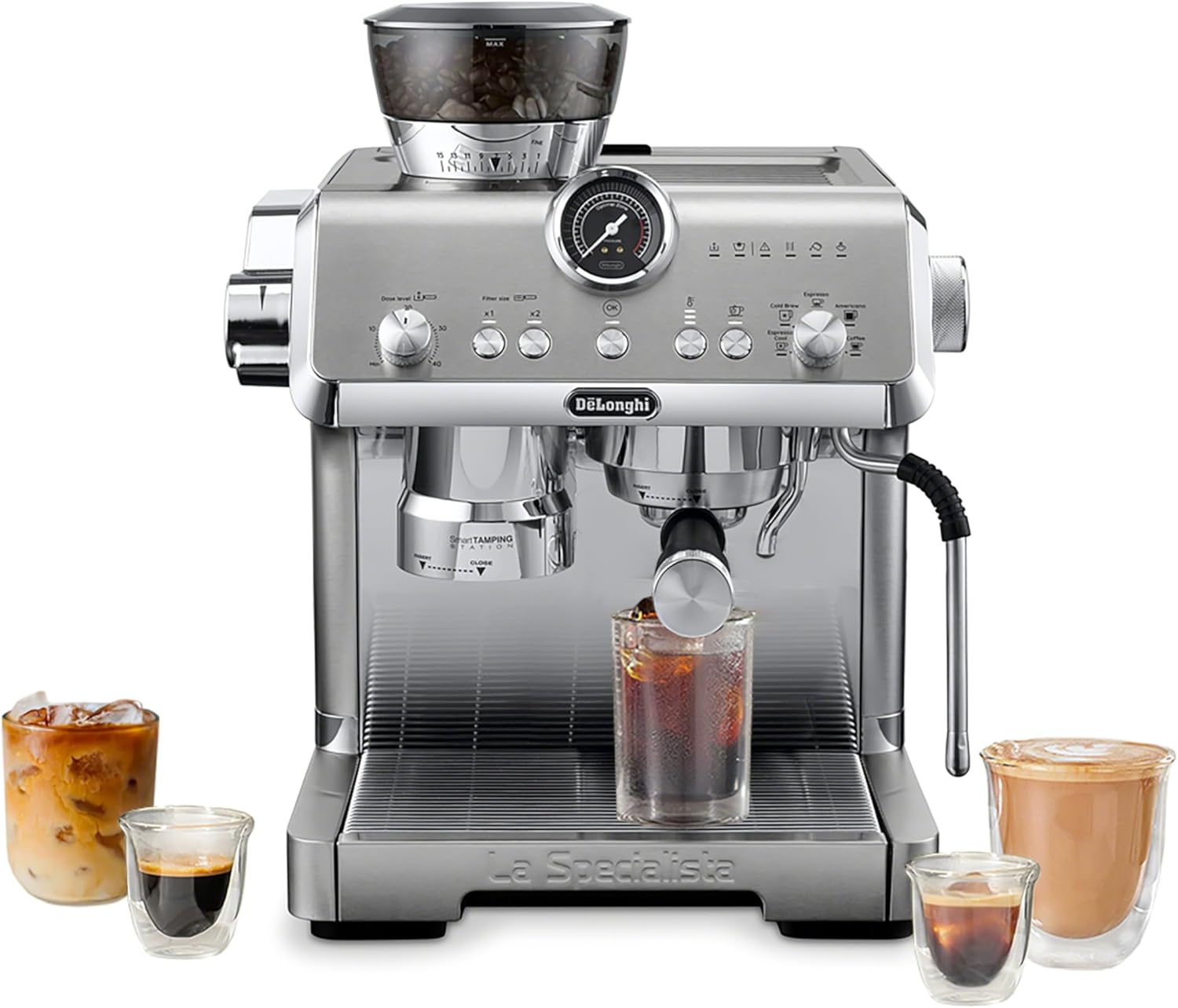
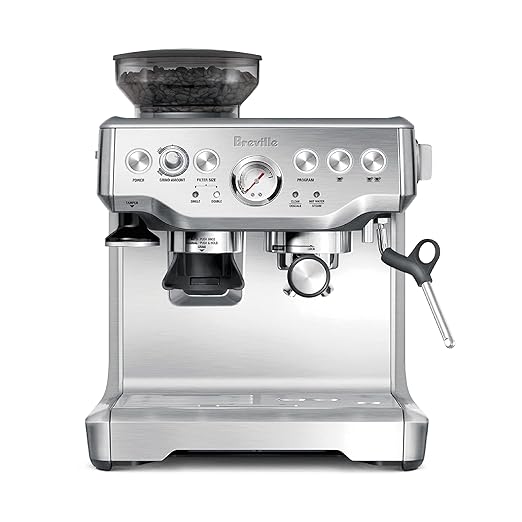
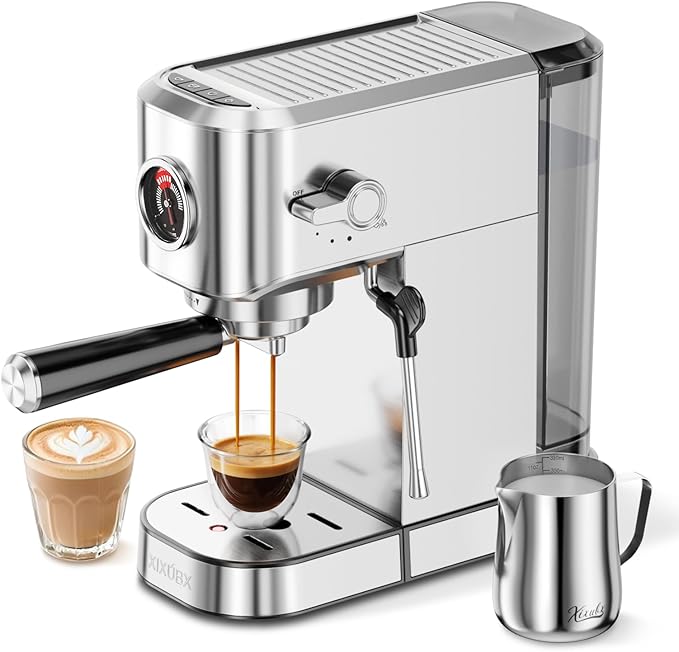
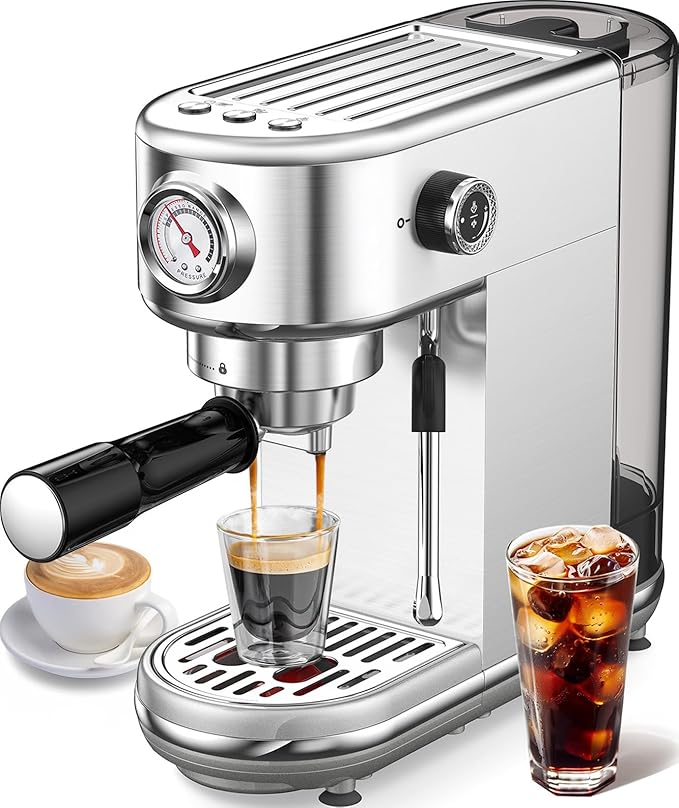
Footprint isn't the only reason it works in a studio. The machine is silent—there's no vibratory pump or grinder fan. Your downstairs neighbor won't know you're pulling a 6 a.m. ristretto. The Europiccola also runs on a standard 120V outlet draw (around 1000 watts), so prewar buildings with finicky circuits handle it fine. And because it's mechanical, the parts that wear out (gaskets, pistons, seals) are user-serviceable with a $30 rebuild kit, which matters when you don't have room for a backup machine sitting in a closet.
The lever experience—what shots actually taste like
Pulling a Europiccola shot is a ritual, not a button press. You preheat for 8-10 minutes, lock in a portafilter, raise the lever to draw water from the boiler into the brew chamber, then push down slowly to force water through the puck. With practice, you can vary pressure mid-shot—starting at 4 bars for a long pre-infusion, ramping to 8-9 bars for extraction. No pump-driven machine under $3,000 gives you that kind of control.
Shots tend to be lower in pressure than commercial machines, which produces a softer, syrupy crema and pronounced sweetness rather than the dense bricks you get from a Linea Mini. Light Nordic roasts can be tricky; medium and medium-dark roasts from local NYC roasters like Variety, Devoción, or Joe Coffee shine. The boiler also doubles as a steam source, and while the wand isn't as powerful as a commercial unit, it'll texture 4-6 ounces of milk for a cortado in about 25 seconds. For more lever theory, see our best manual lever espresso machines of 2026 roundup.
Realistic alternatives if you can't find a Europiccola
Authentic Europiccolas aren't always in stock through major U.S. retailers in 2026, and used examples on eBay range from $500-$1,200 depending on year and condition. If you want similar small-footprint espresso suitable for the La Pavoni Europiccola for small NYC studio apartments use case but need something available today, a few pump machines deliver respectable shots in under 10 inches of counter width. Here's how the most relevant options compare.
| Machine | Width | Style | Best for |
|---|---|---|---|
| La Pavoni Europiccola | 7.9" | Manual lever | Ritual, vintage aesthetic |
| Breville Barista Express | 13.5" | Semi-auto + grinder | All-in-one first-timer setup |
| Ninja Luxe Cafe Premier | 12.2" | Semi-auto + grinder | Push-button espresso + cold brew |
| XIXUBX 20 Bar Compact | ~6" | Pump espresso | Tightest budgets, smallest counters |
| atatix 20 Bar Espresso | ~6" | Pump + frother | Studio dwellers under $150 |
XIXUBX 20 Bar Compact Stainless Steel Espresso Maker
If footprint is the dealbreaker and you simply cannot fit a 13-inch Breville on your 18-inch counter strip, the XIXUBX is the most directly comparable option to the Europiccola in size. At roughly 6 inches wide, it slides into the gap between a microwave and a knife block, and the stainless steel housing wipes clean in seconds. It's a pump machine, not a lever, so you won't get the same tactile experience—but you'll pull a hot shot in 40 seconds without an 8-minute preheat. Worth considering for renters who want espresso now and may upgrade later. Check current price on Amazon.
atatix Espresso Machine with Milk Frother, 20 Bar Pressure
The atatix occupies almost identical real estate to the XIXUBX but adds a built-in steam wand for milk drinks. For a studio dweller who lives on flat whites and cortados, the integrated frother removes the need for a separate milk pitcher heater or a standalone handheld frother taking up another drawer. It accepts standard portafilters (pods or ground coffee), runs on a 120V outlet, and weighs about 6 pounds—light enough to stash in a cabinet between uses if your counter is truly minimal. A sensible stopgap while you watch eBay for a clean Europiccola listing. See it on Amazon.
Breville Barista Express Espresso Machine BES870XL
The Barista Express has been the default recommendation for first-time espresso buyers since 2015, and in a studio it's a reasonable splurge if your kitchen has at least 14 inches of clear counter. It includes a conical burr grinder, so you eliminate a separate grinder appliance—which actually saves space versus pairing the Europiccola with a Niche Zero or 1Zpresso K-Ultra. The 15-bar pump and dual-wall portafilter forgive grind inconsistency, making it more beginner-friendly than the Europiccola's "everything matters" lever workflow. If you're not yet ready for the ritual, this is the bridge. View on Amazon.
Ninja Luxe Cafe Premier 3-in-1 Espresso Machine
The Ninja Luxe Cafe Premier earned a strong reputation in 2025-2026 for delivering pulled shots, drip coffee, and cold brew from one chassis with a built-in grinder. For NYC studio dwellers who don't want a Chemex, a Bonavita, and an espresso machine fighting for outlet space, the all-in-one design genuinely consolidates clutter. It's wider than the Europiccola but narrower than a Breville Dual Boiler, and the automated milk frothing is surprisingly good for oat milk lattes. A solid all-rounder when ritual matters less than versatility. Check the latest price.
Practical NYC studio setup tips
Whatever machine you choose, the Europiccola or otherwise, a few NYC-specific realities will shape your setup. First, water: New York tap water is famously soft and excellent for espresso, but if you live in a building with old galvanized risers (common in pre-1945 walk-ups), use a small Brita pitcher to avoid sediment scoring your boiler. Second, ventilation: the Europiccola's chrome boiler radiates heat for 20 minutes after shut-off, so don't tuck it against a wallpapered wall or unfinished wooden cabinet face. Third, outlets: many studios have only 2-3 kitchen outlets, often shared with the refrigerator circuit. Avoid plugging the espresso machine into the same outlet as a microwave or toaster oven during preheat—you'll trip the breaker the first cold morning.
For a complete vintage setup, pair the Europiccola with a hand grinder rather than an electric one. The 1Zpresso K-Ultra or Kingrinder K6 both take less than 10 inches of vertical drawer space and produce espresso-grade grinds without any motor noise. If you'd rather go electric, see our roundup of the best hand grinders for lever espresso, where we break down which models specifically pair well with the Europiccola's lower extraction pressure.
What to know before you buy a used Europiccola
Most Europiccolas on the secondhand market in 2026 are between 10 and 40 years old. The good news: they were built to last forever, and original 1970s units still pull shots after a $50 service. The bad news: pre-2000 models used lead-based brass alloys in some internal fittings, and while the boiler itself is unaffected, many collectors prefer post-2000 "Millennium" or post-2019 "Lusso PL" versions for peace of mind. Look for intact pressure-relief valves, working steam knobs, and clean group gaskets. Avoid any unit with visible rust on the chrome or a cracked sight glass—both signal long-term moisture damage that's expensive to fully reverse.
If you want detailed comparisons against other lever options at this price tier, check our La Pavoni vs Elektra Micro Casa comparison for the lever-on-lever showdown. The Europiccola wins on footprint; the Elektra wins on aesthetic drama.
Frequently Asked Questions
How much counter space does a La Pavoni Europiccola actually need?
The machine itself is 7.9 inches wide and 11 inches deep, but you'll want at least 14 inches of clear width to swing the lever fully and 16 inches of depth to clear the cup tray when steaming. In a typical NYC galley kitchen, plan for the Europiccola to occupy a corner with at least 6 inches of vertical clearance above the lever's resting position, which sits around 16 inches above the counter when fully raised.
Is the La Pavoni Europiccola loud enough to bother NYC apartment neighbors?
No—and that's one of its biggest advantages over pump machines for the La Pavoni Europiccola for small NYC studio apartments crowd. The Europiccola has no pump, no fan, and no grinder, so the only sounds during operation are gentle boiler hiss and the mechanical click of the lever. Compared to a Breville's vibratory pump (which can hit 75 decibels), the Europiccola operates around 45 decibels—quieter than a refrigerator. Your downstairs neighbor in a prewar walk-up will never hear it.
Can you make oat milk lattes with a La Pavoni Europiccola?
Yes, but with a smaller pitcher than you'd use on a commercial machine. The Europiccola's steam wand can texture 4-6 ounces of oat milk in about 25-30 seconds—enough for one 8-ounce latte or two cortados. Barista-blend oat milks like Oatly Barista or Minor Figures steam best because they contain stabilizers that hold microfoam at the Europiccola's slightly lower steam pressure (around 1 bar versus 1.5 bar on a commercial unit).
How long does the La Pavoni Europiccola take to heat up in the morning?
Plan on 8-10 minutes from cold to brew-ready. The brass boiler holds heat well once warm, but it starts at room temperature each session because Italian regulations and NYC apartment electrical limits make leaving it on all day impractical. Many owners pair it with a smart plug on a 6:45 a.m. timer so the machine is hot when their alarm goes off at 7:00 sharp.
What grind size does the La Pavoni Europiccola need?
Slightly coarser than pump-driven espresso machines. Because the Europiccola operates at lower pressure (5-9 bars depending on lever technique versus a consistent 9 bars on a pump machine), grinds that are too fine will choke the puck and produce sour, under-extracted shots. Aim for a grind setting roughly 2-3 clicks coarser than you'd use on a Breville. A hand grinder with stepped adjustments makes dialing in noticeably faster than a stepless one.
Is the La Pavoni Europiccola worth it for a beginner home barista?
Honestly, no—not as a first machine. The Europiccola has the steepest learning curve of any popular home espresso machine because every variable (grind, dose, lever speed, preheat time) affects the shot. Beginners typically waste 3-4 weeks of beans before producing a drinkable espresso. If you're brand new to home espresso and want predictable results immediately, start with a Breville Barista Express or Ninja Luxe Cafe and graduate to a Europiccola once you understand extraction theory.
Does the La Pavoni Europiccola need special maintenance in a humid NYC apartment?
Mostly normal maintenance, but humidity does accelerate chrome tarnishing in prewar apartments without AC. Wipe the exterior weekly with a dry microfiber cloth, descale the boiler every 2-3 months with citric acid solution (NYC water is soft, so scale builds slowly), and replace the group gasket annually. Store the machine in the kitchen rather than a damp bathroom-adjacent counter to prevent any slow internal corrosion over the long term.
Key Takeaways
- Choosing the right La Pavoni Europiccola for small NYC studio apartments means matching capacity and output ports to your actual devices
- Always check actual watt-hours (Wh), not just watts — runtime depends on Wh, not peak output
- Also covers: La Pavoni Europiccola review small kitchen
- Also covers: Europiccola counter footprint studio
- Also covers: La Pavoni lever vintage Manhattan apartment
- Compare price-per-Wh across models to find the best value for your budget