The Flair 58 is a manual lever espresso press that needs water boiled externally, and pairing your flair 58 induction cooktop water heating workflow can deliver faster, more precise brew temperatures than a standard stovetop kettle. You only need an induction-compatible kettle or saucepan with a ferromagnetic base, a reliable instant-read thermometer, and the Flair 58's electric preheat controller. Heat fresh filtered water to roughly 96°C (205°F), pour it into the preheated brew chamber, lock the portafilter, and pull a balanced lever shot. Below is the complete 2026 walkthrough, with gear picks, temperature targets, and troubleshooting.
Why Use an Induction Cooktop Just for Water Heating with the Flair 58?
The Flair 58 ships with a heated brew cylinder, but the cylinder only maintains a stable group temperature—it does not boil water. You still need to deliver around 200–205°F (93–96°C) water into the chamber at the moment you pull the lever. Induction is uniquely suited to this job because the cooktop transfers energy directly into the kettle's base through electromagnetic induction, meaning:
- Speed: A 1.0L stainless kettle on an 1800W induction burner reaches 96°C from cold tap in about 3–4 minutes—faster than most gas burners and on par with high-end electric gooseneck kettles.
- Precision: Many induction cooktops let you set a target temperature in 1°F or 5°F increments and hold it indefinitely, which is exactly what a Flair 58 user wants for back-to-back shots.
- Cool surroundings: The hob itself stays relatively cool, so you can rest a milk pitcher, a tamper, or your portafilter next to it without scorching anything.
- Energy efficiency: Roughly 85–90% of the electricity becomes heat in the water, versus 40–55% for gas. That matters if you're pulling several shots per morning.
For lever espresso, water that is 2–3 degrees off target shows up in the cup as either sour-thin (too cool) or burnt-bitter (too hot). The Flair 58's brew chamber cools quickly between shots, so a fast, accurate water source on the cooktop matters more than it would on a pump machine with a temperature-controlled boiler.
What You Need: Gear Checklist
Before you start, gather the following:
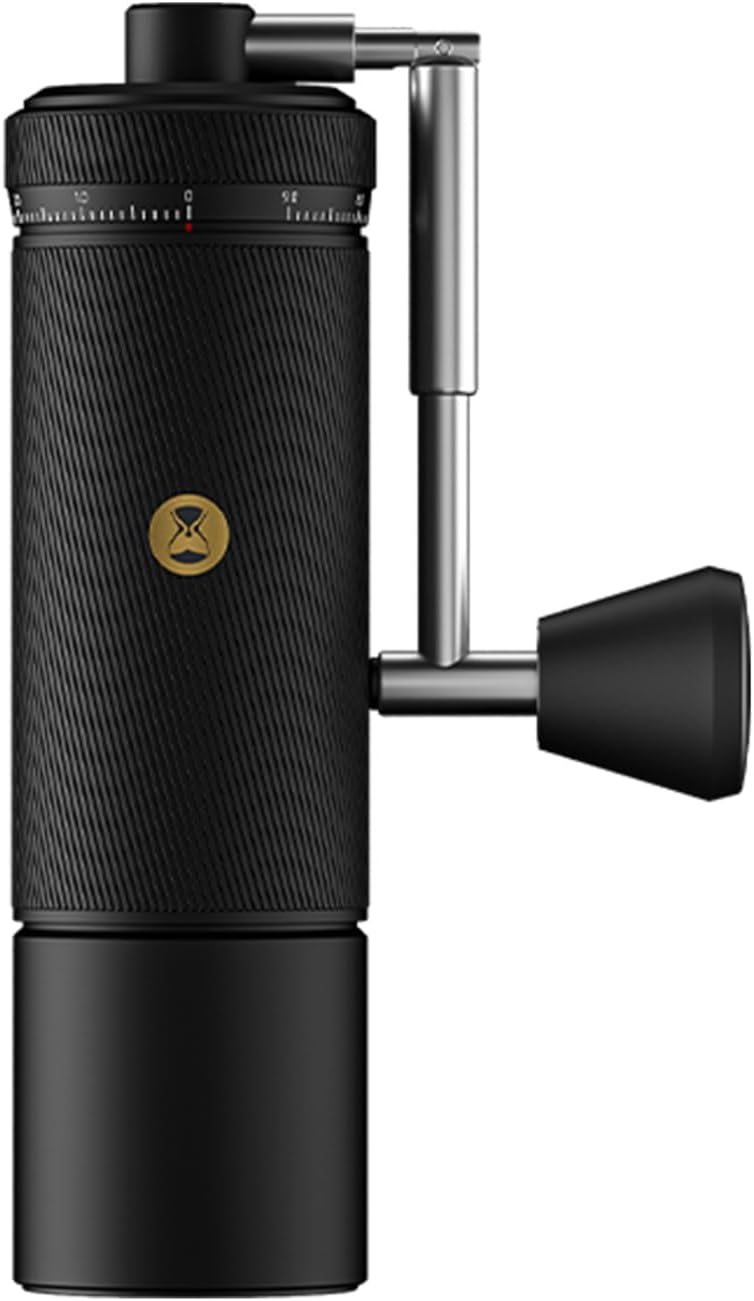
- Induction cooktop with a temperature-hold function (any 1500W+ portable unit works; built-in cooktops are fine too)
- Induction-compatible kettle or 1L saucepan—the base must be ferromagnetic (a fridge magnet should stick firmly). Most clad stainless steel and enameled cast iron qualify; pure aluminum and copper do not.
- Instant-read thermometer (digital probe, ±1°F accuracy) for verification
- Flair 58 with the preheat controller plugged in and warmed for 8–10 minutes
- Filtered water, ideally remineralized for espresso (50–100 ppm total hardness)
One detail many new Flair 58 owners miss: the volume of water that actually enters the brew chamber is small—about 70–90 ml per double shot. Boiling a full liter every morning wastes energy. A 600–800 ml kettle is the sweet spot for one or two shots back to back.
Step-by-Step: The flair 58 induction cooktop water Heating Workflow
- Preheat the Flair 58 chamber (8–10 min). Plug in the electric preheat controller and select your target brew temperature on the dial. The aluminum cylinder needs time to fully saturate.
- Fill the kettle. Use 250–400 ml of filtered water—enough for one shot plus a flush.
- Set the induction cooktop to a target hold temperature. Aim for 96°C / 205°F if your beans are medium roast, 93°C / 200°F for darker roasts, and 97°C / 207°F for lighter Nordic-style roasts.
- Verify with a probe thermometer. Many induction units read 2–5°F low or high because they sense temperature through the pan base, not the water. Verify once, then adjust the setpoint to compensate going forward.
- Pre-flush the brew cylinder. Pour 50 ml of hot water through the empty chamber to bring the metal to actual brew temp. Discard.
- Dose, distribute, tamp. Standard 18–20 g dose for the stock 58 mm basket.
- Pour the brew water. Fill the chamber to the indicator line, lock the portafilter on, and engage the lever within 10 seconds—water cools roughly 1°F per 4–5 seconds once it leaves the kettle.
- Pull the shot. Apply gradual pressure to bloom for 5–8 seconds, then ramp to 6–9 bar for the main extraction.
Done correctly, your flair 58 induction cooktop water heating routine takes about 5 minutes from cold start to first sip—competitive with any prosumer machine, at a fraction of the counter footprint.
Temperature Targets by Roast Level
| Roast Style | Brew Water (kettle) | Flair Preheat Dial | Notes |
|---|---|---|---|
| Light / Nordic | 97–99°C | Max setting | Aggressive extraction, longer pre-infusion |
| Medium | 95–96°C | Mid-high | Classic espresso sweet spot |
| Medium-Dark | 93–94°C | Mid | Reduces bitterness from oils |
| Dark / Italian | 90–92°C | Low-mid | Protects against scorched notes |
Alternatives if You'd Rather Skip the Manual Workflow
The Flair 58 plus induction cooktop combo is unbeatable for cafe-quality lever espresso, but it is a workflow. If you want a single appliance that handles water heating, pumping, and brewing in one footprint, here are three legitimate alternatives Flair owners often consider as a second machine for busy mornings or office use.
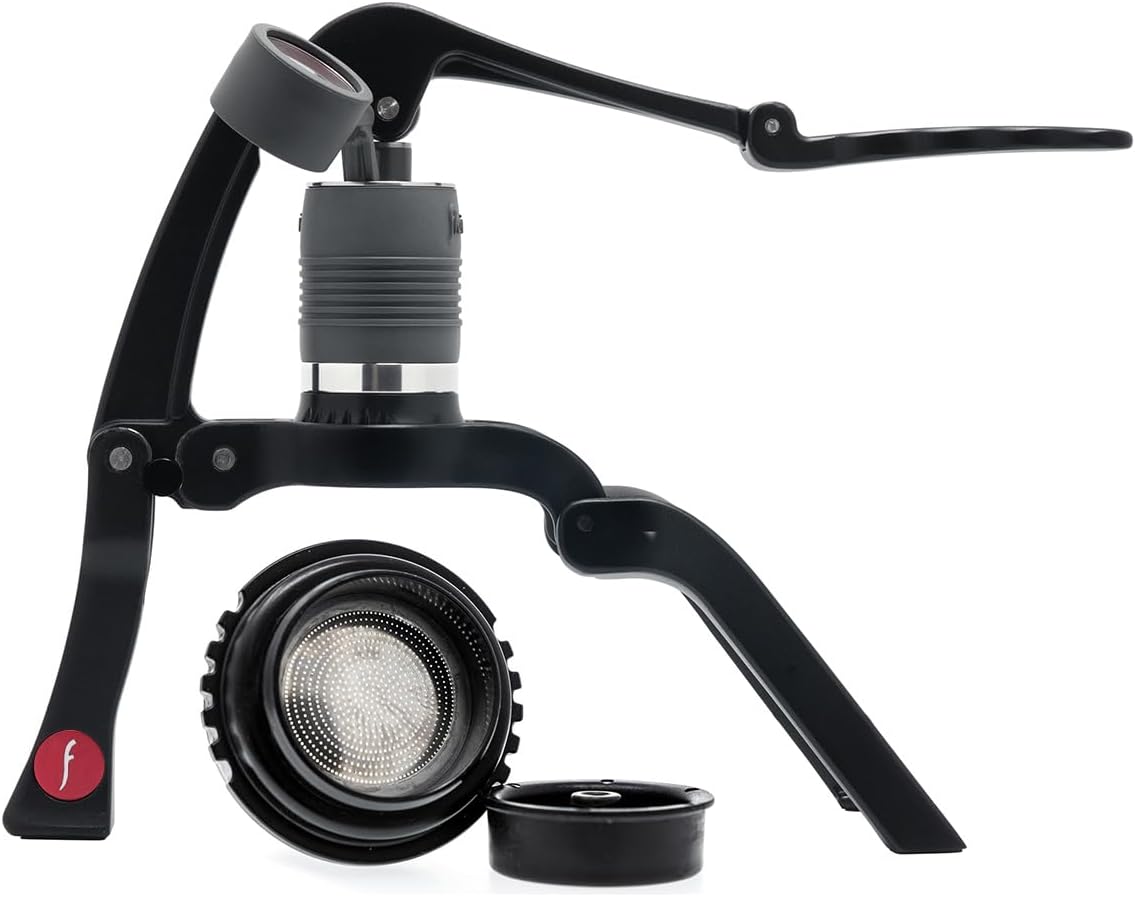
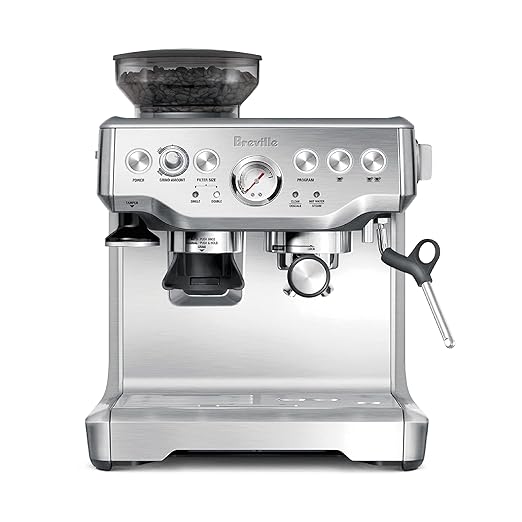
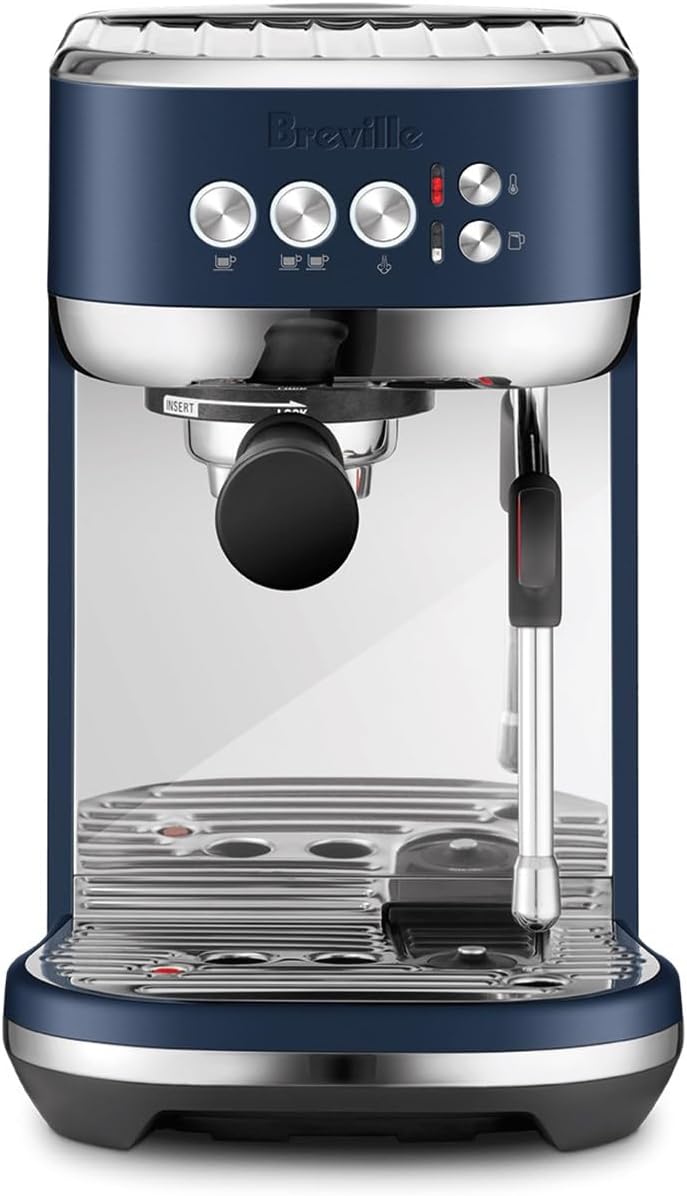
Breville Barista Express BES870XL — Best Integrated All-in-One
The Barista Express is the most-recommended prosumer espresso machine of the last decade for a reason: built-in conical burr grinder, PID-controlled thermocoil, and a 15-bar pump in a compact stainless body. It is the closest you can get to one-button espresso while still retaining barista control over dose and grind. Many Flair 58 owners keep one on the counter for guests or weekday mornings when they don't want to manually heat water on the induction cooktop. Check the Breville Barista Express on Amazon.
Ninja Luxe Cafe Premier 3-in-1 — Best Modern Hybrid
The Ninja Luxe Cafe Premier is a 2025-generation 3-in-1 that pulls espresso, brews drip coffee, and steams milk from a single thermoblock. It has assisted tamping and automatic dose adjustment, which is a different philosophy than the Flair 58's purist lever approach—but for households with multiple coffee drinkers it removes the friction of induction-kettle workflows. See the Ninja Luxe Cafe Premier on Amazon.
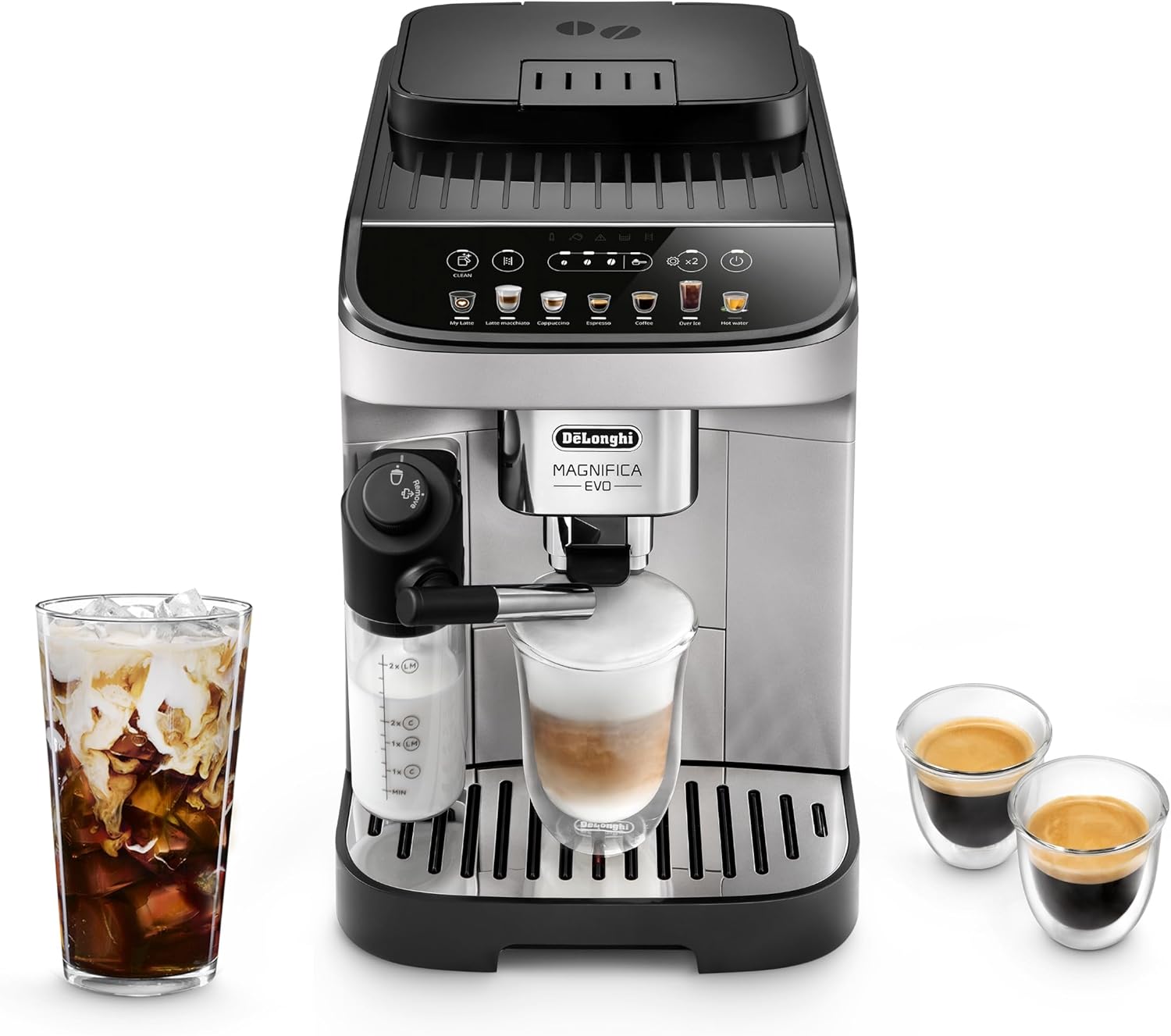
Philips 4400 Series Fully Automatic — Best Hands-Off Option
If your goal is to spend zero seconds on water-heating logistics, a super-automatic like the Philips 4400 grinds, doses, brews, and milk-froths from a touchscreen. It is not a substitute for the Flair 58's flavor ceiling, but it is the antidote to a busy Tuesday. View the Philips 4400 Series on Amazon.
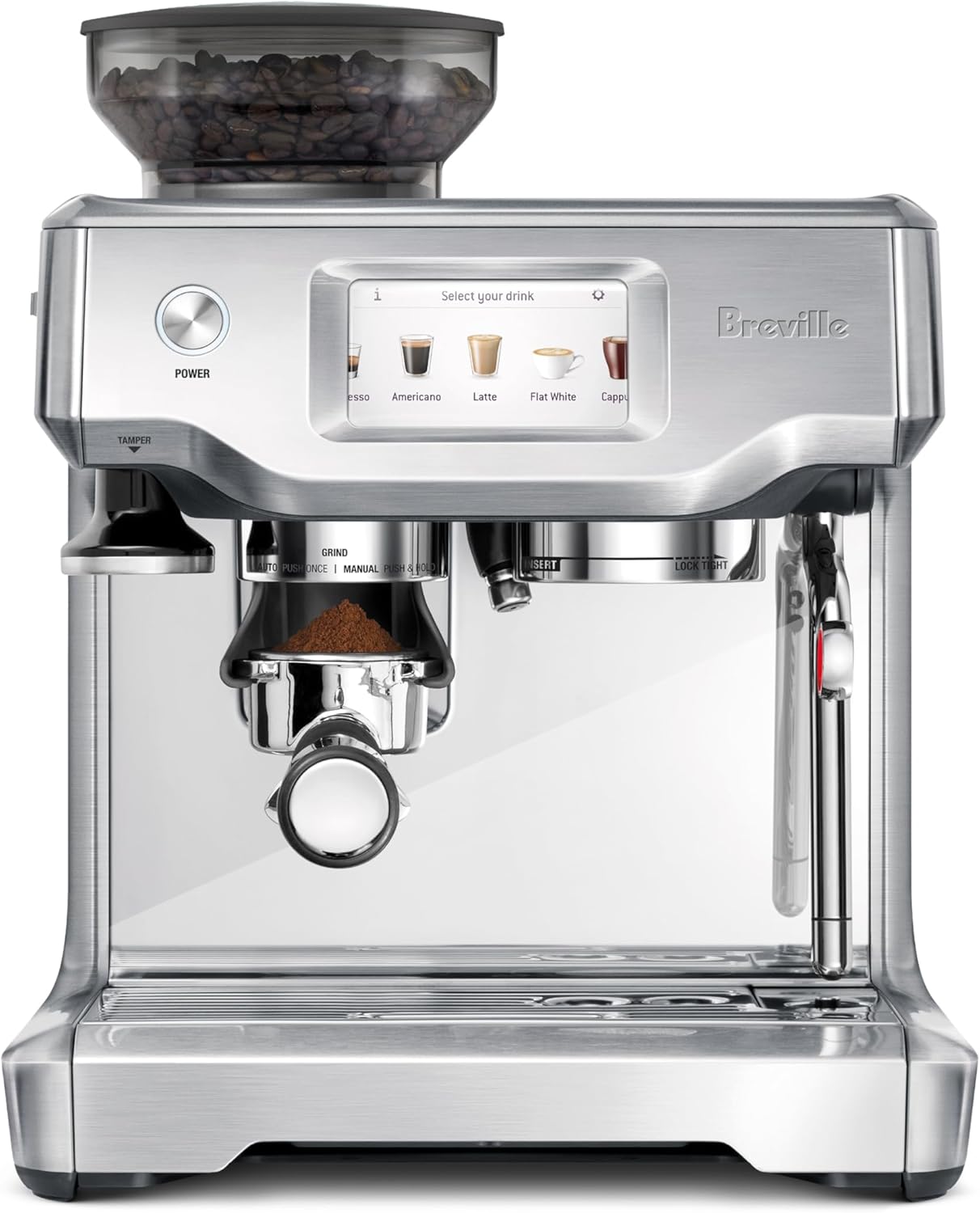
Budget Alternatives Worth Knowing About
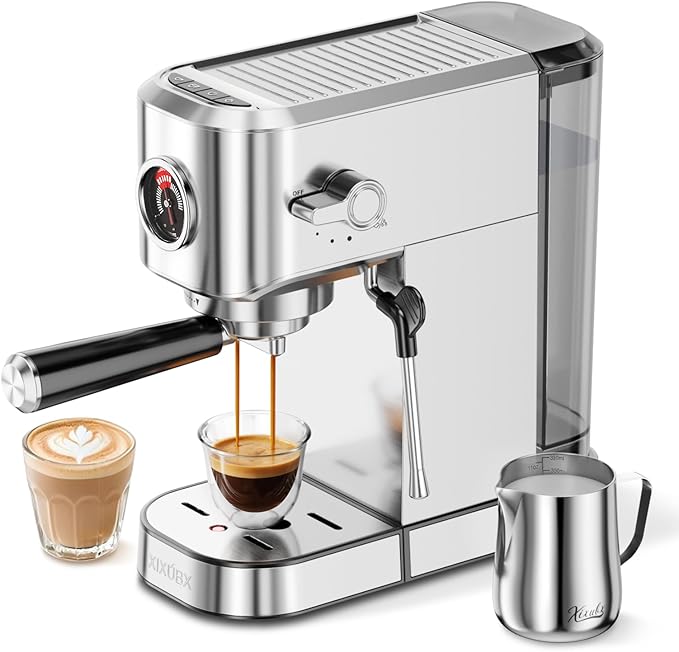
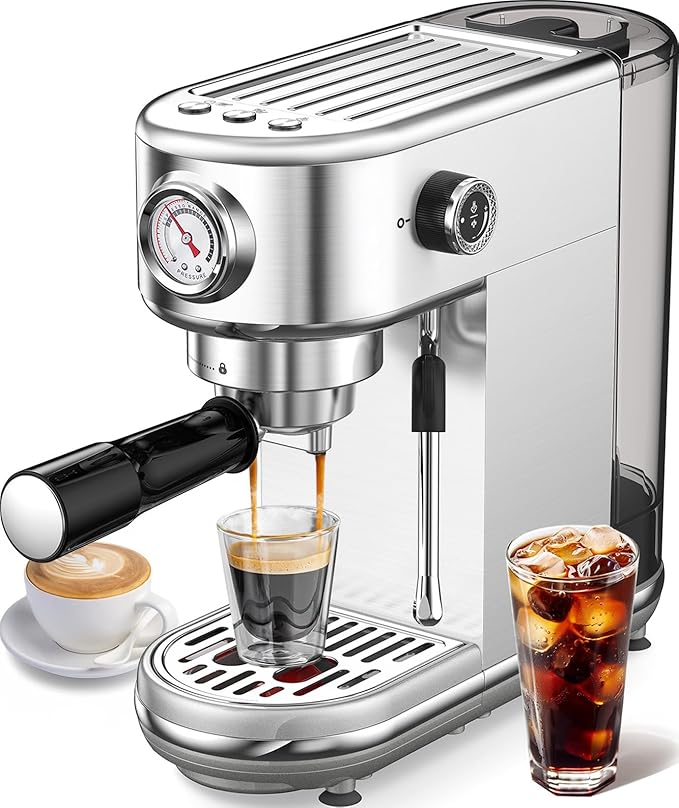
If you want a low-cost backup that doesn't require the flair 58 induction cooktop water heating ritual, two budget 20-bar machines are widely available. The atatix Espresso Machine with Milk Frother covers the basics with a steam wand, while the XIXUBX 20 Bar Compact Stainless Steel Espresso Maker is the most compact of the bunch for small apartments. Neither will outperform the Flair, but they are reasonable second machines.
Common Mistakes to Avoid
- Pouring before the chamber is fully preheated. The aluminum cylinder needs the full 8–10 minutes; rushing this drops actual brew temperature by 4–6°F.
- Using a non-magnetic kettle. If the kettle base isn't ferromagnetic, induction will not heat it—and a thin clad layer over aluminum will heat unevenly.
- Trusting the cooktop display blindly. Always verify against a probe thermometer at least once.
- Letting water sit in the kettle for more than 60 seconds after the hold is reached. Even with the burner on, water in a small kettle loses 1–2°F via the spout and lid.
- Skipping the pre-flush. A dry, room-temp basket and screen will cool the slug of brew water enough to noticeably mute extraction.
For more lever-machine workflow tips, see our guides on dialing in grind size for the Flair 58, the best induction-compatible kettles for espresso, and whether a manual lever or a super-automatic is right for you.
Frequently Asked Questions
Can you use a regular electric kettle instead of an induction cooktop for the Flair 58?
Yes—a variable-temperature gooseneck electric kettle works perfectly well. The advantage of the induction cooktop is that it can hold the target temperature indefinitely while you grind and tamp, which most basic electric kettles cannot do without re-cycling the heating element. If you already own a Fellow Stagg EKG or a Brewista Artisan, you do not need to add an induction unit.
What is the ideal water temperature for the Flair 58 with medium-roast beans?
Aim for 95–96°C (203–205°F) in the kettle, with the Flair 58 preheat controller on a mid-to-high setting. Because the brew chamber loses about 2–3°F during the transfer and lock-on, the actual extraction temperature lands around 92–94°C—the textbook espresso range for a balanced medium roast.
Will using an induction cooktop damage the Flair 58 preheat controller?
No. The Flair 58's preheat controller is fully independent of your water-heating method. The two devices share no electrical circuit—the controller just maintains the brew cylinder temperature while the induction cooktop separately heats the kettle. The only practical consideration is countertop layout, since you'll want the kettle, the Flair, and your grinder within an arm's length.
How much water should I boil per Flair 58 shot?
A double shot uses 70–90 ml of brew water, plus 30–50 ml for the pre-flush. Boiling 250 ml is the practical minimum because anything less cools too quickly in a thin-walled kettle. For two shots back to back, 400–500 ml is plenty.
Do I need a special induction kettle, or will any pot work?
Any pot with a ferromagnetic base will work, but a dedicated 0.6–1.0 L stainless or enameled kettle with a pour spout is dramatically easier to use than a saucepan. A gooseneck spout is overkill for pouring into the Flair chamber—a standard tapered spout pours cleanly enough.
Can I leave the induction cooktop on between shots?
Yes, if your cooktop has a temperature-hold function. Set it to your target (e.g., 96°C), and the burner will cycle on and off to maintain it. This is the most energy-efficient way to pull three or four shots in a 20-minute period. If your unit only has power levels (no temperature hold), turn it off between shots and re-heat as needed—running on a fixed power level risks overshooting past 100°C and boiling off volume.
Is the flair 58 induction cooktop water workflow practical for daily use?
For one or two drinks per morning, it is genuinely faster than most prosumer machines because you skip the 20–25 minute boiler warmup. For five-plus drinks per session (a small office, a brunch with friends), the manual workflow becomes the bottleneck and a pump machine like the Breville Barista Express or Ninja Luxe Cafe Premier will serve you better. Many enthusiasts keep both: the Flair for solo flavor sessions and an automatic for volume.
Key Takeaways
- Choosing the right flair 58 induction cooktop water means matching capacity and output ports to your actual devices
- Always check actual watt-hours (Wh), not just watts — runtime depends on Wh, not peak output
- Also covers: flair 58 induction kettle workflow
- Also covers: heat water induction flair 58
- Also covers: flair 58 no electric kettle
- Compare price-per-Wh across models to find the best value for your budget