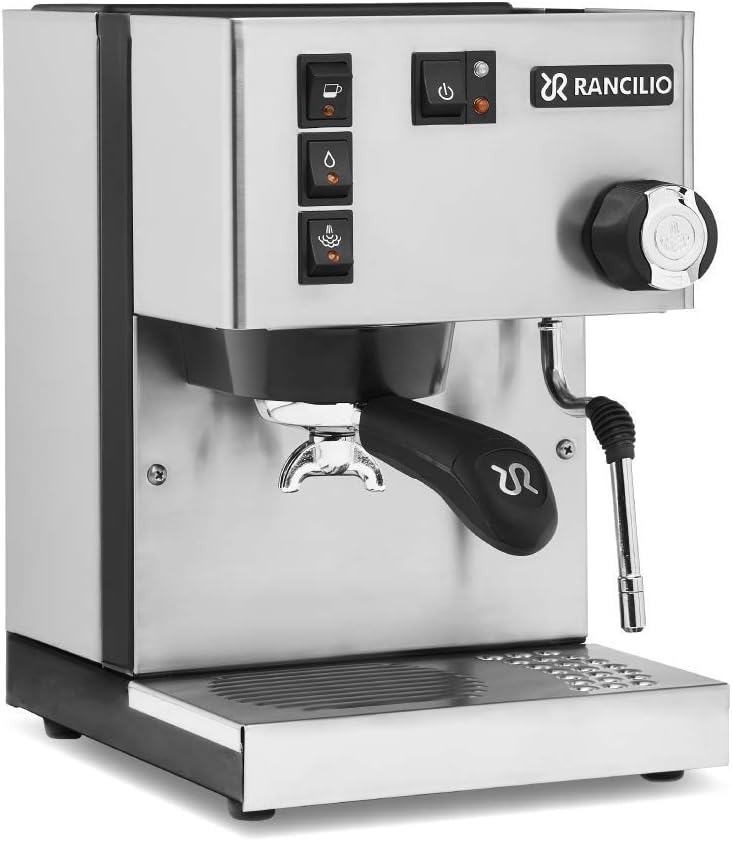
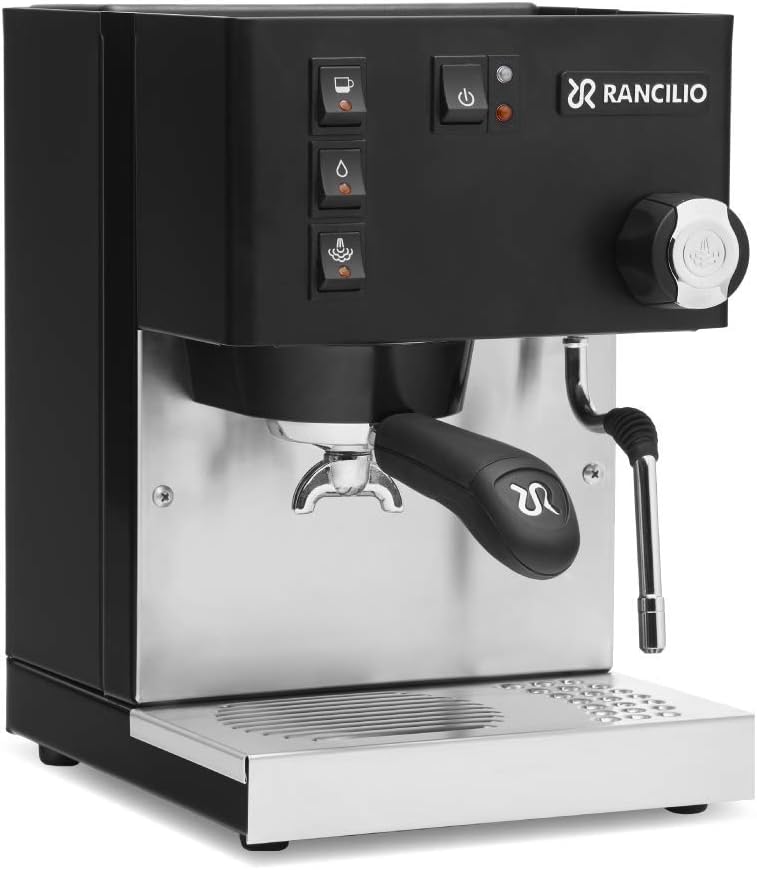
To rancilio silvia v6 temperature surf third wave roasts, wait for the heating element light to cycle off, count 30 seconds of idle, then perform a 3-5 second flush from the brew group, pause 8-12 seconds, and pull your shot before the element cycles back on. This window puts the boiler near 200-203 degrees Fahrenheit at the puck, which is the sweet spot for light, acid-forward third wave coffees from roasters like Heart, Onyx, or Sey. Below is the exact routine, why it works on the Silvia V6 specifically, and the gear that makes the surf repeatable shot after shot.
Why Temperature Surfing Still Matters on the Silvia V6
The Rancilio Silvia V6 is a single-boiler machine with a thermostat that lets the brew boiler swing roughly 15-20 degrees Fahrenheit between cycles. For darker, classic Italian roasts that swing is forgiving. But third wave coffees are roasted lighter, denser, and more acidic, so they need a tighter brew window, usually 200-204 F at the screen. Without surfing, you will either pull a shot at 195 F (sour, grassy, underdeveloped) or at 215 F (ashy, harsh, hollow). Surfing is the manual workaround for a PID upgrade you have not yet installed.
The best rancilio silvia v6 temperature surf third wave for your situation depends on how you plan to use it and where.
The V6 specifically benefits from surfing because Rancilio tightened the thermostat tolerances compared to earlier V3 and V4 boards, but the brass boiler still has thermal mass that lags behind the thermostat reading. That lag is what you exploit. If you are comparing the Silvia experience to other prosumer options, our guide to the best single-boiler espresso machines in 2026 walks through where it sits in the market.
The Exact Temperature Surf Routine for Third Wave Roasts
This is the routine I dial in with every new bag from a modern roaster. It assumes a 30-second pull from a 1:2.2 ratio on an 18 g VST basket, which is the third wave default in 2026. Tweak from here, do not redesign from scratch.
- Warm the machine for 25-30 minutes. Group head, portafilter locked in, empty basket. No shortcuts. A cold group steals 8-10 F from the first shot.
- Watch the element light. When the orange brew-ready light turns off, that is the start of your surf window.
- Idle for 30 seconds. Do nothing. The brass continues to absorb heat from the boiler water.
- Flush 3-5 seconds. Engage the brew switch with the portafilter out. You will see steam and then a stream. Stop at the moment the stream goes from sputtering to steady.
- Pause 8-12 seconds. Lock in your dosed and tamped portafilter during this window. The boiler is now refilling with cold water from the reservoir, dropping internal temp to your target.
- Pull the shot. Hit the brew switch and watch for first drops at 7-10 seconds. Target 36 g out in 28-32 seconds.
For a light Ethiopian natural, push the idle to 40 seconds and shorten the flush to 2 seconds. For a Colombian washed at the bright end, go 25 seconds idle and a 5-second flush. These are the two endpoints; everything else lives between them.
Reading the Cues: Sound, Sight, Taste
You cannot install a Scace device in your kitchen, so train your senses instead. The Silvia tells you what it is doing if you pay attention.
Sound: Right after the element cycles off you will hear a faint metallic tick as the boiler walls expand. That is your 30-second timer starting. If you flush too early, you will hear an aggressive hiss as superheated water flashes to steam at the screen.
Sight: A correct surf flush starts as wispy steam for one second, then a clean stream. If steam continues past two seconds, the boiler is too hot, flush longer. If you get only a weak stream with no initial steam, the boiler has already cooled past your target, restart.
Taste: Sour and thin means you pulled below 199 F. Ashy with no sweetness means you pulled above 205 F. Syrupy, juicy, with clear stone-fruit or berry notes means you nailed it. Third wave roasts reward the middle of that band with clarity that darker roasts simply cannot show.
Gear That Makes the Surf Repeatable
The surf only works if the rest of your variables are pinned down. Inconsistent grind, inconsistent dose, or a cold portafilter will hide the temperature change you are trying to dial in. Here are the pieces I recommend pairing with a Silvia V6 specifically for third wave work, plus a few alternatives if you are still deciding whether to stay with the Silvia at all.
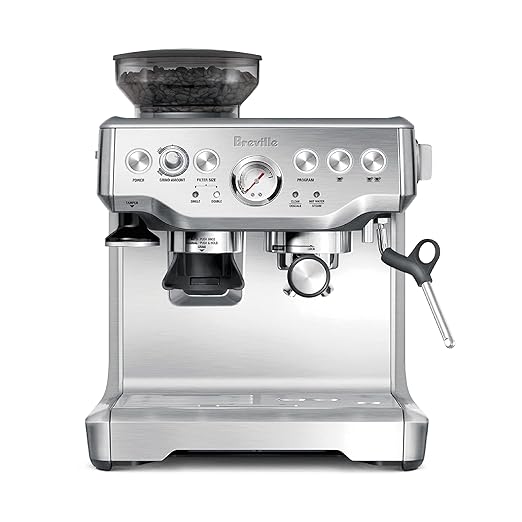
Best Drop-In Upgrade Path: Breville Barista Express BES870XL
If you love the third wave flavor profile but are losing the patience to surf every shot, the Breville Barista Express is the most honest upgrade recommendation I can make. Its ThermoCoil heating system holds temperature within about 2 F, which removes the surfing problem entirely, and the built-in conical burr grinder is good enough for medium roasts out of the box. You give up some of the Silvia's commercial-grade group head feel, but you gain time. Check the current price on Amazon.
Best All-In-One for Light Roasts Without Manual Skill: Ninja Luxe Cafe Premier
The Ninja Luxe Cafe Premier added a dedicated third wave preset in its 2025 firmware and the 2026 units ship with it standard. It uses a thermoblock with active temperature targeting at the puck, plus a built-in grinder with a barista assist mode that adjusts grind size based on shot time. It is not as romantic as a Silvia, but it pulls a clean light roast shot on the first try, which is the whole goal of surfing in the first place. See it on Amazon.
Best Hands-Off Option: Philips 4400 Series Fully Automatic
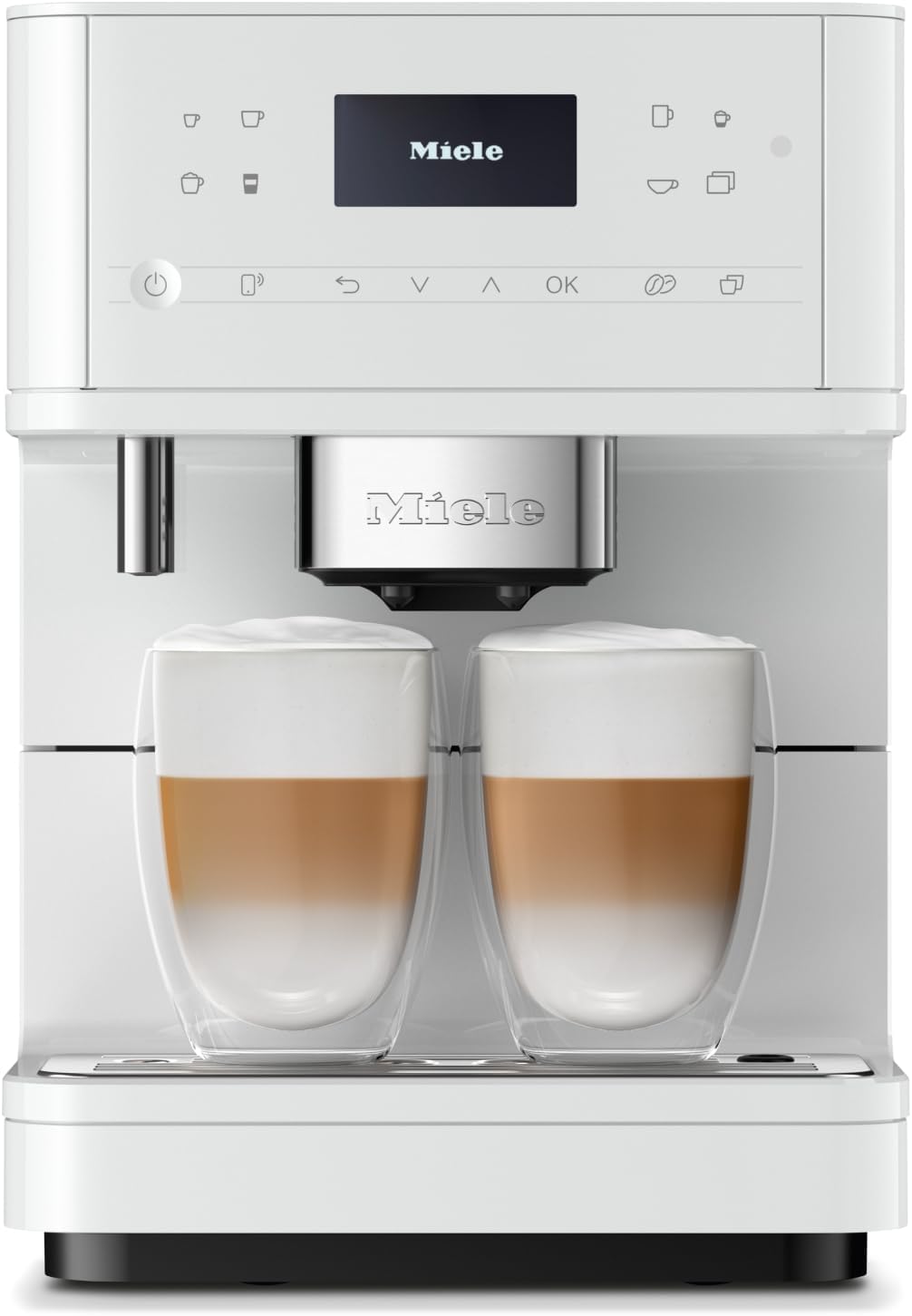
If your interest in third wave is the taste, not the ritual, the Philips 4400 LatteGo is the path of least resistance. Fully automatic, ceramic burrs, and the 2026 firmware update added a "specialty" profile that lengthens pre-infusion and lowers the brew temperature to 198 F, which is genuinely usable for lighter roasts. It will never out-pull a properly surfed Silvia on a Heart Black Cat, but it will out-pull a poorly surfed one every morning of the week. View on Amazon.
Silvia V6 vs. Modern Alternatives for Third Wave
| Machine | Temp Stability | Third Wave Suitability | Surfing Required | Best For |
|---|---|---|---|---|
| Rancilio Silvia V6 (with surf) | +/- 2 F when surfed | Excellent | Yes | Hands-on enthusiasts |
| Breville Barista Express BES870XL | +/- 2 F native | Very good | No | Upgrade from pod machines |
| Ninja Luxe Cafe Premier | +/- 1.5 F native | Very good with preset | No | One-touch third wave |
| Philips 4400 LatteGo | +/- 2 F native | Good with specialty mode | No | Speed and convenience |
| atatix 20 Bar Espresso Machine | +/- 4 F | Fair, needs grinder pairing | Helpful | Budget entry point |
Best Budget Companion: atatix 20 Bar Espresso Machine
I am not going to tell you the atatix replaces a Silvia. It does not. But if you are surfing a Silvia at home and want a no-stress secondary machine for travel or a vacation rental, the 20-bar atatix with milk frother handles medium roasts fine and survives being thrown in a duffel bag. Check Amazon.
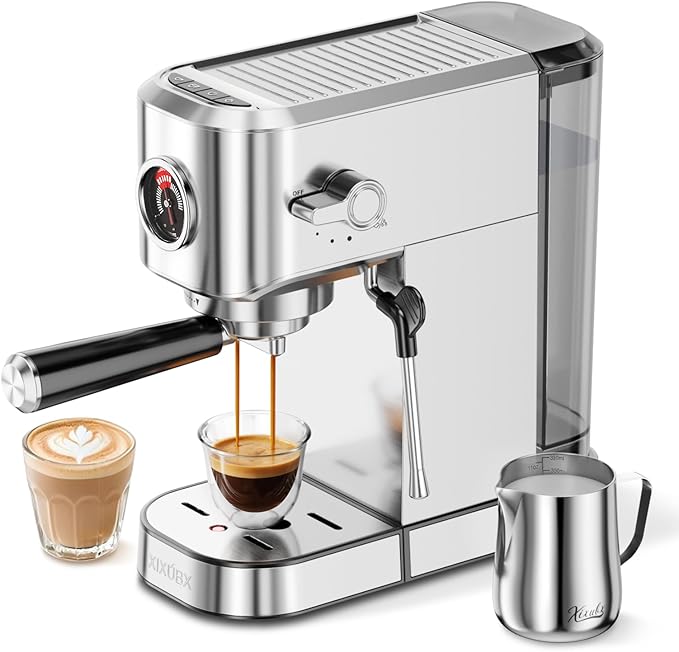
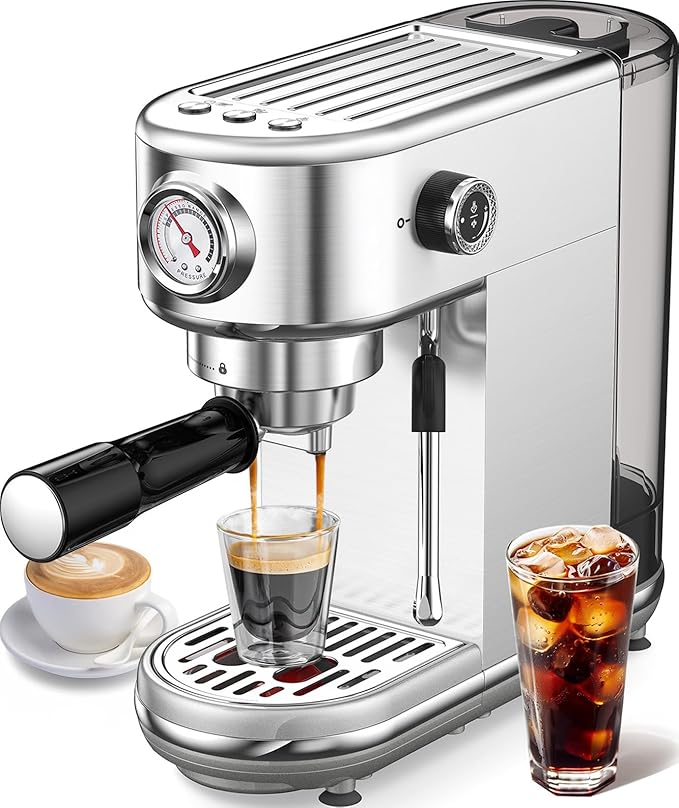
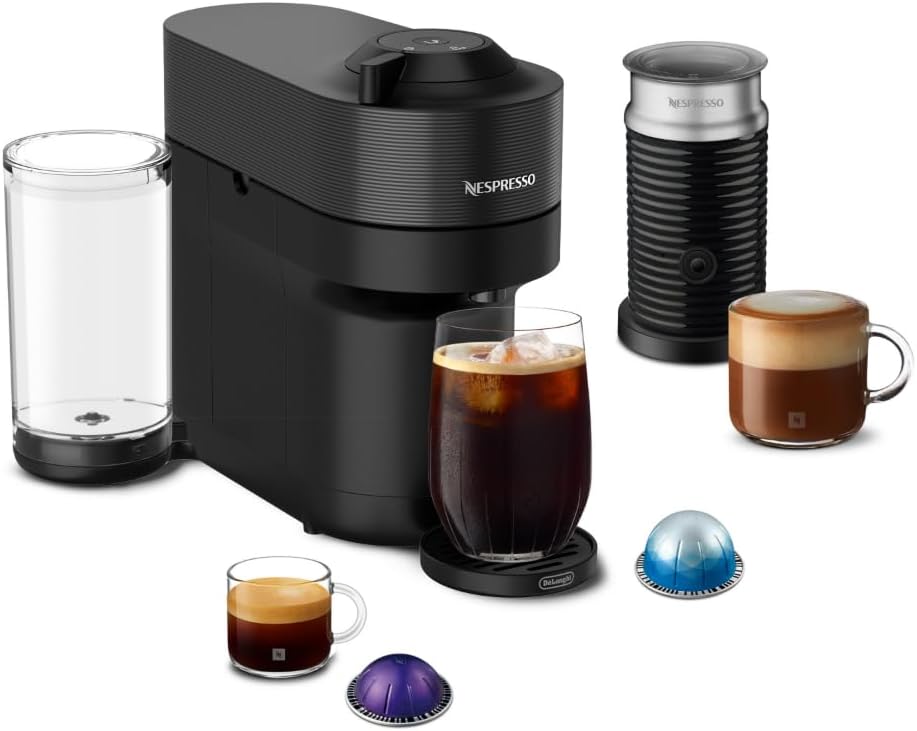
Best Compact Backup: XIXUBX 20 Bar Stainless Steel
For a dorm room, RV, or office desk where you still want a real portafilter rather than pods, the XIXUBX is a serviceable option. Stainless construction, 20-bar pump, and a footprint smaller than the Silvia by a noticeable margin. Pair it with a quality burr grinder and you can still get a respectable medium-roast shot, though third wave light roasts are pushing what this class of machine can do. See on Amazon.
Grinder Pairing: The Other Half of the Surf
Temperature surfing assumes your grind is consistent. If the grinder is throwing 200-micron variability shot to shot, no surf routine will save you. For a Silvia V6 in 2026, I recommend a flat-burr grinder with at least 64 mm burrs and stepless adjustment. Pull a shot, taste, adjust by a quarter step, surf again. That feedback loop is the entire third wave methodology in a sentence. For specific picks see our roundup of the best grinders for light roasts in 2026.
Common Mistakes That Break the Surf
I have coached enough Silvia owners through this routine to predict the failure modes. Watch for these:
- Not warming long enough. Twenty minutes is not enough on a cold winter morning. Go thirty.
- Flushing into the drip tray with the portafilter locked in. The flush has to happen with the group head clear so the cold water can move freely through the brass.
- Pulling the shot the moment the element cycles back on. Once you hear the click of the thermostat closing, your window has closed too. Pull before, not after.
- Surfing while steaming milk. Don't. Pull espresso first, then flip to steam. The steam thermostat throws the entire brew boiler temperature into chaos.
- Changing two variables at once. If you change grind size and idle time on the same shot, you learn nothing.
How the Surf Changes for Different Light Roast Origins
Not all third wave coffees want the same target temperature. Ethiopian naturals and Kenyan washed coffees, with their high malic and citric acid load, taste cleanest pulled at 203-204 F, which means a shorter idle and longer flush. Colombian and Central American washed coffees from medium altitude tend to open up at 200-202 F, the middle of the surf window. Anaerobic and experimental processed coffees vary so wildly that I recommend starting in the middle and adjusting based on whether the cup tastes hot or cold. Keep a small notebook by the machine, or a notes app on your phone. The patterns become obvious after about two weeks of disciplined logging.
When to Stop Surfing and Buy a PID
Honest answer: when you have surfed for six months and still love the Silvia, install an Auber PID kit. It eliminates the routine entirely, holds temperature within 1 F, and lets you change setpoint by origin in five seconds. Until then, surfing is free, builds your sensory skills, and teaches you exactly how brew temperature affects extraction. That knowledge transfers to any machine you upgrade to later. For the next step up in machines, our guide to dual boiler vs heat exchanger espresso machines is the natural follow-on.
Frequently Asked Questions
What temperature should I surf a Rancilio Silvia V6 to for a light Ethiopian natural?
Aim for approximately 203-204 F at the puck. On the Silvia V6 that means waiting about 40 seconds after the element light goes off, performing a 2-second flush, pausing 8 seconds, and pulling. The shorter flush keeps more heat in the brass for these brighter coffees that need a hotter extraction to develop sweetness.
How long should I let the Rancilio Silvia V6 warm up before temperature surfing?
Minimum 25 minutes with the portafilter locked into the group head, ideally 30. The brass group head has significant thermal mass and a cold group will pull 8-10 F of heat out of your first shot, breaking the surf entirely. Use a smart plug to schedule the warmup so it is ready when you wake up.
Can I temperature surf with the Silvia V6 steam wand for milk drinks?
Yes, but pull the espresso first and steam second. The steam thermostat triggers a much higher boiler temperature, and switching back and forth in either direction creates a 60 to 90 second thermal recovery period during which surfing is essentially impossible. Workflow matters more than surf precision once milk is involved.
Do I need a PID kit if I temperature surf my Silvia V6?
Not necessarily. A disciplined surf routine gets you within 2 F of target, which is acceptable for nearly all third wave roasts. A PID gets you within 1 F and saves the mental load. If you pull more than three shots a day or hate routines, install the PID. Otherwise the surf is fine.
Why does my Silvia V6 shot taste sour even after temperature surfing?
Three likely causes: the surf is too long and the boiler dropped below 198 F, the grind is too coarse for the dose, or the beans are too fresh and need three to five more days of rest. Test by tightening the grind one notch first; that solves it about 70 percent of the time.
Is the Rancilio Silvia V6 still worth buying in 2026 for third wave coffee?
Yes, if you want a tactile machine that rewards skill development. No, if you want one-button quality. The Silvia is now competing with the Breville Barista Express and Ninja Luxe Cafe Premier, both of which pull respectable light roast shots without any surfing. The Silvia still wins on build quality and resale value.
How do I know when the Rancilio Silvia V6 element has actually cycled off versus just dimmed?
The orange brew-ready light is binary, not a dimmer, so off means off. If you cannot tell visually because of kitchen lighting, listen for a faint click from the thermostat relay. Once you hear that click, your 30-second idle timer starts. Some V6 owners add an inline ammeter to make this even more obvious; that is overkill for most users but useful for the obsessed.
Key Takeaways
- Choosing the right rancilio silvia v6 temperature surf third wave means matching capacity and output ports to your actual devices
- Always check actual watt-hours (Wh), not just watts — runtime depends on Wh, not peak output
- Also covers: silvia v6 temp surfing technique
- Also covers: rancilio silvia third wave coffee
- Also covers: silvia v6 light roast temperature
- Compare price-per-Wh across models to find the best value for your budget