If you own a Eureka Specialita and notice 0.3–0.8g of grounds vanishing into the chute each shot, you can reduce retention Eureka Specialita with bellows and RDT for under $25 in parts and ten minutes of work. A silicone bellows attached to the spout puffs trapped grounds out of the exit chamber after each dose, while the Ross Droplet Technique (RDT)—a single spritz of water on the beans before grinding—neutralizes static and stops fine powder from clinging to the burr chamber. Together, these two mods give you a near-zero-retention workflow on a flat-burr grinder that's otherwise notorious for hoarding coffee between doses.
Why the Eureka Specialita Has a Retention Problem
The Specialita's 55mm flat steel burrs and angled exit chute were designed for café-style portafilter dosing, not single-dosing. When you feed it 18 grams of beans, somewhere between 0.3g and 1.2g typically gets stranded in the grind chamber, the anti-clump screen, and the plastic spout. For a home barista trying to dial in espresso, that's a serious problem: the grounds you pull out today were ground from beans you loaded yesterday, so every grind-size adjustment is lagged by a full dose. Stale grounds also mute flavor and dull crema.
Static electricity is the main culprit. Dry beans—especially light to medium roasts—pick up a charge as they fracture through the burrs, and the resulting powder clings to every plastic surface in the grind path. The Specialita's chute and anti-clump screen are particularly static-prone. Add humidity below 40%, common in winter heating season, and retention can climb above 1g per dose.
What You Need to Reduce Retention on a Eureka Specialita
To reduce retention Eureka Specialita with bellows and RDT, you need three cheap items:
- A 58mm silicone blind tumbler bellows (often called a "puck bellows" or "dosing cup bellows"). The collapsible silicone dome fits snugly over the Specialita's chute opening.
- A fine-mist spray bottle with distilled or filtered water. Cheap glass atomizers under $8 work perfectly.
- A dosing cup (51mm or 58mm) to catch grounds cleanly under the spout.
That's the entire shopping list. You do not need to disassemble the grinder, replace the burrs, or void the warranty.
The Ross Droplet Technique (RDT) Step by Step
RDT was popularized by home-barista forum user David Ross in the early 2000s and remains the single most effective static killer for home grinders. Here's how to apply it on the Specialita:
- Weigh your dose into a small cup—say 18.0g of whole beans.
- Hold the spray bottle 6–8 inches above the cup.
- Deliver one short pulse—roughly 0.05–0.10g of water. You want the beans to look faintly damp, not wet.
- Swirl the cup so every bean gets touched.
- Pour into the Specialita hopper and grind.
That tiny amount of moisture grounds the static charge before grinding begins. You'll hear an immediate difference: less of that sharp clattering of fines against the chute, and the grounds will fall into your dosing cup as a clean cylinder instead of an electrified halo. RDT alone typically cuts retention from ~1g to ~0.4g on a stock Specialita.
Adding the Bellows for Sub-0.1g Retention
The bellows is what gets you the rest of the way. After the grinder finishes spinning down, place the silicone dome over the spout opening (some users press it gently against the chute exit, others mount it permanently with a small rubber band). Give it two firm squeezes. Air pushes through the grind chamber from below and ejects the last 0.2–0.4g of fines clinging to the burrs and anti-clump screen. You'll see a small puff of extra grounds drop into your dosing cup.
Combined with RDT, retention drops to single-digit hundredths of a gram on most beans. In practice, you can now grind exactly the dose you load: weigh 18.0g of beans in, get 17.9–18.0g of grounds out, and any change to the grind setting takes effect on the very next shot.
Workflow: A Single-Dose Routine That Actually Works
Here's the routine I've used on my Specialita for three years, refined to maximize consistency:
- Tare an empty bean cup on a 0.1g scale.
- Weigh out 18.0g of whole beans.
- One RDT spritz, swirl.
- Pour into hopper, press the manual button, grind until the chute stops dropping grounds.
- Wait 2 seconds for spin-down.
- Bellows over the chute: two squeezes.
- Weigh the dosing cup. Confirm 17.9–18.0g.
- Transfer to portafilter using a funnel, distribute (WDT), tamp, pull.
Total added time vs. the stock workflow: about 8 seconds. The payoff is dial-in that actually responds.
Pairing the Specialita with the Right Espresso Machine
A low-retention Specialita workflow is only as useful as the machine pulling shots downstream. If you're still on a pressurized basket starter machine and considering an upgrade to match your grinder's precision, two real options stand out for home baristas in 2026.
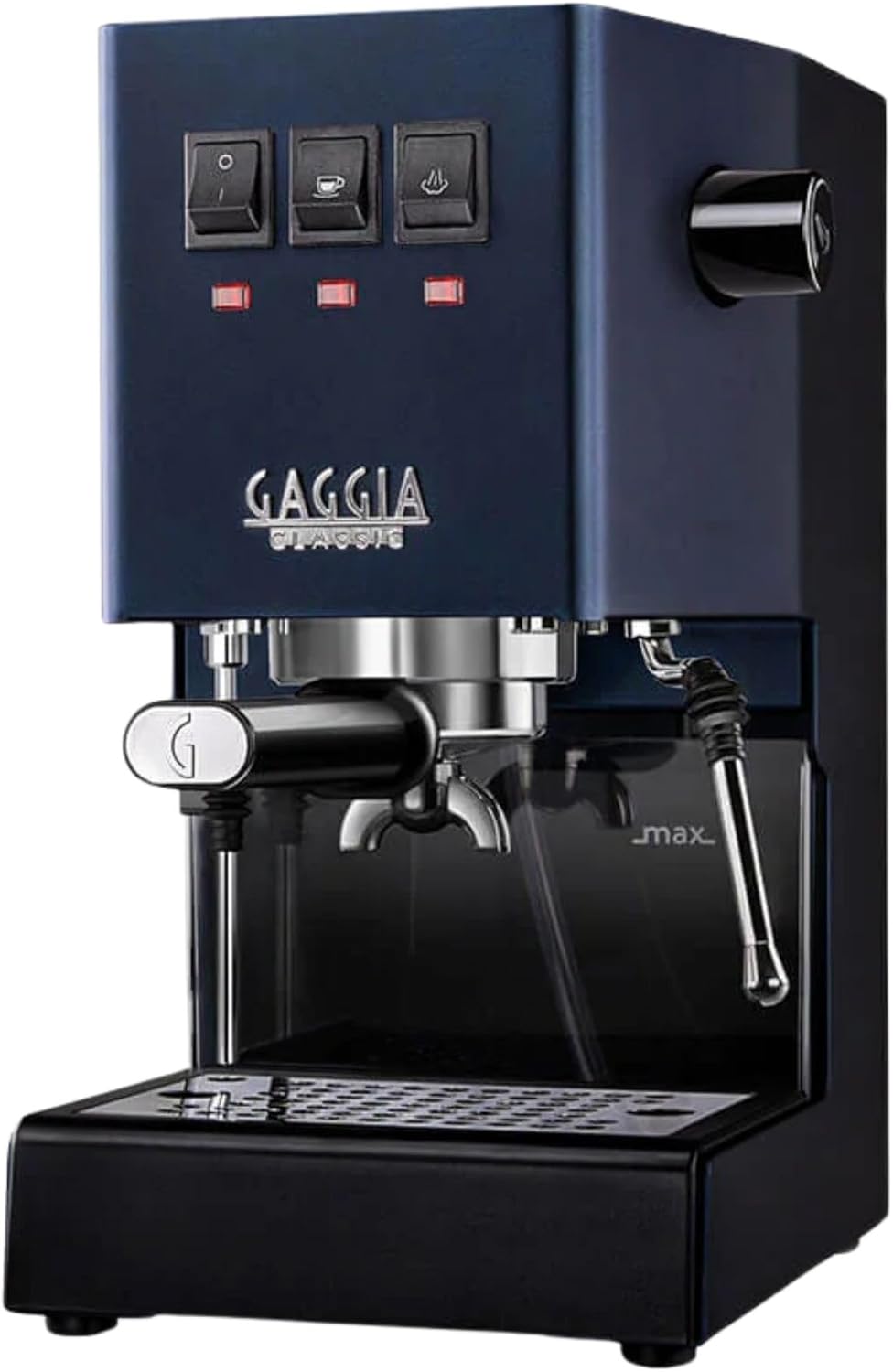
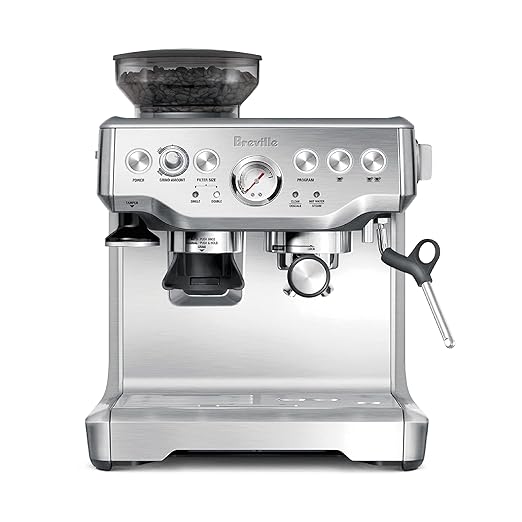
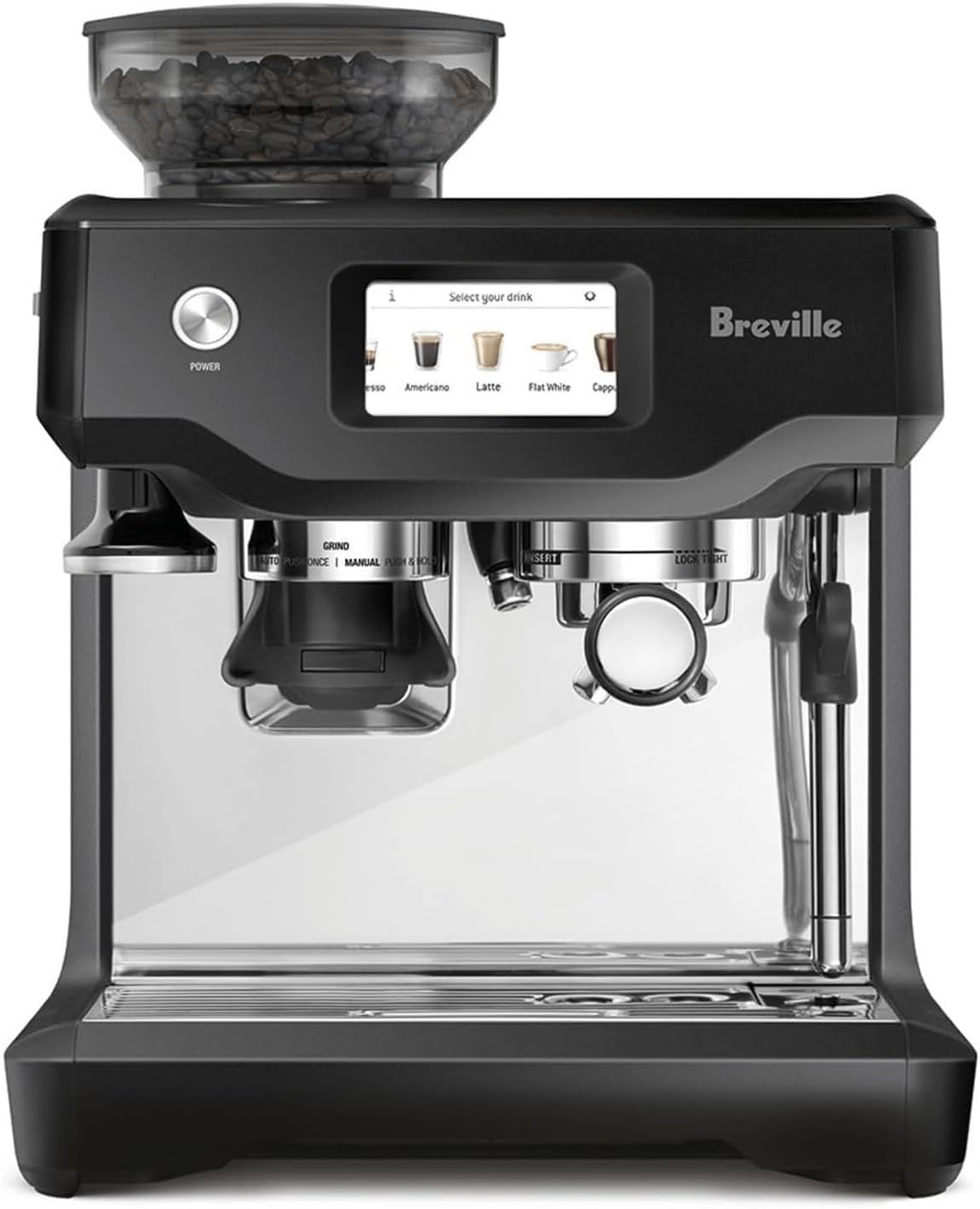
Breville Barista Express (BES870XL)
The Barista Express remains the most popular gateway prosumer machine because it gives you a 54mm portafilter, 15-bar pump, PID-controlled thermoblock, and steam wand for under $700. While it has a built-in conical grinder, many Specialita owners simply leave it disengaged and use the Specialita's superior flat burrs for espresso, reserving the built-in for backup. The single boiler heats fast and the steam wand pulls genuine microfoam. View the Breville Barista Express on Amazon.
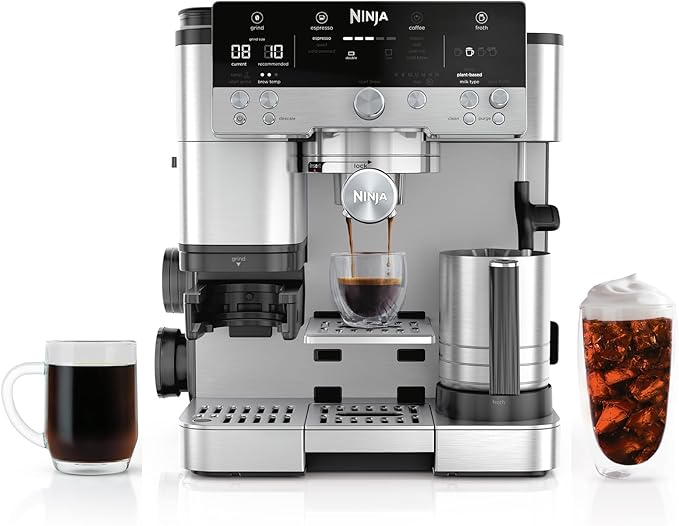
Ninja Luxe Café Premier 3-in-1
For 2026 buyers wanting an all-in-one with automated milk and assisted dial-in, the Luxe Café Premier delivers 19-bar extraction, dual-temperature steam, and a guided pressure dashboard that pairs well with the consistent doses your low-retention Specialita now produces. Check the Ninja Luxe Café Premier on Amazon.
Quick Comparison
| Machine | Pressure | Portafilter | Best For |
|---|---|---|---|
| Breville Barista Express | 15 bar | 54mm | Manual single-dose workflow with the Specialita |
| Ninja Luxe Café Premier | 19 bar | Proprietary | Guided extraction + automated milk |
Common Mistakes When Modding a Specialita
Three errors I see repeatedly in home-barista forums:
- Too much water on RDT. More than one quick pulse and you'll clog the burr chamber with paste over time. If you can see beads of water on the beans, you've over-sprayed.
- Tap water in the spray bottle. Minerals in unfiltered tap water leave deposits inside the chamber after weeks of daily use. Always use distilled or filtered.
- Skipping the bellows because RDT "feels like enough." RDT addresses static; bellows address physical entrapment in the chute geometry. They solve different problems and both are needed for true sub-0.1g retention.
If you want to go further, some users open the Specialita's chute and apply a small piece of anti-static tape or a 3D-printed funnel insert. Those mods help but offer diminishing returns once RDT and bellows are dialed in.
How Much Difference Does This Make in the Cup?
Beyond cleaner dial-in, the taste difference is real. Stale retained grounds carry oxidized aromatics that mute the brighter top notes in light and medium roasts. Once your workflow is producing fresh grounds every shot, you'll notice clearer fruit acidity, more defined origin character, and crema that holds longer. For darker roasts the difference is subtler but still detectable in the finish, which becomes cleaner and less ashy.
For more on dialing in your espresso once retention is solved, see our guide to dialing in light roast espresso at home and our walkthrough on WDT tools and distribution techniques.
When the Mods Aren't Enough
If you've correctly applied bellows and RDT and still see retention above 0.3g, suspect one of three issues:
- Dirty burrs. Oils and fines build up over 30–50 lbs of beans. Run a grinder cleaner tablet or do a full burr removal and brush-out.
- Bent or loose anti-clump screen. Inspect that the screen sits flat over the chute. A warped screen creates dead zones.
- Worn burrs. After ~700 lbs (rare at home), the burrs lose edge and produce more boulders and fines, both of which trap unpredictably.
For deeper grinder maintenance walkthroughs, our Eureka Specialita cleaning guide covers the burr removal procedure.
Frequently Asked Questions
How much water should I use for RDT on a Eureka Specialita?
One short pulse from a fine-mist atomizer—roughly 0.05–0.10g of water for an 18g dose. The beans should look faintly damp but never wet. Over-spraying causes grounds to cake on the burrs and screen, defeating the purpose of low-retention grinding.
Will RDT damage my Eureka Specialita burrs over time?
No, when done correctly. Steel burrs are not harmed by the microscopic moisture introduced by a proper RDT spritz, and modern Specialita burrs are heat-treated and corrosion-resistant. Damage only occurs when users spray heavily, leaving puddled water that creates rust spots on the lower burr carrier over months. Stick to a single pulse and you'll be fine for the grinder's life.
What size bellows fits the Eureka Specialita chute?
A standard 58mm puck-style silicone bellows works on the spout opening with hand pressure. Some users prefer a smaller 54mm bellows that nestles directly into the chute mouth for a tighter seal. Either size works—the geometry of the Specialita's plastic spout accommodates both.
Can I use the bellows without RDT?
You can, but static will still cause grounds to cling stubbornly to the chute walls and screen. Bellows alone reduces retention by maybe 30–40%; the combination with RDT gets you to 90%+ reduction. They address different physics and work best together.
Does RDT work with oily dark roast beans?
Yes, though the effect is smaller since oily beans already carry less static. The bellows step becomes more important for dark roasts because oily fines cling to plastic mechanically rather than electrostatically. If you exclusively pull dark roasts, prioritize the bellows mod and treat RDT as optional.
How long does the RDT-and-bellows mod last between maintenance cleanings?
Roughly the same intervals you'd already use—about every 4–6 weeks for daily home use, or every 5–8 lbs of beans. The mods don't accelerate fouling. Some users actually report cleaner burr chambers because consistent moisture and bellows airflow prevent dry static-glued buildup.
Is the Eureka Specialita still worth buying in 2026 if it needs these mods?
Yes. Even with the mods accounted for, the Specialita delivers near-Mignon-Specialita flat-burr quality at a price hundreds below comparable single-dose grinders like the Niche Zero or DF64v. Once modded, retention competes with grinders twice the price, and the 55mm flat burrs produce excellent espresso for everything from light Ethiopian filter roasts to traditional Italian blends.
Bottom Line
For about $20 in parts and ten minutes of routine adjustment, you can reduce retention Eureka Specialita with bellows and RDT to functionally zero. The bellows handles physical entrapment in the chute geometry, RDT neutralizes the static that traps fines on plastic surfaces, and together they turn the Specialita from a frustrating café-style grinder into a precise single-dose tool that rivals dedicated single-dose grinders costing three times more. Pair it with a quality espresso machine, keep your spray bottle filled with filtered water, and your dial-in process becomes the predictable, responsive workflow espresso was always meant to be.
Key Takeaways
- Choosing the right reduce retention Eureka Specialita with bellows and RDT means matching capacity and output ports to your actual devices
- Always check actual watt-hours (Wh), not just watts — runtime depends on Wh, not peak output
- Also covers: Eureka Specialita retention fix bellows
- Also covers: RDT Eureka Specialita static
- Also covers: Specialita grinds clumping fix
- Compare price-per-Wh across models to find the best value for your budget