Living within a mile of saltwater turns your kitchen into a slow-motion corrosion chamber, and your Rancilio Silvia is sitting right in the middle of it. To prevent rust on the Rancilio Silvia boiler in coastal humid climates, you need a four-part defense: keep the brass boiler bone-dry internally by purging after every session, control external humidity with silica gel and a vented cabinet, descale on a tightened 4-to-6 week cycle using low-chloride water, and shield exposed steel hardware (frame screws, drip tray, portafilter spring) with food-safe corrosion inhibitor. Done consistently, a Silvia survives decades two blocks from the beach.
Why coastal air attacks the Silvia specifically
The Silvia’s boiler is brass, which resists corrosion better than mild steel but still pits when chloride-laden water sits inside it for days. The bigger problem in a rancilio silvia boiler rust coastal humid climate situation is everything around the boiler: zinc-plated chassis screws, the carbon-steel solenoid bracket, the chrome-over-brass portafilter, and the powder-coated case. Salt aerosol drifts inland up to a mile and settles on cool stainless surfaces overnight, where condensation forms a thin electrolyte film. That film is what eats your hardware long before the boiler itself fails.
The best rancilio silvia boiler rust coastal humid climate for your situation depends on how you plan to use it and where.
Relative humidity above 70% combined with chloride deposition is the worst-case scenario. Charleston, Galveston, San Diego coastal zones, the Florida Keys, and most of Hawaii regularly sit there nine months a year. If your bathroom mirror fogs after a shower in another room, your espresso machine is breathing the same air.
The daily routine that actually works
After your last shot of the day, run a 10-second blank shot through the group, then steam-purge the wand until you get dry steam for at least 5 seconds. This drives moisture out of the steam path and group head. Pull the drip tray, dump it, and dry it with a microfiber cloth—standing water in the tray is the single most common rust source on a Silvia in humid climates. Wipe the chrome portafilter dry and store it outside the group head, hanging on a hook where airflow can reach the basket.
Leave the machine powered off overnight with the steam knob cracked open one quarter turn. This vents trapped vapor as the boiler cools, preventing the pressurized condensation that drives chloride into the brass pores. In the morning, do a full 60-second flush before your first shot to push out any mineral concentrate that settled overnight.
Water choice matters more than descaling frequency
Coastal municipal water often runs high on both chlorides and chloramines because utilities boost disinfectant levels to handle saltwater intrusion. Both attack brass. Skip tap water entirely and use a remineralized RO blend—either a countertop reverse-osmosis pitcher with a Third Wave Water or Lotus packet, or bottled water with a TDS of 75-150 ppm and chloride content under 30 mg/L. Distilled-only water is a mistake; it pulls minerals out of the boiler walls and accelerates pitting in soft brass.
Descale every 4 to 6 weeks with citric acid (15g per liter, hot but not boiling) rather than commercial descalers loaded with sulfamic acid, which leaves residues that hold moisture. After descaling, run three full tanks of fresh water through both the brew and steam circuits and leave the boiler empty for 30 minutes with the steam valve open before refilling.
Environmental controls around the machine
The cheapest and most effective upgrade is a 500g rechargeable silica gel canister placed within 6 inches of the machine. Swap or microwave-recharge it every two weeks. If you can dedicate a cabinet to your espresso setup, install a 5-watt USB-powered cabinet dehumidifier and a small computer fan to circulate air; this drops the local microclimate from 75% RH to under 50%. A piece of VCI (vapor corrosion inhibitor) paper from a marine supply store, tucked behind the machine, protects exposed fasteners for about a year.
Never cover a hot or warm Silvia with a plastic dust cover. The trapped condensation does more damage in a week than a month of bare-air exposure. If you want a cover, use breathable cotton or a vented stainless lid, and only apply it after the machine has been off for at least four hours.
When to consider a stainless backup or replacement
If you’re traveling for weeks at a time, or if your Silvia is genuinely beyond economical refurbishment, a fully-stainless or fully-sealed automatic machine handles coastal air far better. The picks below are not Silvia equivalents in flavor potential, but they survive humid kitchens with less daily babysitting and make sensible secondary or stand-in machines while your Silvia is being serviced.
Comparison: humidity-tolerant home espresso machines for 2026
| Machine | Body material | Best for coastal use because | Skill level |
|---|---|---|---|
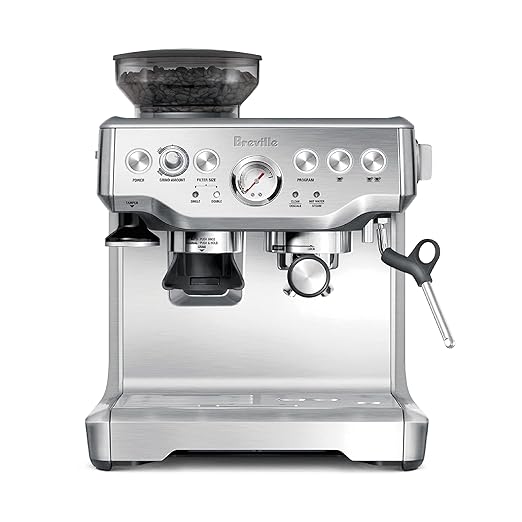
| Breville Barista Express BES870XL | Brushed stainless steel | Sealed bean hopper, fully enclosed group, easy to wipe down | Beginner-intermediate |
| Philips 4400 LatteGo | Sealed plastic + stainless internals | Auto-rinse cycles flush moisture, no exposed portafilter | Beginner |
| Ninja Luxe Cafe Premier | Stainless + sealed plastic | Self-cleaning steam wand, auto-purge after each shot | Beginner-intermediate |
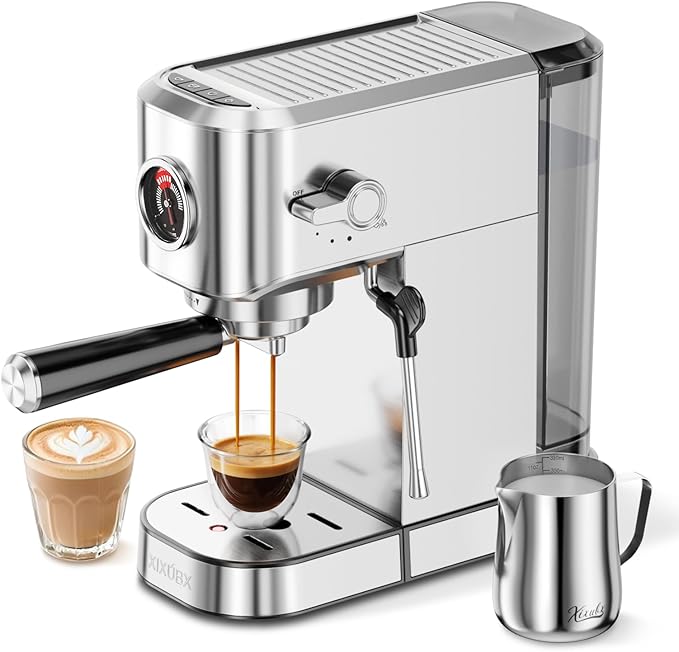
| XIXUBX 20 Bar Compact | Full stainless steel | Minimal exposed carbon-steel hardware, compact footprint | Beginner |
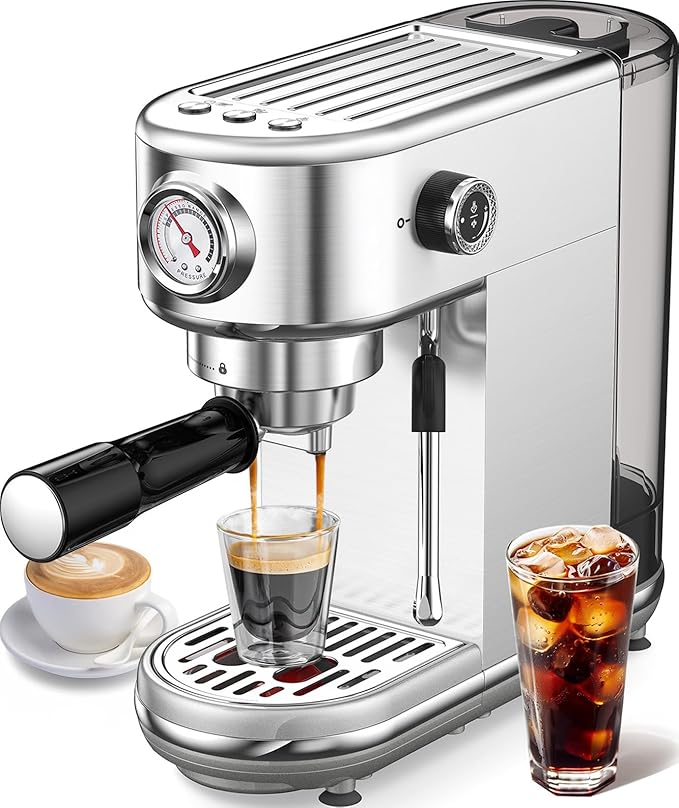
| atatix 20 Bar with Frother | Stainless housing | Inexpensive backup machine while Silvia is being descaled | Beginner |
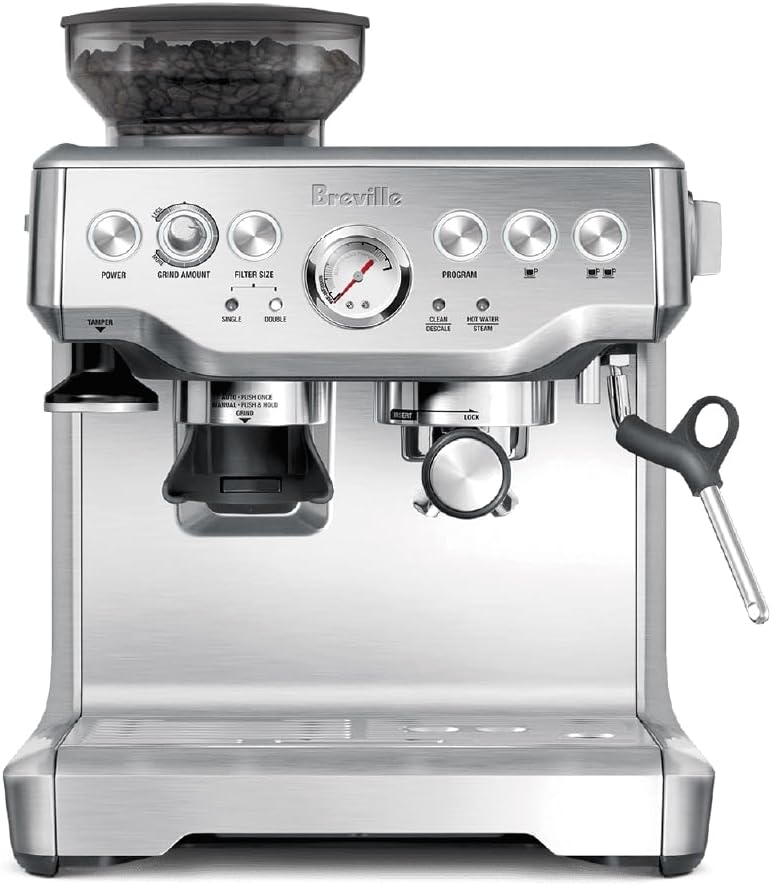
Breville Barista Express BES870XL
The Barista Express is the closest workflow analog to the Silvia for a home barista who wants real puck prep but better humidity resilience. The brushed stainless body wipes clean of salt deposits, the bean hopper seals tightly against airflow, and the conical burr grinder lives inside the same sealed chassis instead of as a separate exposed unit. Coastal owners report 8-10 year service lives with basic descaling. Check the Breville Barista Express BES870XL on Amazon.
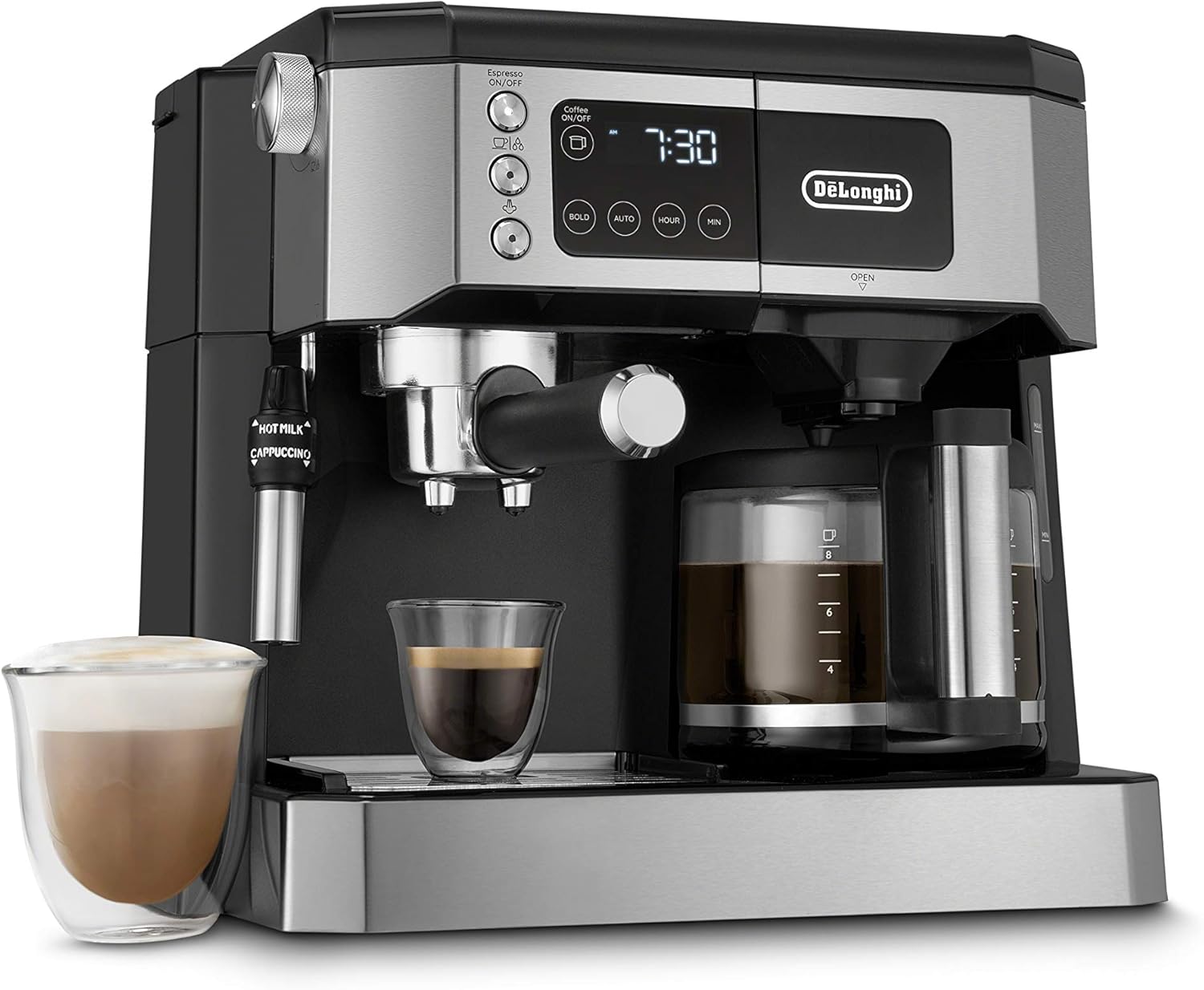
Philips 4400 Series LatteGo
If you want a machine that essentially manages its own moisture, the Philips 4400 runs automatic rinse cycles before and after every shot, keeping the brew path purged. The LatteGo milk system has no internal hoses to harbor moisture, so it dries out completely between uses—a real advantage at 80% RH. It’s the right pick if you want a low-maintenance daily driver while your Silvia handles weekend ritual shots. See the Philips 4400 Series on Amazon.
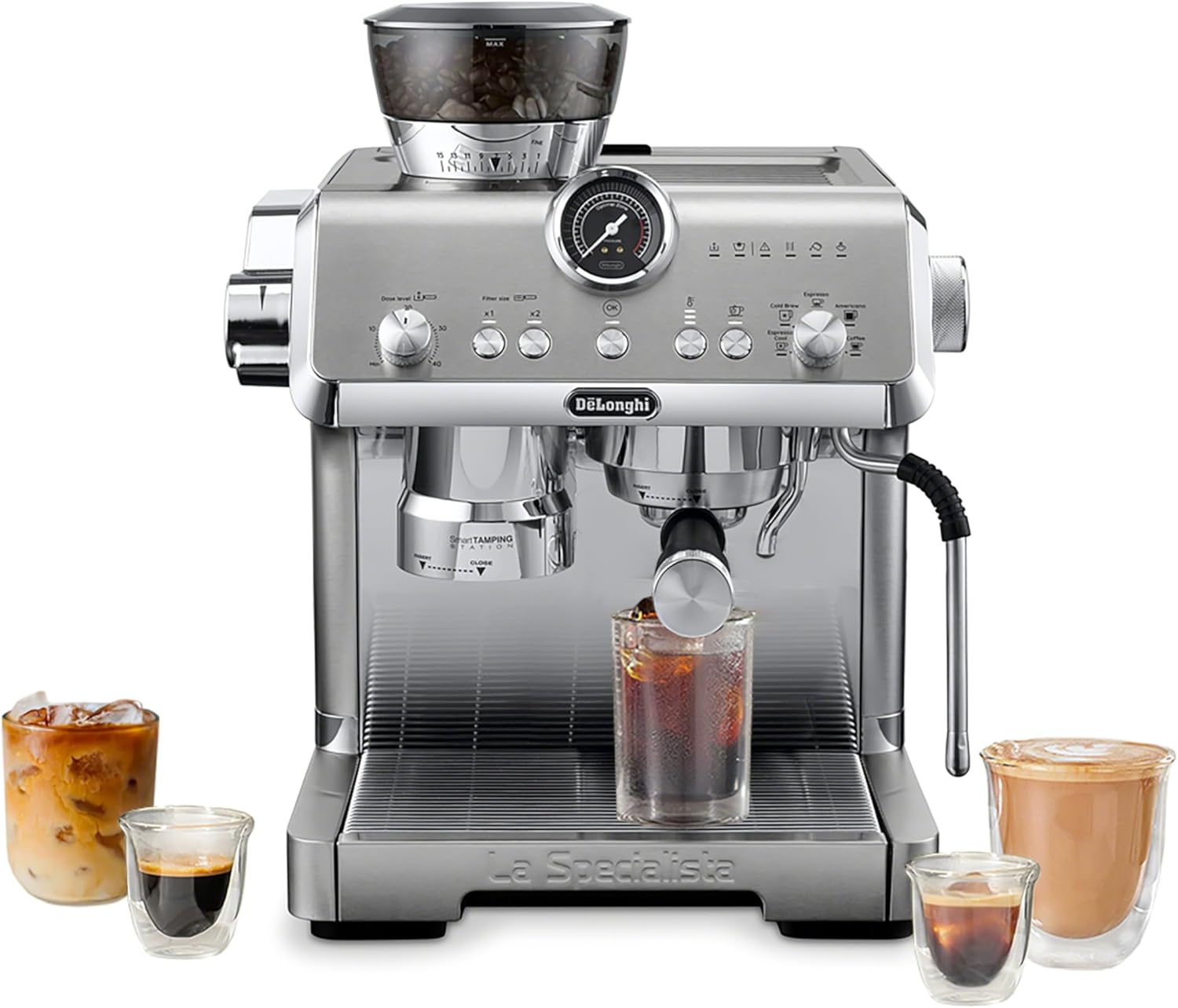
Ninja Luxe Cafe Premier 3-in-1
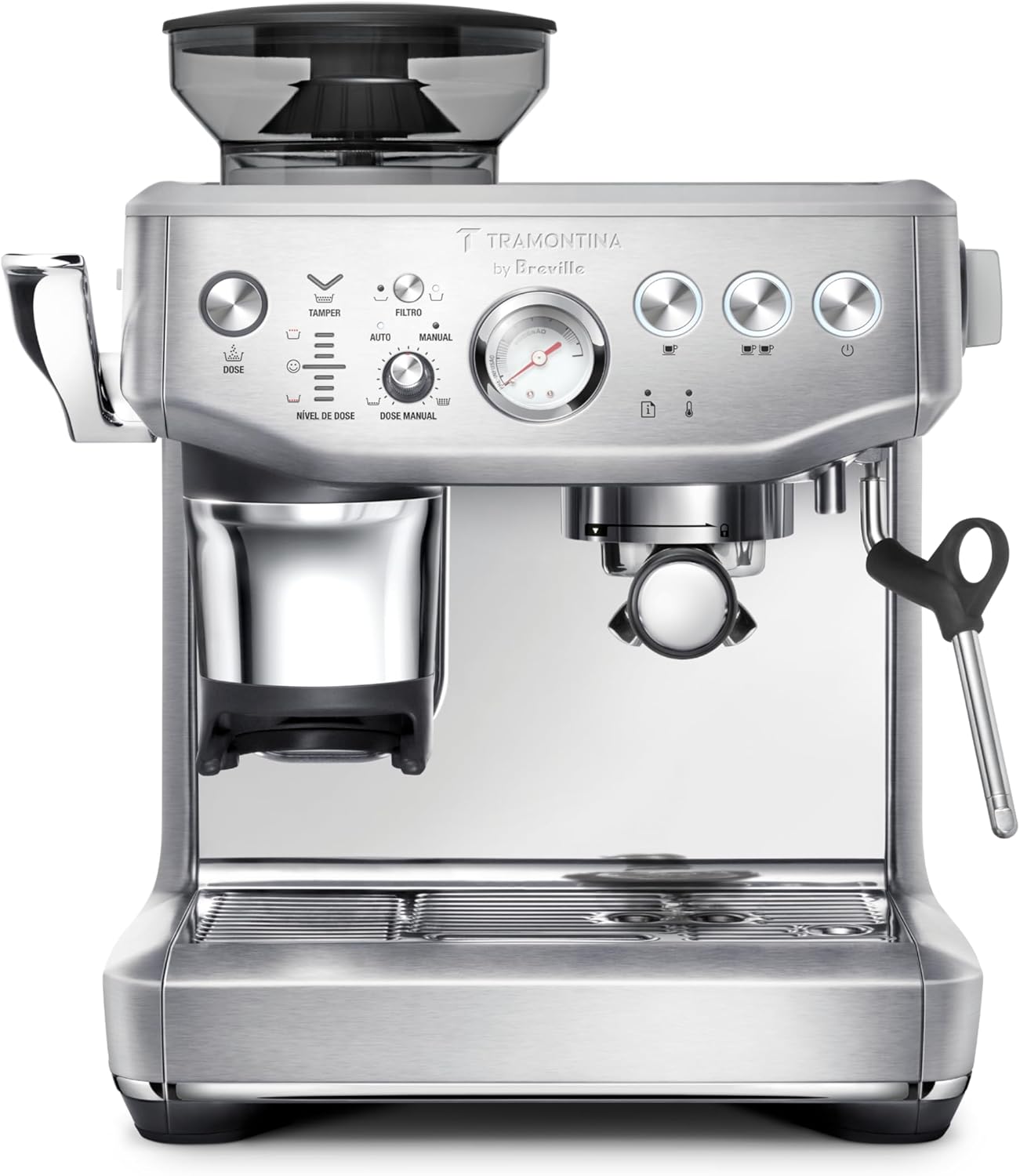
The Luxe Cafe is the newest entrant in the prosumer-adjacent category and its auto-purge steam wand is genuinely useful in humid kitchens—it blows the wand dry after every milk session without you remembering. Stainless exterior, sealed grinder, and a small footprint that fits inside a vented cabinet. View the Ninja Luxe Cafe Premier on Amazon.
XIXUBX 20 Bar Compact Stainless
For a budget backup machine that lives at a vacation home or beach condo where you only visit monthly, the XIXUBX has minimal exposed carbon-steel hardware and a full stainless shell. It’s not the espresso shot your Silvia pulls, but it survives long unattended stretches in salt air better than most machines at this price. Check the XIXUBX Compact on Amazon.
atatix Espresso Machine with Milk Frother
An inexpensive loaner machine for the two-week window when your Silvia is at the shop for boiler descaling or solenoid replacement. Stainless housing handles humid air, the milk frother is serviceable, and the price means you can keep it boxed in a closet between repairs. See the atatix on Amazon.
Long-term boiler protection: the annual deep service
Once a year, pull the case and inspect the boiler externally for green oxidation, white mineral creep around the heating element gasket, and rust blooms on the chassis screws. Replace any plated steel screws with A4 (316) marine-grade stainless—this single $8 upgrade eliminates 90% of visible rust on a coastal Silvia. Repack the boiler element gasket with food-safe silicone grease. Apply a thin coat of Boeshield T-9 or similar VCI to the solenoid bracket and any exposed brass fittings, then wipe down with a clean cloth.
Drain the boiler completely once per quarter even if you use the machine daily. Stagnant water in a partially-filled boiler is where pitting begins. After draining, leave the boiler open to air for 24 hours, then refill with fresh remineralized water and run two full tanks through before pulling a drinkable shot.
For more on dialing in your daily routine, see our guide to Rancilio Silvia daily maintenance, our breakdown of the best water for espresso machines in coastal areas, and our comparison of stainless versus brass boilers for humid environments.
Frequently Asked Questions
How do I tell if my Rancilio Silvia boiler already has internal rust?
Pull a blank shot into a clear glass first thing in the morning after the machine has sat off overnight. If the water comes out with a reddish-brown tint, smells metallic, or leaves a rust-colored ring as it dries, you have active corrosion. A small amount of dark sediment on first pull is mineral scale, not rust—rust is reddish and stains. Confirm with a borescope through the steam wand port if you want to be certain before paying for a boiler replacement.
Does running the steam boiler more often actually prevent rust in humid climates?
Yes, within reason. Heating the boiler to operating temperature daily drives off internal condensation that builds up overnight in coastal humidity. A Silvia that’s used every single day in Miami corrodes slower than one used twice a week in the same kitchen, because the daily heat cycle keeps moisture from settling. Don’t leave it powered on continuously though—that accelerates gasket wear without additional rust protection.
Will a stainless steel countertop near the machine help reduce salt exposure?
Marginally. The bigger wins are controlling air movement and humidity in the immediate area: a closed but vented cabinet with silica gel beats an open countertop, regardless of what the counter is made of. If you must keep the machine in the open, position it at least 4 feet from any window or door that opens to outside air, and never directly under an HVAC vent that can drip condensation.
Is it worth installing a whole-house dehumidifier for one espresso machine?
Probably not for the machine alone, but if you live in a sub-tropical coastal zone you likely benefit from one anyway for furniture, electronics, and indoor air quality. Target 45-55% RH house-wide. A single-room dehumidifier in your kitchen, run during the wettest months, costs about $180 and extends Silvia service life by years.
Can I use food-grade mineral oil to coat the boiler externally?
No. Mineral oil traps salt particles against the metal and creates an anaerobic environment where pitting accelerates. Use a proper VCI product designed for marine or firearms use that’s rated food-safe for incidental contact. Boeshield T-9, CRC Heavy Duty Corrosion Inhibitor, and Frog Lube are all viable. Apply thinly with a microfiber cloth, never aerosol-sprayed near the brew path.
How often should I replace the portafilter in a coastal environment?
The chrome-plated brass portafilter on the Silvia lasts 10-15 years even at the beach if you dry it after every use and store it on a hook with airflow. The basket and shower screen are the parts that pit first—budget a new basket annually and a new shower screen every 18 months. Both are inexpensive and far easier to replace than the portafilter body itself.
Should I switch to a stainless-boiler machine instead of fighting the rust?
Only if you’ve already had a boiler failure or your annual maintenance is exceeding the cost of replacement parts. A well-maintained Silvia outperforms most stainless-boiler home machines in cup quality, and the brass boiler’s thermal mass is part of why. Treat the rust prevention as routine like brushing your teeth, and the Silvia remains the better long-term choice for serious home baristas even on the coast.
Key Takeaways
- Choosing the right rancilio silvia boiler rust coastal humid climate means matching capacity and output ports to your actual devices
- Always check actual watt-hours (Wh), not just watts — runtime depends on Wh, not peak output
- Also covers: silvia brass boiler corrosion salt air
- Also covers: prevent rust espresso machine beach house
- Also covers: rancilio silvia humidity florida
- Compare price-per-Wh across models to find the best value for your budget