If you own a Profitec Pro 600, knowing how to backflush Profitec Pro 600 properly is the single most important maintenance habit you can build—and the most likely to damage your E61 group if rushed. The lever can seize when residual pressure traps the cam against the piston, usually because the brew lever was raised before the boiler fully recovered or before the backflush detergent fully cleared. The fix is procedural, not mechanical: respect the pressure cycle, use the included blind basket, dose detergent conservatively, and lubricate the cam shaft on schedule. Done right, the routine takes under three minutes and adds years to your group seals.
What backflushing actually does on the Pro 600
The E61 group head on the Profitec Pro 600 routes brew water through a three-way solenoid valve. During extraction, hot water is pushed down through the puck. When you drop the lever at the end of a shot, pressure dumps backward through that solenoid to the drip tray. Backflushing exploits this reverse flow: with a blind basket installed in the portafilter, water can't push forward through coffee, so it sloshes back through the shower screen, mushroom, lower cam chamber, and solenoid—carrying oils, fines, and stale water out to the drain.
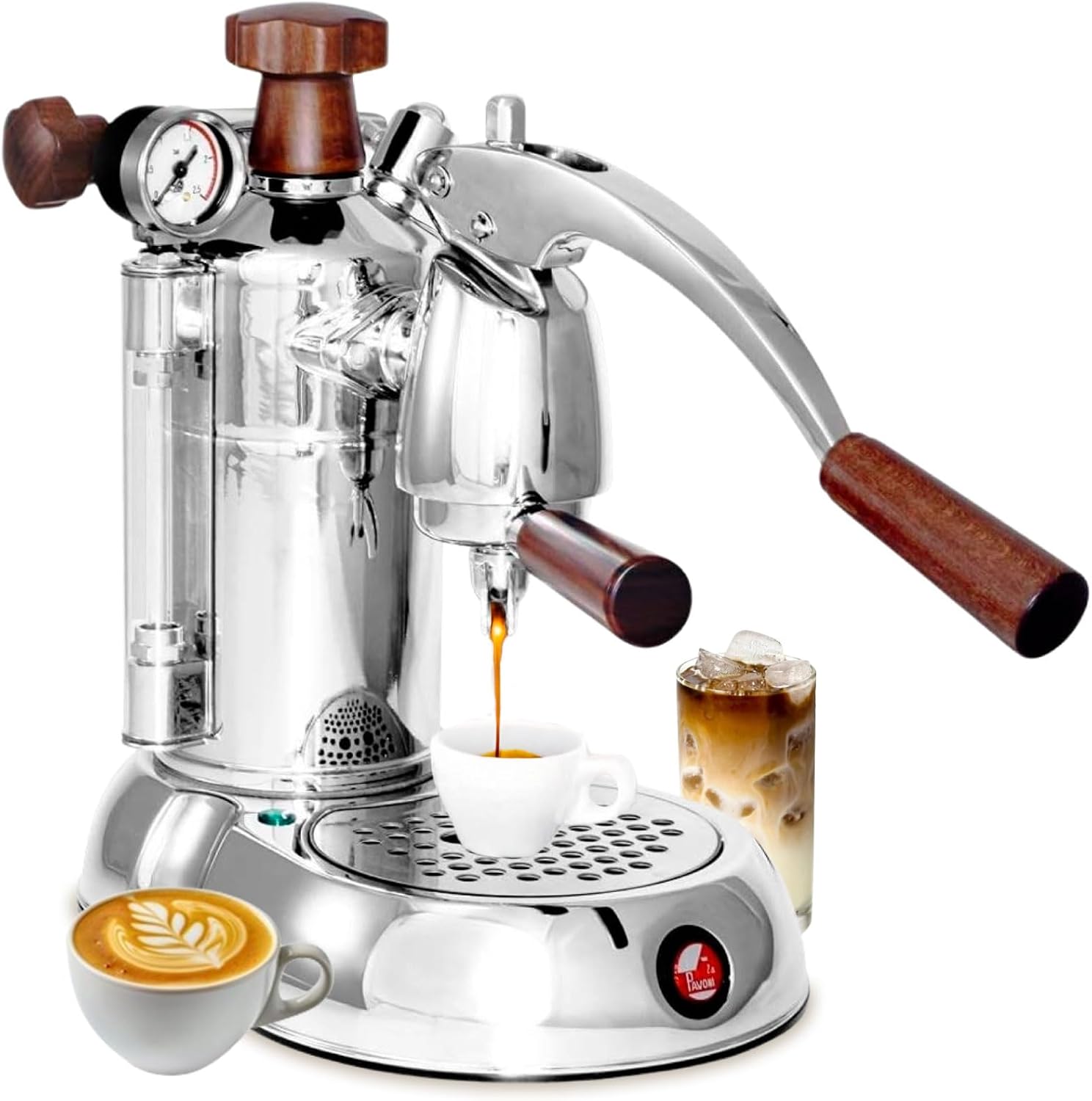
That same mechanism is exactly what makes the lever seize when you skip steps. Hot pressurized water against a closed cam is a hydraulic lock, and a hydraulic lock against the bronze cam bushings of an E61 is how owners end up emailing their dealer about a stuck handle.
Why the E61 lever seizes (and how to spot it early)
Three causes account for nearly every seized lever I have helped diagnose:
- Hydraulic lock. Lifting the lever while the upper chamber is still pressurized forces the cam against water that has nowhere to go.
- Detergent gumming. Cafiza or a generic blind-basket detergent left in the upper chamber dries onto the cam shaft as a tacky film, especially in dry winter kitchens.
- Dry cam shaft. Without periodic food-safe grease, the bronze bushings bind under repeated heat cycles. Most Pro 600 groups want a re-lube every 6–9 months under daily home use.
Early warning signs before a true seize: a notchy feel when raising the lever, a faint squeak at the top of the stroke, or the lever drifting back down on its own a second after you release it. Stop and lubricate before you push through resistance—forcing a partially seized cam is what cracks the chrome plating on the lever bolt.
How to backflush Profitec Pro 600: the step-by-step
What you actually need
- 18 g blind (rubber) basket—the Pro 600 ships with one in the accessory box
- Cafiza, Urnex, or Pulycaff backflush detergent
- A small measuring spoon (1/4 teaspoon is the sweet spot)
- Microfiber cloth
- Timer (phone is fine)
- Molykote 111 or food-grade silicone grease (for the quarterly re-lube, not every backflush)
The clean-water cycle (do this first)
- Pull a normal shot first to bring the group to full temperature. A cold E61 backflushes badly because the water never reaches the solvency needed to lift oils.
- Knock out the puck, wipe the basket, and swap to the blind basket. Lock the portafilter in firmly but not gorilla-tight.
- Raise the brew lever for 8 seconds, then lower it. You will hear the three-way solenoid release pressure to the drip tray—this is normal and is the sound you want to memorize. It means pressure is gone.
- Wait 4–5 seconds for full pressure release before raising again. This is the step most owners skip and it is the single biggest cause of a seizing lever.
- Repeat the 8-on / 5-off cycle five times with plain water.
The detergent cycle
- Unlock the portafilter, tip out any water, and add 1/4 teaspoon of Cafiza to the blind basket. Resist the urge to dump in more—excess detergent is harder to rinse and is what crusts onto the cam shaft.
- Lock the portafilter back in.
- Run the same 8-on / 5-off cycle three times. You will see brown, oily water draining from the group exhaust into the drip tray. That is exactly the gunk you wanted out.
- Remove the portafilter, rinse the blind basket thoroughly under hot tap water, and reinstall it empty.
- Run the 8-on / 5-off cycle five more times to flush all detergent residue. Stop only when the drain water runs clear.
The shutdown that prevents seizing
- After the final cycle, leave the lever down for 30 seconds with the blind basket still installed. This lets residual chamber pressure equalize.
- Remove the portafilter, pull one short flush with a clean basket to clear the shower screen, and wipe the group gasket with a microfiber.
- Every 8–12 weeks, after the group has cooled, drop a pea-sized amount of Molykote 111 onto the cam shaft where it enters the upper group body. Work the lever up and down 5–6 times cold to distribute it. This single habit prevents 90% of seizing complaints.
How often should you backflush a Pro 600?
For typical home use—two to six shots per day—plain-water backflushing once a day and a detergent backflush once per week is the sweet spot in 2026. Heavier users (a small office Pro 600, 15+ shots a day) should do detergent backflushes every other day. Anything more frequent wears the solenoid diaphragm without measurable benefit, and anything less risks oil buildup behind the mushroom that is much harder to remove later. For descaling—which is a separate process—follow our espresso machine descaling guide on a quarterly cadence if you are running soft or filtered water.
If the Pro 600 is more machine than you actually need
A surprising number of readers land on this guide while researching whether to buy a Profitec Pro 600 in the first place. The honest answer: if backflushing an E61 group sounds like a burden rather than a ritual, a heat-exchanger or single-boiler machine with a 3-way solenoid (or even a pressurized-basket starter) is probably a better match for your kitchen. Owning a Pro 600 means accepting the E61 maintenance schedule. There is no shortcut. For broader buying context, our Pro 600 vs Pro 700 comparison covers when the dual-boiler upgrade is worth it.
For readers who came here from a different rabbit hole and want a no-backflush-required starting point, here are two machines that handle daily cleaning automatically or near-automatically:
| Machine | Cleaning workflow | Best for |
|---|---|---|
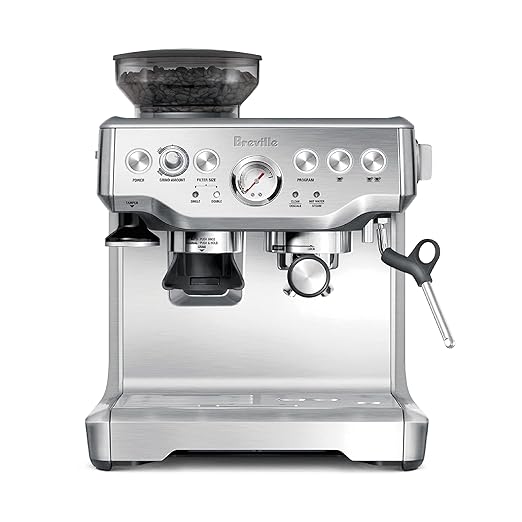
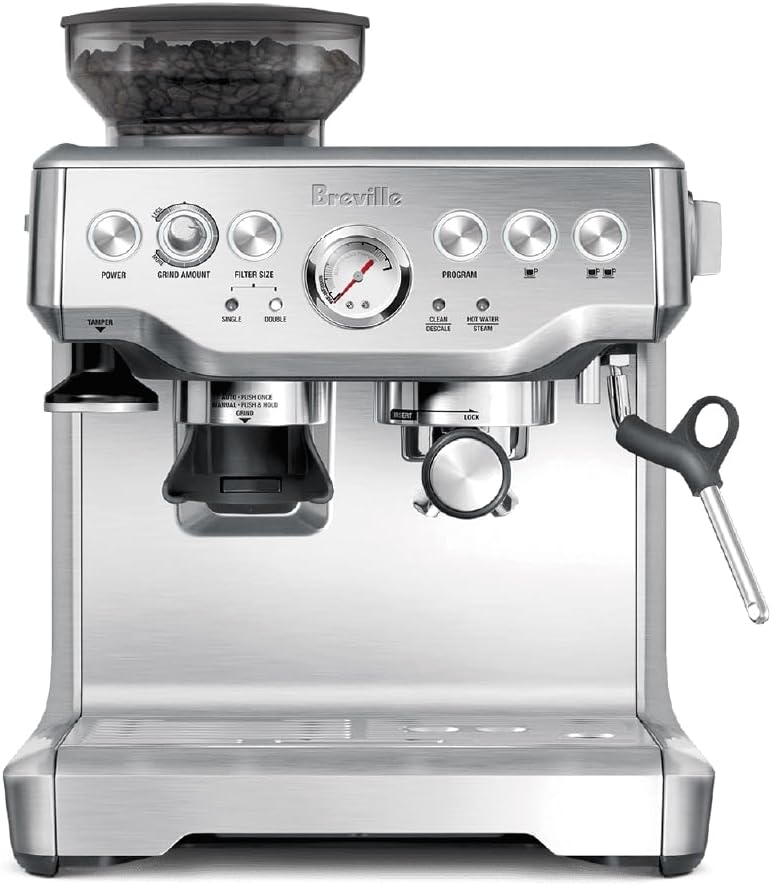
| Breville Barista Express | Built-in cleaning cycle with included cleaning disc and tablets; on-screen prompts | Single-boiler convenience without manual blind-basket timing |
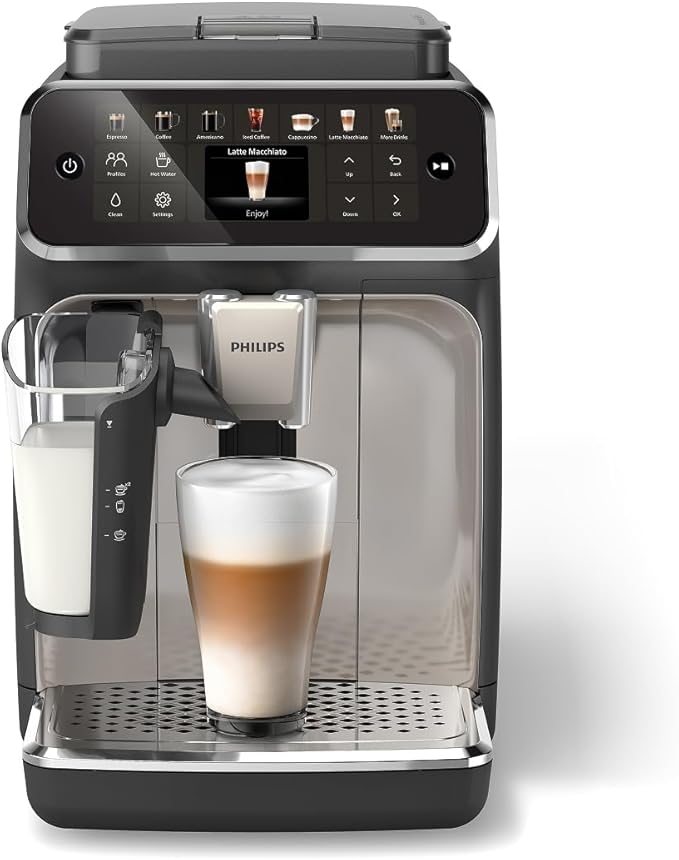
| Philips 4400 Series | Fully automatic AquaClean filter cycle; no manual backflush required | Owners who want espresso without any cam-shaft maintenance |
| Ninja Luxe Cafe Premier | Guided cleaning routine via on-machine prompts | Households mixing espresso, cold brew, and milk drinks |
Breville Barista Express BES870XL
If you decide the Pro 600 maintenance curve is steeper than you want, the Barista Express is the most forgiving step down that still teaches real espresso fundamentals. It has a guided cleaning cycle, a 54 mm portafilter that takes the same dosing logic as a 58 mm, and an integrated grinder that removes one variable. It will not match the Pro 600's thermal stability—nothing under $1,500 will—but you also will never seize an E61 lever on it. Check current pricing on Amazon.
Philips 4400 Series Fully Automatic
For the reader who genuinely just wants the cup and not the craft, the 4400 Series uses the AquaClean filter system to keep internal water paths clean for up to 5,000 cups without descaling, and its cleaning routine is fully automated. There is no portafilter, no blind basket, and no lever to seize. See the Philips 4400 on Amazon.
Common mistakes that cause Pro 600 lever seizing
- Using too much Cafiza. A heaped teaspoon is roughly 4x the dose. The excess dries onto the cam.
- Raising the lever too quickly between cycles. Listen for the solenoid release before lifting again.
- Skipping the post-detergent rinse cycles. Five plain-water cycles is the floor, not a suggestion.
- Never lubricating the cam shaft. Even a perfect backflush routine cannot replace mechanical lubrication.
- Using citric acid as a backflush detergent. Citric is for descaling, not for blind-basket cleaning. It can damage the solenoid diaphragm. Read more in our 2026 backflush detergent comparison.
Frequently Asked Questions
How do I free a Profitec Pro 600 lever that has already seized?
Power the machine off and let it cool completely—at least two hours. Remove the portafilter. With the group cool, gently rock the lever side to side; do not force it up. Apply a small amount of food-grade silicone grease at the base of the cam shaft and let it wick in for 10 minutes. Most partial seizes free at this point. If the lever still will not move, contact your authorized Profitec dealer before applying any more force—chrome chipping on the lever bolt is not a warranty repair.
Can I backflush a Profitec Pro 600 with just water and skip detergent?
Plain-water backflushing daily is fine and is what we recommend, but it does not dissolve coffee oils. Without weekly detergent cycles, oil polymerizes behind the mushroom and shower screen, eventually requiring a full group strip-down. Plain water is maintenance; detergent is cleaning. You need both.
What backflush detergent should I use on a Pro 600 in 2026?
Cafiza by Urnex remains the safe default and is what Profitec's own service guidance references. Pulycaff is equivalent. Avoid anything labeled "descaler" or containing citric/lactic acid for blind-basket use—those are for boiler descaling and will attack the brass and copper of the E61 group over time.
Why does my Pro 600 lever feel notchy halfway through the stroke?
Almost always a dry cam shaft or partial detergent residue. Do one extra plain-water backflush cycle, then re-lubricate the cam with Molykote 111 once the group has cooled. If the notchiness returns within a week, the upper o-ring may be hardening and is worth a preventive replacement.
How long should I run each backflush cycle on a Profitec Pro 600?
Eight seconds lever-up, five seconds lever-down. Shorter cycles do not generate enough reverse flow to lift oils; longer cycles stress the solenoid without added cleaning. The 8/5 rhythm matches what most E61 service techs recommend in 2026.
Do I need to backflush after every shot?
No. A single end-of-day plain-water backflush is enough for a home user pulling 2–6 shots. Backflushing between shots is overkill and accelerates solenoid wear. The exception is if you switch between very oily dark roasts and lighter roasts in the same session—a quick water-only flush between roast styles keeps flavors clean.
Can I use the Pro 600's backflush routine to clean the steam wand too?
No—those are separate systems. Backflushing only cleans the brew path through the E61 group. The steam wand needs its own cleaning: purge after every milk pitcher, wipe with a damp microfiber, and soak the tip in a milk-system cleaner (Rinza or Cafiza Milk) weekly. Keeping the two routines mentally separate prevents the most common cross-contamination mistake of running milk-cleaner through the brew path.
The bottom line
Knowing how to backflush Profitec Pro 600 correctly is mostly about discipline around two numbers: 8 seconds up, 5 seconds down, repeated patiently with the right dose of detergent and a clean rinse. Respect the pressure release cycle, lubricate the cam shaft quarterly, and your E61 lever will outlast the rest of your kitchen. Skip those steps and you will eventually meet a seized lever—an entirely preventable repair that I see far too often on otherwise pristine machines.
Key Takeaways
- Choosing the right how to backflush profitec pro 600 means matching capacity and output ports to your actual devices
- Always check actual watt-hours (Wh), not just watts — runtime depends on Wh, not peak output
- Also covers: profitec pro 600 backflush guide
- Also covers: profitec pro 600 e61 cleaning
- Also covers: backflush e61 lever stuck
- Compare price-per-Wh across models to find the best value for your budget