If you are running the eureka specialita two shots a day and nothing more, the short answer is yes, the Mignon Specialita is still a smart pick, but you need to adjust your workflow to deal with stale retained grounds, single dosing habits, and the burr seasoning curve. For a low volume drinker pulling exactly two shots daily, the Specialita rewards you with cafe-grade particle distribution, a stepless worm gear adjustment, and quiet operation that suits early mornings, provided you purge a small dose before the first pull and store beans properly between sessions.
Below is a complete breakdown of how the Specialita behaves at low volume, how to pair it with an espresso machine that matches your two-shot rhythm, and which alternatives make sense if you decide the Specialita is more grinder than your routine deserves.
When shopping for eureka specialita two shots a day, it pays to compare specs, capacity, and real-world runtime before committing.
Why low volume drinkers worry about the Specialita
The Eureka Mignon Specialita was engineered around 55mm flat steel burrs, a 260W motor, and a chute designed for cafe throughput. In a busy shop those burrs spin all day and grounds never linger. In a home kitchen where you pull two doubles between 6am and 7am and then walk away for 23 hours, that same chute and burr chamber become a parking lot for stale coffee dust. This is the central tension behind any eureka specialita two shots a day setup, and it shapes every other decision you make.
The good news is that the Specialita has relatively low retention compared to older Mignon models, generally cited around 0.5 to 0.8 grams. For a low volume drinker, this means you can use a weigh-in, weigh-out single dose workflow without dosing a full hopper, and you can purge a gram of bellow-pushed air before pulling your real shot. After about two weeks of consistent two-shot mornings, your grounds-in equals grounds-out within a tenth of a gram.
The two-shots-a-day workflow that actually works
The Specialita ships with a 300g bean hopper, but at 36 grams of beans per day you would be staring at week-old coffee by the time the hopper empties. The smarter approach is to remove the stock hopper, install a single dose bellows lid (an aftermarket part), and weigh each dose into the throat before grinding. This drops retention dramatically and lets you switch between a darker espresso roast for morning lattes and a brighter single origin for an afternoon shot without cross-contamination.
A typical morning rhythm looks like this. Weigh 18 grams of beans into a dosing cup. Pour into the Specialita throat. Pulse the timer twice with the bellows compressed to push grounds through. Tap the chute, swirl the dosing cup with WDT, tamp, lock in the portafilter, and pull. The whole sequence including milk steaming takes under four minutes for two shots back to back.
Pairing the Specialita with the right espresso machine
The Specialita is overkill for some machines and a perfect match for others. If you are going to invest in this grinder for the long haul, your machine should be capable of resolving the grind quality the burrs produce. Below is a comparison of machines that home baristas typically pair with a Specialita when they pull two shots a day.
| Machine | Best For | Boiler Type | PID | Two-shot warmup |
|---|---|---|---|---|
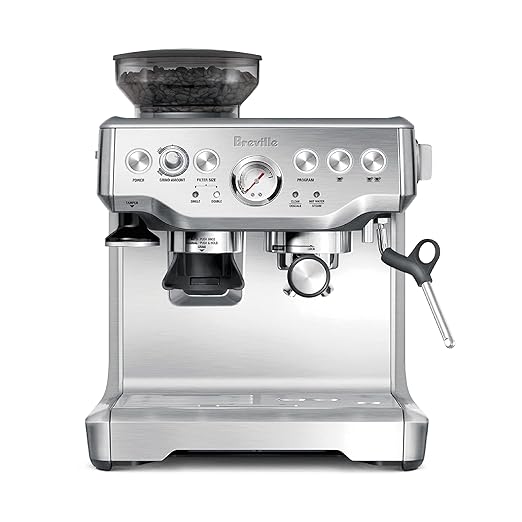
| Breville Barista Express BES870XL | Specialita owners who want a dedicated brew group | Single thermocoil | Yes | About 45 seconds |
| Ninja Luxe Cafe Premier | Hybrid users who want auto-frothing some mornings | Thermoblock | Auto | About 1 minute |
| Philips 4400 Fully Automatic | Households that also want bean-to-cup convenience | Thermoblock | Internal | Instant after preheat |
| atatix 20 Bar Espresso Machine | Budget pairing while you save for a prosumer machine | Single boiler | No | About 25 seconds |
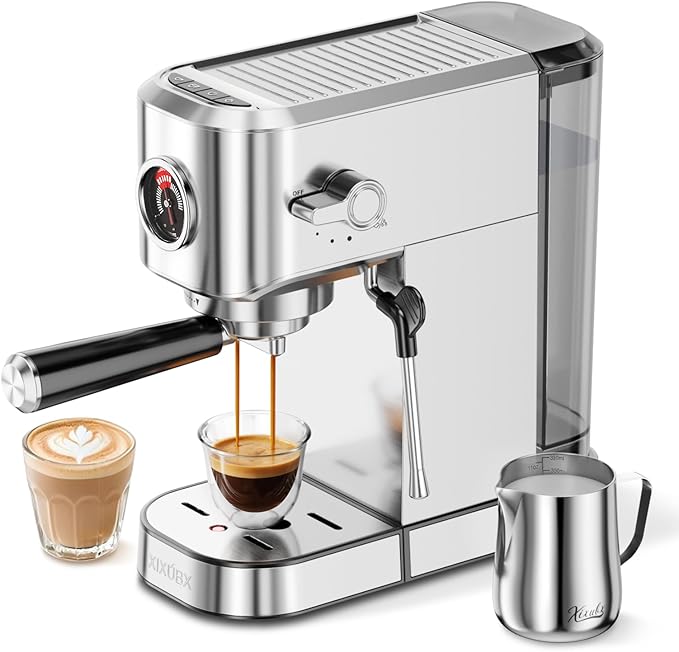
| XIXUBX Compact 20 Bar Stainless | Small counters and apartment setups | Thermoblock | No | About 30 seconds |
Top machine pairings for a Specialita two-shot routine
Breville Barista Express BES870XL
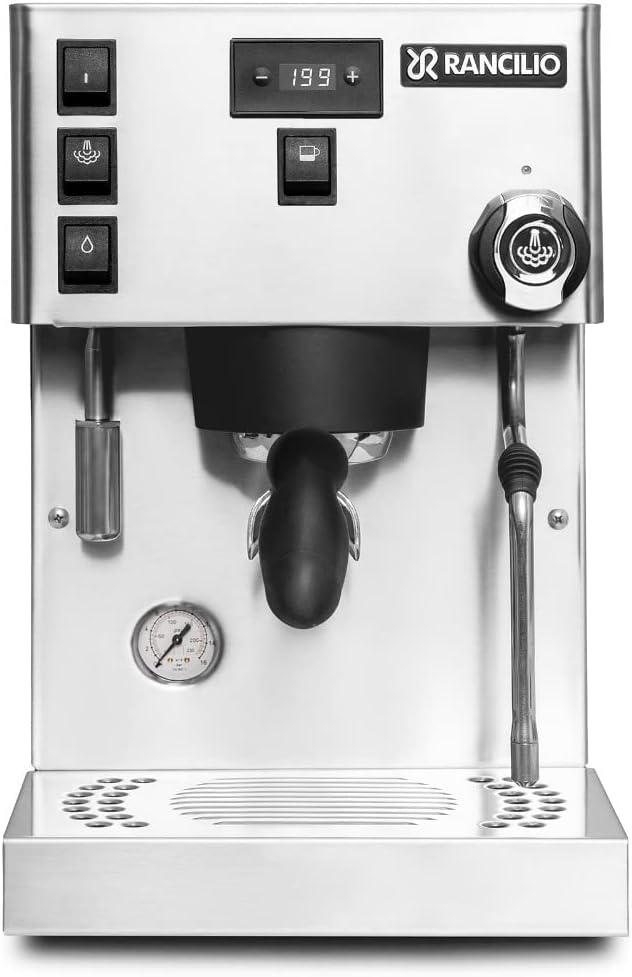
The most common pairing for Specialita owners, and for good reason. If you originally bought a Barista Express for the built-in grinder and then upgraded to the Specialita, you can simply lock the Breville hopper, ignore the integrated grinder, and use the brew group as a dedicated machine. The 54mm portafilter is a common compromise point, but with a precision basket and the Specialita feeding it, your two daily shots will pull in the 25 to 30 second range with the kind of tiger striping you used to only see from cafes. The Express also has a low entry cost on the second-hand market, making it a sensible long-term partner. Check the Breville Barista Express on Amazon.
Ninja Luxe Cafe Premier 3-in-1
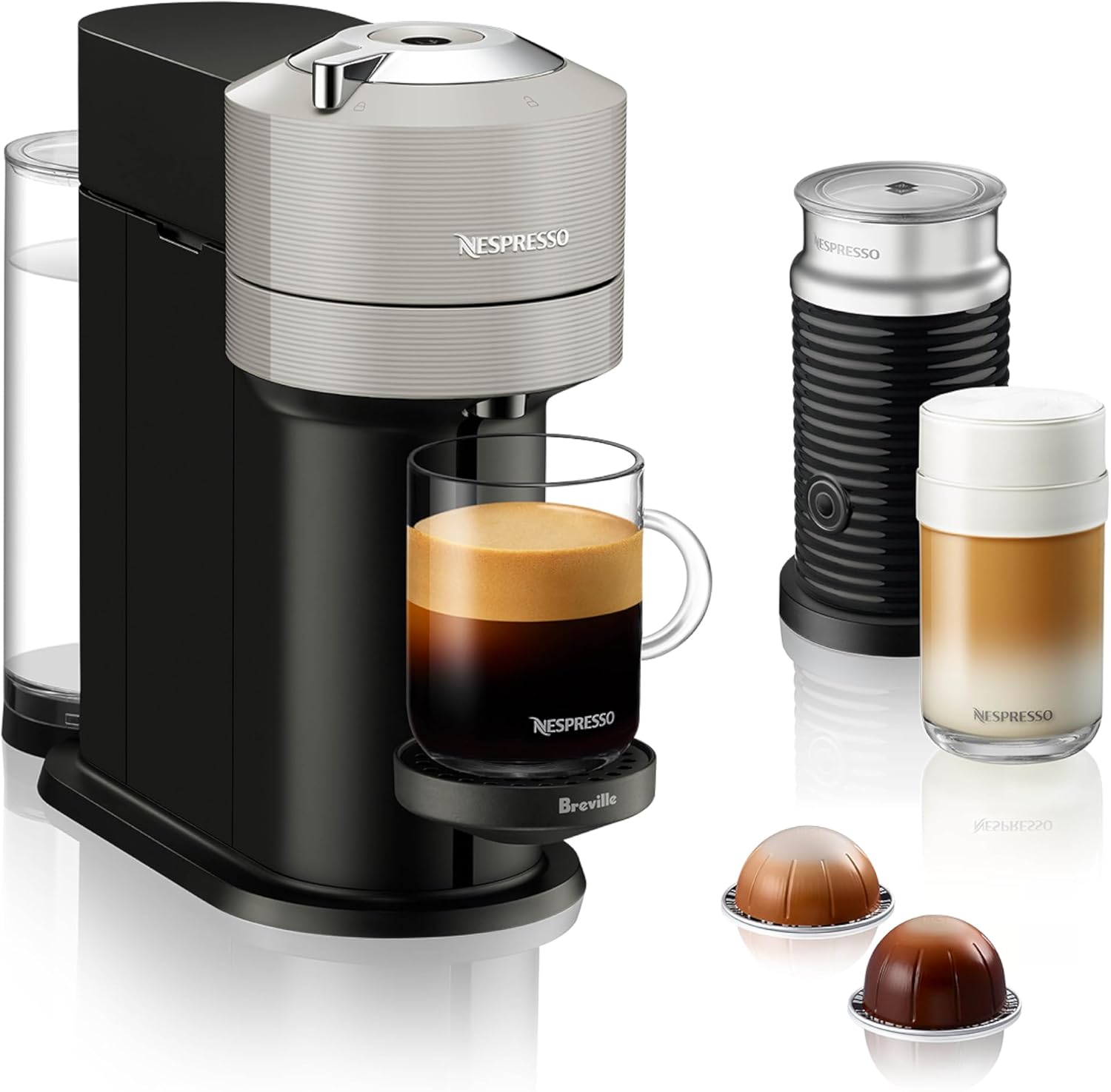
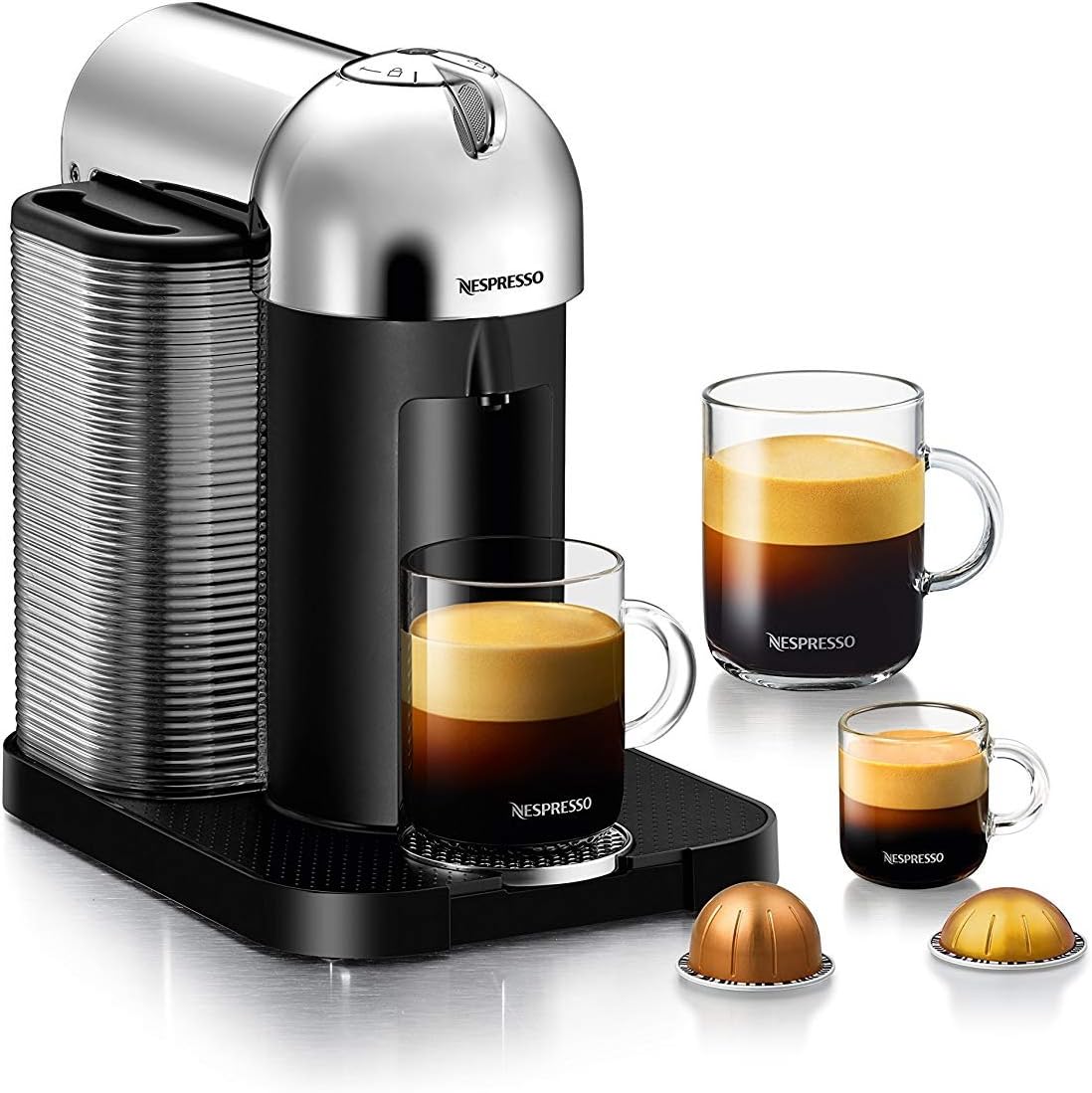
For drinkers whose two shots a day include one milk drink that needs to happen fast on weekday mornings, the Ninja Luxe Cafe Premier earns its place. The auto-frother handles milk while the Specialita does the grinding, freeing your hands. The Premier also offers cold brew and drip modes, which sounds gimmicky but actually adds value if your second daily shot is replaced by a cold brew during summer. Pair it with the Specialita and you get cafe-grade espresso plus the convenience of a multi-mode machine. View the Ninja Luxe Cafe Premier on Amazon.
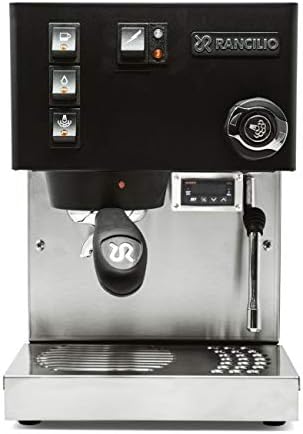
Philips 4400 Series Fully Automatic
Controversial pairing, but it solves a real problem. If you live with someone who does not want to learn the Specialita workflow but you still want pour-controlled espresso for your two daily shots, the Philips 4400 lets your partner press a button while you keep the Specialita and a separate portafilter machine workflow alive. Some Specialita owners use the 4400 strictly for milk drinks and reserve the Specialita-fed manual machine for straight espresso. See the Philips 4400 on Amazon.
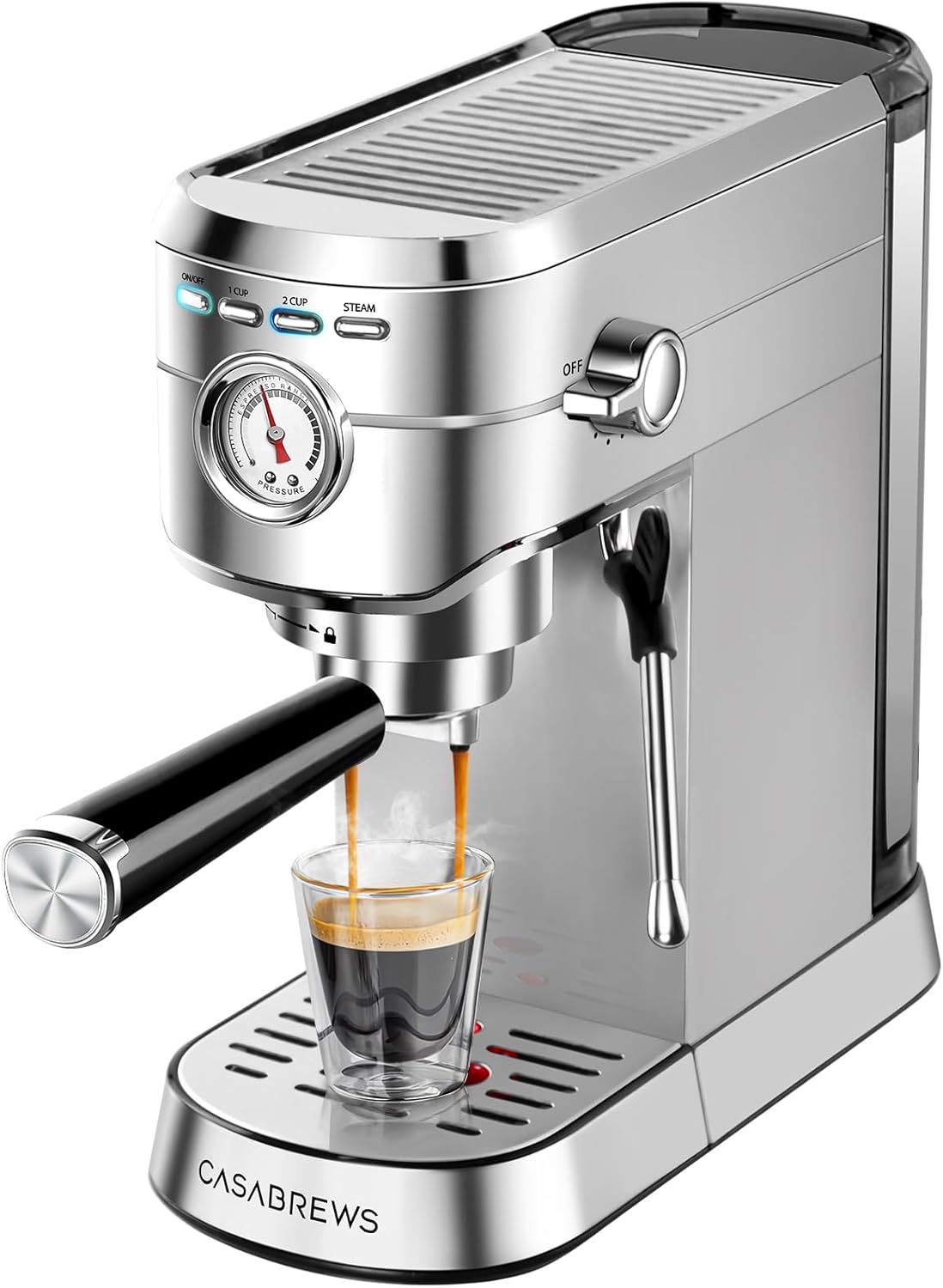
atatix Espresso Machine with Milk Frother
An honest budget pick if your Specialita arrived first and you blew the rest of the budget. The atatix machine runs 20 bar with a steam wand and is enough to demonstrate the difference the Specialita makes versus a cheap built-in grinder. Use it as a placeholder for a year, then upgrade to a dual boiler later. For a low volume drinker pulling two shots, the atatix recovers fast enough between pulls. Find the atatix Espresso Machine on Amazon.
XIXUBX Compact 20 Bar Stainless Steel
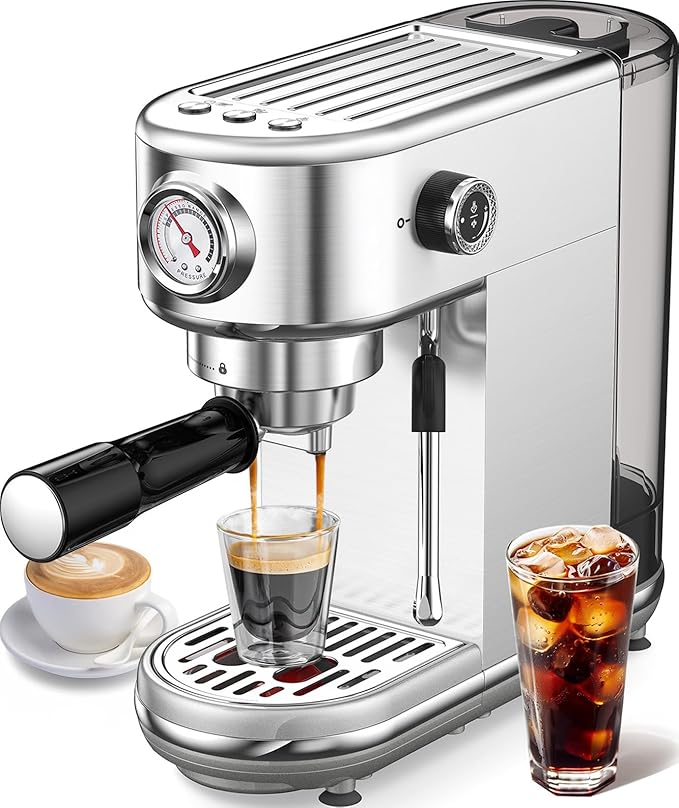
The Specialita has a moderate footprint, and if you stack a wide-bodied machine next to it your counter disappears. The XIXUBX compact stainless body is one of the slimmest 20 bar machines available and tucks neatly beside the Specialita in galley kitchens and studio apartments. It is not a forever machine, but for the early-stage home barista learning to single-dose into the Specialita and pull consistent two shots, it removes the counter-space objection entirely. Check the XIXUBX Compact on Amazon.
How to keep beans fresh when you only grind 36g a day
The biggest mistake low volume drinkers make is buying 1kg bags of beans because they are cheaper per pound. At 36 grams a day, a kilogram lasts you nearly four weeks, which means the last shots taste flat compared to the first. Buy 250g to 340g bags from a local roaster, rest them for 7 to 10 days post-roast, and finish them within 21 days. Store them in a one-way valve canister, not the freezer for daily access (freezing is only useful for long-term archival storage of unopened bags). For more on dialing in stale versus fresh beans, see our guide to rest periods and extraction.
Seasoning the burrs at low volume
New Specialita burrs need roughly 5 to 10 kilograms of coffee to fully season. At 36 grams a day, that is between 140 and 280 days of normal use. During this period your dial-in will drift coarser as the burr edges polish. Plan to adjust your grind setting half a number tighter every two weeks for the first six months. Do not chase the drift with a single mid-shot adjustment, because you will undo your reference point. Mark your starting setting with a piece of tape on the worm gear collar.
Does the Specialita over-deliver for two shots a day
Maybe. The honest assessment is that a Baratza Sette 270Wi or a DF54 would also serve a two-shot routine well at a lower price. What you are paying for with the Specialita is silent operation, build quality that will outlast three espresso machines, and resale value that holds up if you ever decide to switch. If those three things do not matter to you, save the money and put it toward a better machine or a scale. For a deeper alternatives comparison, read our Specialita vs DF54 breakdown for home use.
Maintenance schedule for a 36-gram-per-day Specialita
Wipe the chute weekly with a stiff brush. Vacuum the burr chamber monthly using the dosing cup as a funnel guide. Once every six months, disassemble the upper burr carrier, brush both burrs, and check alignment with a marker test. Replace burrs at the 500kg mark, which for a two-shot home user means somewhere between year 35 and year 40 of daily use, so effectively never. For a detailed teardown walkthrough, see our Specialita maintenance guide.
Frequently Asked Questions
Is the Eureka Mignon Specialita worth it for only two shots a day?
Yes, if you value silence, build quality, and grind consistency. The Specialita's 55mm flat burrs produce cafe-quality particle distribution even at low volume, and the stepless worm gear adjustment lets you dial in any roast precisely. If those features do not matter to you, a smaller single-dose grinder like a DF54 will save you about 30 percent.
How much coffee does the Specialita retain between shots at low volume?
Out of the box, retention is around 0.5 to 0.8 grams. With a single-dose bellows lid installed, you can reduce that to under 0.2 grams. A quick puff of the bellows after grinding pushes the last grounds out of the chute, which matters more when your next shot is 24 hours later than when you are grinding back-to-back.
Should I leave beans in the Specialita hopper overnight?
No. At 36 grams per day, even a half-full 300g hopper exposes beans to air and light for over a week. Either remove the hopper and weigh each dose, or use a single-dose bellows lid. Both approaches give noticeably brighter espresso compared to leaving beans in the hopper.
What espresso machine pairs best with the Specialita for one milk drink and one straight shot per day?
The Breville Barista Express BES870XL is the most common answer. Its single thermocoil reaches steam temperature fast, the steam wand pulls passable microfoam, and the brew group can be locked into a manual workflow. For drinkers who want hands-free milk, the Ninja Luxe Cafe Premier's auto-frother is a strong second choice.
How long do the burrs last on a Specialita at low volume?
Eureka rates the burrs for roughly 500 kilograms of coffee. At 36 grams per day, that is over 38 years of use. Practically speaking, you will sell, gift, or replace the grinder long before the burrs wear out. Seasoning the burrs takes 5 to 10 kilograms, which means around 5 to 9 months of two-shot daily use.
Do I need to upgrade the Specialita's stock burrs for two shots a day?
No. The stock 55mm flat steel burrs are excellent for both light and dark roasts. SSP aftermarket burrs are a tempting upgrade but only make a meaningful difference if you are competing in a brewer's cup. For two shots a day at home, the stock burrs outperform any expectations you could reasonably bring to them.
Is the Specialita too loud for early mornings if my partner is still asleep?
The Specialita measures around 73 decibels during grinding, which is quieter than most home grinders but not silent. A two to three second grind for an 18 gram dose is brief enough that most partners sleep through it, especially with a door closed. If silence is critical, consider putting a silicone mat under the grinder to dampen vibration into the counter.
Key Takeaways
- Choosing the right eureka specialita two shots a day means matching capacity and output ports to your actual devices
- Always check actual watt-hours (Wh), not just watts — runtime depends on Wh, not peak output
- Also covers: specialita low volume household
- Also covers: mignon specialita couple usage
- Also covers: eureka specialita morning only
- Compare price-per-Wh across models to find the best value for your budget