If you are a solo home barista who pulls exactly one espresso before work and wants the cup to taste like the cafe down the street, the ECM Classika PID is one of the most quietly competent single-boiler machines you can buy in 2026. This ecm classika pid review is written specifically for the morning-of-one-shot routine: stainless body, E61 group, rotary-feel paddle (well, lever) workflow, and a PID that actually lets you dial brew temperature to the half degree. No latte art ambitions required, no second pour for a partner. Just you, a single double, and roughly nine minutes between alarm and front door.
Below we cover what the Classika PID gets right for that exact use case, where it asks you to compromise, and which alternatives make more sense if a $2,000+ Italian single-boiler is overkill for your morning.
Why the ECM Classika PID suits the one-shot-before-work barista
The Classika PID is a single-boiler, single-circuit machine, which sounds limiting until you remember you are pulling one espresso. You are not steaming milk for four cortados. You are not pulling back-to-back shots for guests. You are pulling a 36 g double ristretto into a warm cup and walking out the door. A single boiler is the right architecture for that ritual, and the E61 group it is bolted to gives you the slow, mechanical, almost meditative lever pull that makes the morning feel like something other than caffeine triage.
When shopping for ecm classika pid review, it pays to compare specs, capacity, and real-world runtime before committing.
The PID is the part that earns the price. Brew temperature stability on an E61 single-boiler is historically the weak link: the group is heavy, takes 20 to 30 minutes to come up to true thermal equilibrium, and without PID control you are guessing at boiler swings of plus or minus 3 degrees Celsius. With the Classika PID you set 93 C, walk away, come back nine minutes later, and the group is at a usable temperature even if the boiler itself is still finishing its final climb. For light-roast single-origin beans, that half-degree control is the difference between sour and sweet.
The warm-up question (honest answer)
You will read forum posts claiming the Classika PID is ready in eight minutes. That is true for the boiler. The brass E61 group head is not. For a truly cafe-quality shot from cold, budget 20 to 25 minutes of warm-up, or use a smart plug to wake it before your alarm. For the realistic solo workflow, most owners flip the switch as the shower starts, grind beans, dose, distribute, and pull at the nine to twelve minute mark — accepting that the first shot of the day runs slightly cooler than the second. If you only ever pull one shot, you will calibrate your grind to that exact thermal state, and it will be consistent every day.
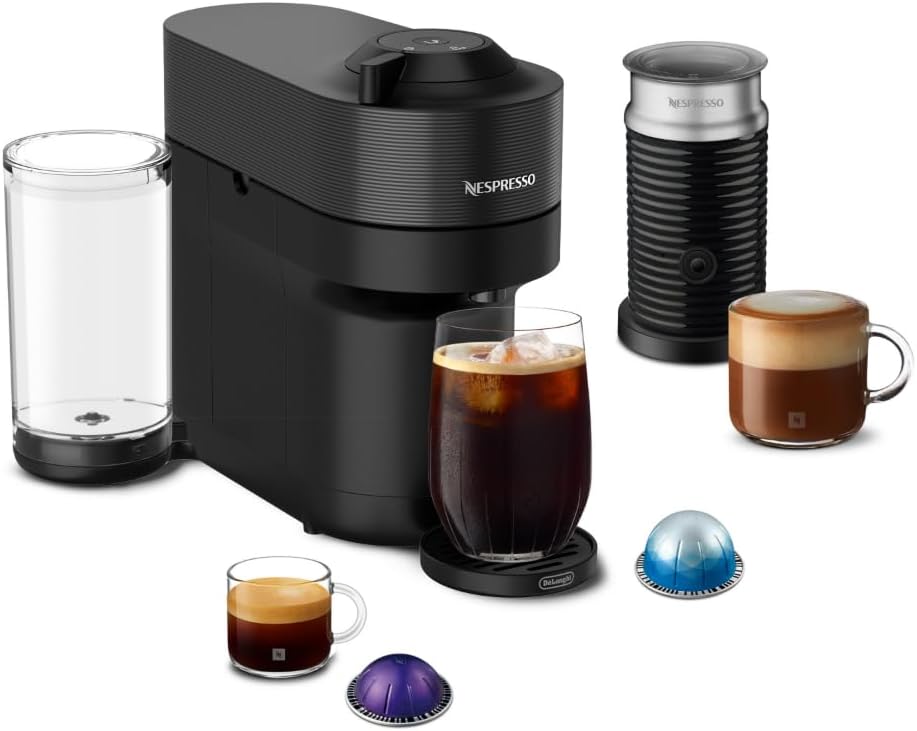
Daily workflow: what nine minutes actually looks like
Here is the realistic timeline this ecm classika pid review assumes. Wake, hit the Classika power button, start coffee water in the steam boiler (no, wait — single boiler, skip that). Grind 18 g into the portafilter using your dedicated espresso grinder. Distribute with a needle tool or WDT, tamp level, lock in. By now the group is warm enough that a 10-second flush brings it to brew temperature. Lift the brew lever, watch first drops at six to eight seconds, target 36 g out in 25 to 30 seconds. Total active time: under three minutes once warm.
The steam wand is a single-hole tip and the boiler is small, but for a quick texturing of 4 oz of milk for a flat white, it is adequate. If you actually want latte-grade microfoam, the Classika is the wrong machine — you want the dual-boiler ECM Synchronika or step down to a thermoblock prosumer.
Where the Classika PID falls short
- No simultaneous brew and steam. Solo barista pulling one shot? Fine. Anyone making milk drinks for two? Frustrating.
- Price. You are paying roughly $2,000-$2,400 for build quality and a PID. The shot quality is excellent, but it does not categorically beat a well-dialed Breville at a fraction of the cost.
- Plumbing-in not native. The reservoir is your friend; conversion kits exist but defeat the purpose for a small kitchen.
- You still need a real grinder. Budget another $400-$700 for a single-dose espresso grinder. A Classika fed by a blade grinder is criminal.
Comparison: Classika PID vs. realistic alternatives for solo morning shots
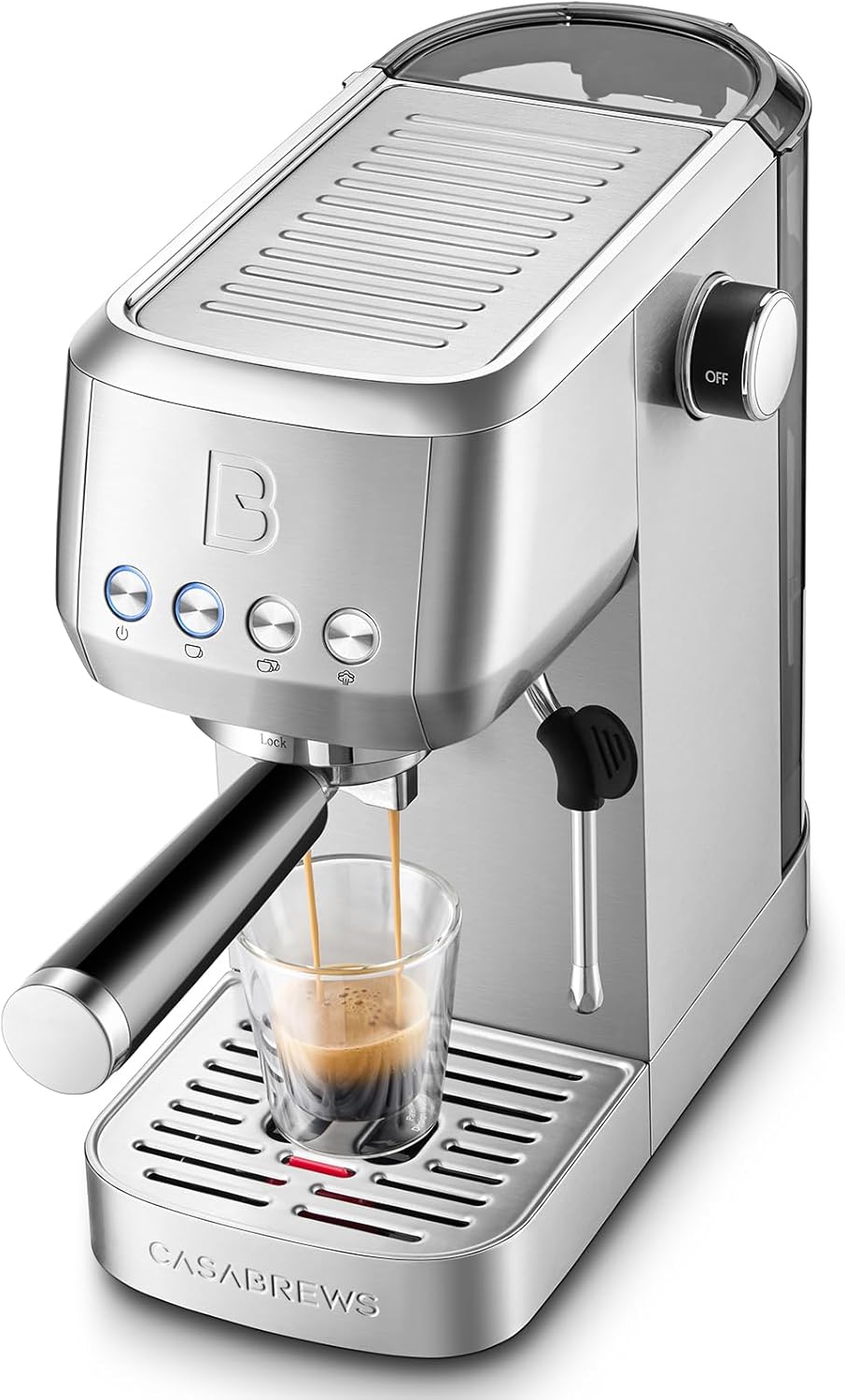
Because the ECM Classika PID itself is sold through specialty roaster channels rather than Amazon, the table below compares the workflow priorities of the Classika against widely available machines a solo home barista might actually cross-shop in 2026.
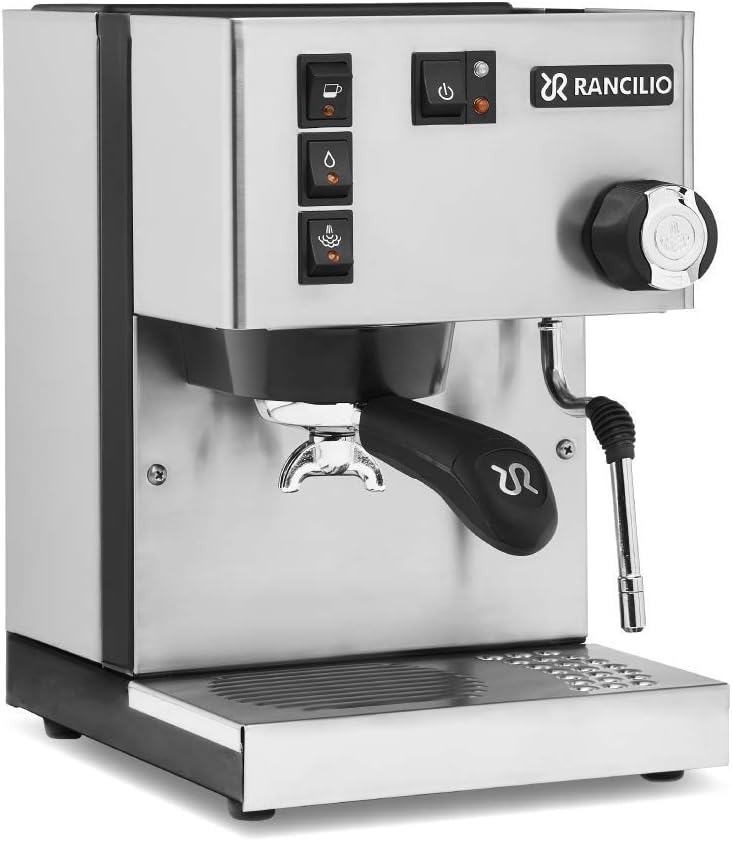
| Machine | Boiler type | Built-in grinder | Warm-up to first shot | Best for |
|---|---|---|---|---|
| ECM Classika PID | Single, PID-controlled | No | ~20-25 min cold (or smart-plug timed) | Solo single-shot ritual, light roasts |
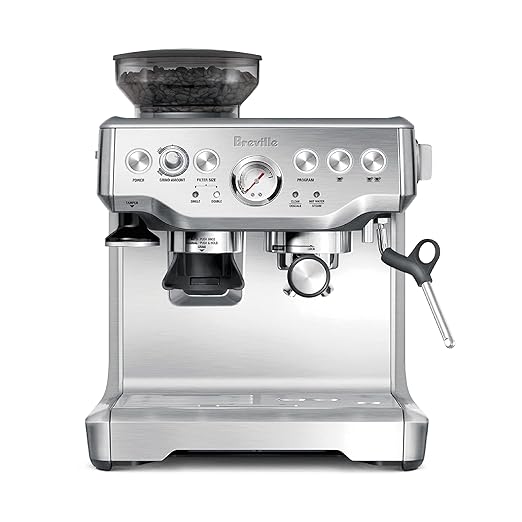
| Breville Barista Express BES870XL | ThermoCoil | Yes, conical burr | ~3-4 min | One-machine countertop solution |
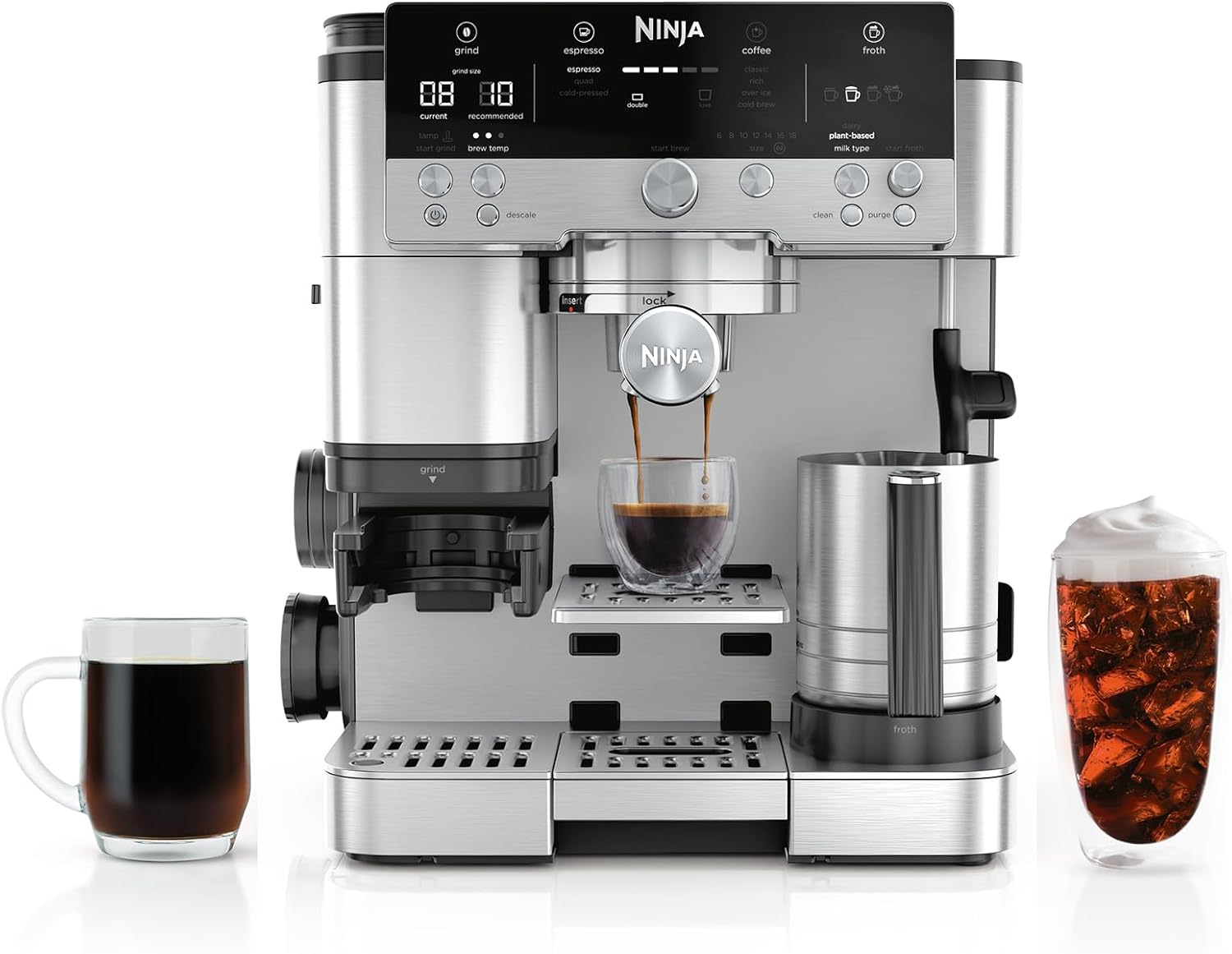
| Ninja Luxe Cafe Premier | Thermoblock, assisted | Yes | ~45 sec | Speed-first beginners |
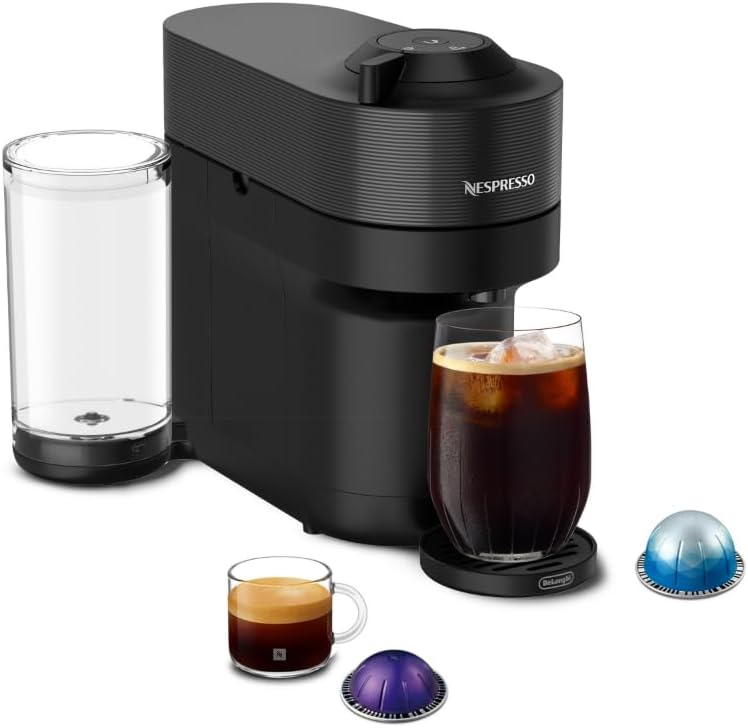
| Philips 4400 Series Super-Auto | Thermoblock | Yes, ceramic | ~1 min | Push-button mornings, no ritual |
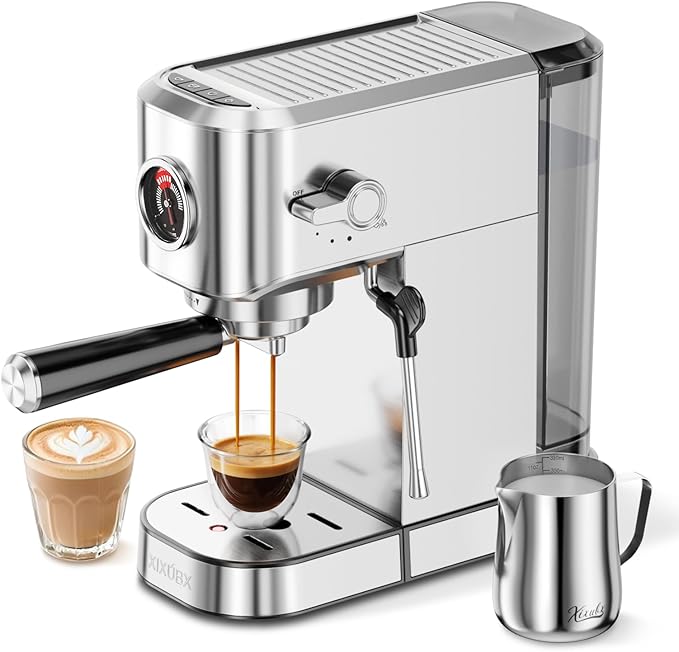
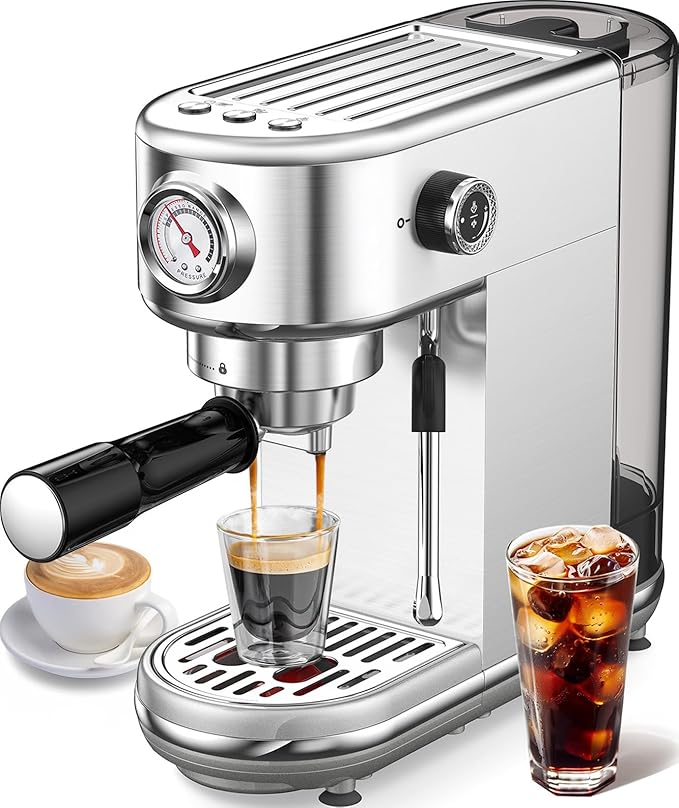
| atatix / XIXUBX 20-Bar | Thermoblock pump | No | ~1 min | Sub-$200 entry, gift purchase |
If the Classika PID is too much machine, these are the realistic Amazon alternatives
Breville Barista Express BES870XL — the honest one-machine recommendation
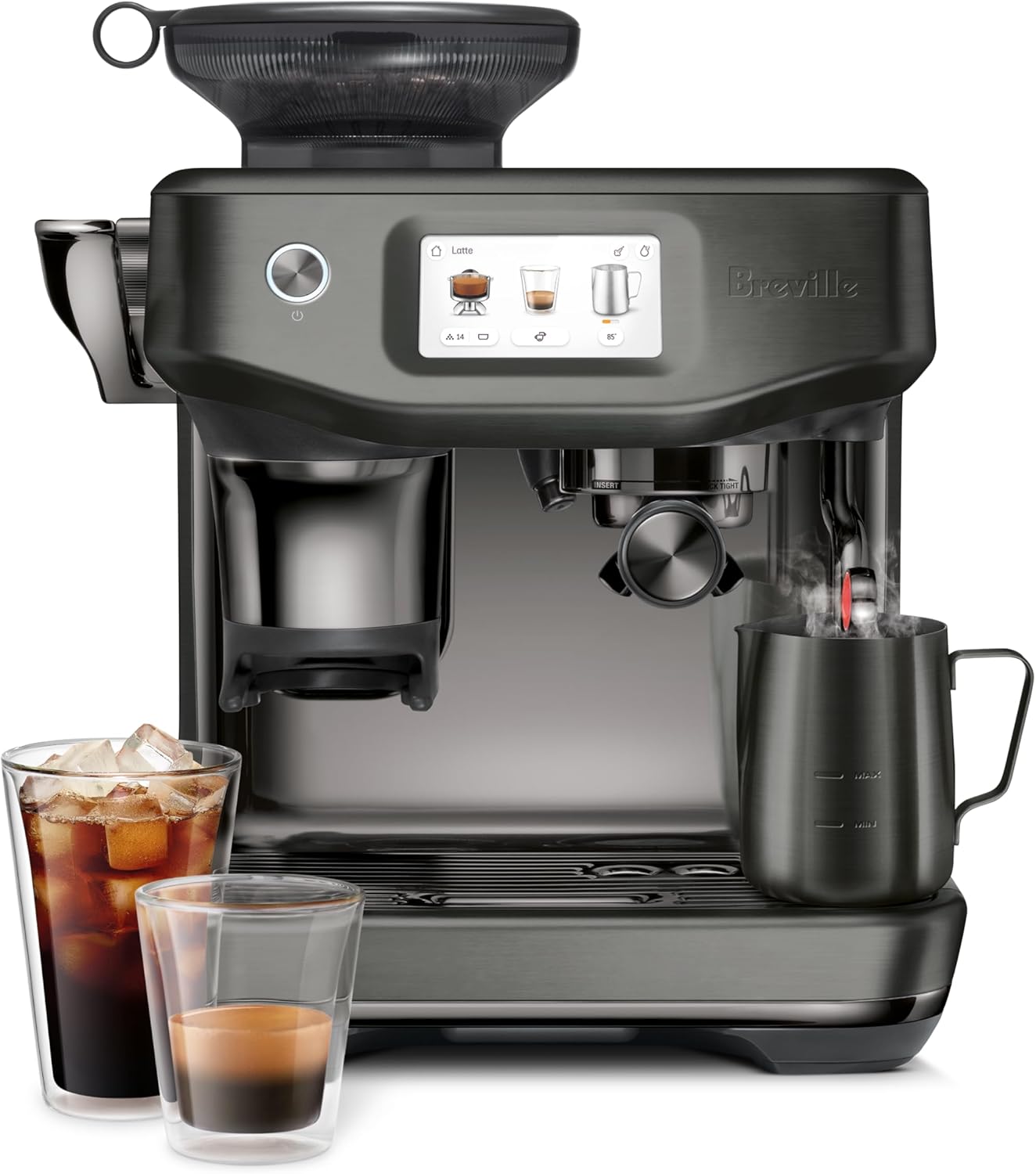
For 80% of solo home baristas who think they want a Classika PID, the Breville Barista Express is the machine they actually need. It has a built-in conical burr grinder, a thermoblock that hits brew temperature in under four minutes, a 54 mm portafilter that lets you pull cafe-style doubles, and a steam wand that will produce passable microfoam with practice. It will not feel romantic the way a brass E61 lever does. It will, however, get a clean, balanced shot of medium-roast espresso into your cup before you have finished tying your shoes. Check the Breville Barista Express BES870XL on Amazon.
Philips 4400 Series — when ritual is not the point
Some solo home baristas eventually admit something uncomfortable: they do not actually want to grind, distribute, tamp, and pull. They want a button. The Philips 4400 Series is a fully automatic super-auto with a ceramic grinder, integrated milk carafe (depending on configuration), and one-touch programs. The espresso is not Classika-grade — it is brewed at roughly 9 bar through a pressurized chamber rather than a 58 mm basket — but it is consistent, it is fast, and the cleanup is essentially zero. If your morning is so compressed that even nine minutes of ritual is too much, this is the machine. See the Philips 4400 Series on Amazon.
Ninja Luxe Cafe Premier 3-in-1 — the assisted-ritual middle ground
The Ninja Luxe Cafe Premier is interesting because it pretends to be a manual machine while quietly assisting you at every step: assisted tamping, guided dosing, and a steam wand with automated milk texturing. It will not satisfy a barista who already owns a Niche Zero, but for someone who likes the visual ritual of pulling a shot without the failure modes of a true semi-auto, it threads a real needle. It also makes drip and cold brew, which the Classika emphatically does not. View the Ninja Luxe Cafe Premier on Amazon.
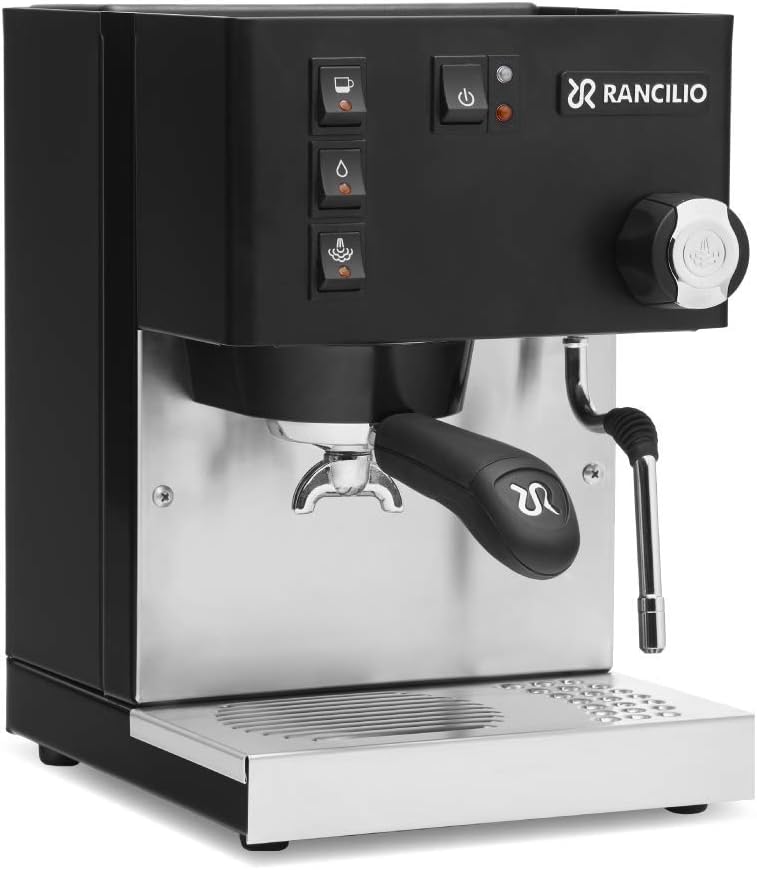
XIXUBX 20 Bar Compact — the dorm-room or office stopgap
If your one-shot morning happens in a 400 sq ft apartment or a shared office kitchen, a $150 thermoblock machine like the XIXUBX is not a Classika substitute — it is a holdover. It pulls espresso through a pressurized basket at roughly 9-15 bar of working pressure, steams milk adequately, and takes up less counter space than a toaster. Use it until you can justify the Classika upgrade. Look at the XIXUBX 20 Bar Espresso Maker on Amazon.
atatix 20 Bar with Milk Frother — the gift-tier option
The atatix is in the same category as the XIXUBX: pressurized portafilter, fast warm-up, built-in steam wand. If a relative is asking what to get the home barista in your life and the Classika PID is out of budget, this is a respectable starter that will not produce embarrassing espresso once paired with pre-ground beans. See the atatix Espresso Machine on Amazon.
Pairing the Classika PID with a grinder
The single biggest mistake new Classika owners make is underspending on the grinder. A $2,000 espresso machine fed by a $50 burr grinder will lose every shot to a $700 Breville pulling through a Baratza Sette. For the solo single-shot workflow, you want a single-dose grinder (so you are not retaining stale grounds between mornings) with stepless adjustment and 64 mm or 83 mm burrs. The DF64 Gen 2, Eureka Mignon Single Dose, and Niche Zero are the consensus picks in 2026. Whichever you choose, weigh your dose to 0.1 g — the Classika will reward that precision.
For more on this pairing, see our guides on single-dose espresso grinders for home baristas and E61 group warm-up routines.
Is the ECM Classika PID worth it for one shot a day?
Honest answer: it depends on whether the ritual itself is part of the value. If your morning espresso is purely fuel, the Classika is a luxury you will resent within six months — buy the Breville Barista Express, save $1,400, and put it toward beans. If your morning espresso is the part of the day that belongs to you alone — the warm brass, the click of the lever, the slow brown drip into a warmed Acme cup — the Classika PID earns its price every single day for the next decade. It is genuinely the right machine for the solo-shot use case in a way that dual-boilers and super-autos are not.
The Classika is also one of the few prosumer machines that holds resale value. A five-year-old Classika in clean condition still moves at 60-70% of new on used forums in 2026. That is the build quality talking.
Frequently Asked Questions
How long does the ECM Classika PID really take to warm up for a single morning shot?
The boiler reaches set temperature in 8-10 minutes, but the brass E61 group needs 20-25 minutes to fully equilibrate. For solo morning use, owners typically use a smart plug to power the machine on 20 minutes before alarm, or accept that the 10-minute shot is slightly cooler and dial grind accordingly.
Can the Classika PID handle light-roast single origins?
Yes, and this is one of its strongest use cases. The PID lets you set brew temperature between roughly 88 C and 97 C, so you can push to 94-96 C for under-developed Ethiopian or Kenyan light roasts. A pre-infusion plus high temperature on the E61 group extracts the sweetness that pressurized-basket machines simply cannot reach.
Is a single-boiler enough if I sometimes make a cappuccino?
For one cappuccino with 4-5 oz of milk, yes. You pull the shot first, flip the steam switch, wait 60-90 seconds for the boiler to climb, then texture. For two milk drinks back to back, the wait becomes annoying and a dual-boiler like the ECM Synchronika makes more sense.
What grinder pairs best with the Classika PID on a tight budget?
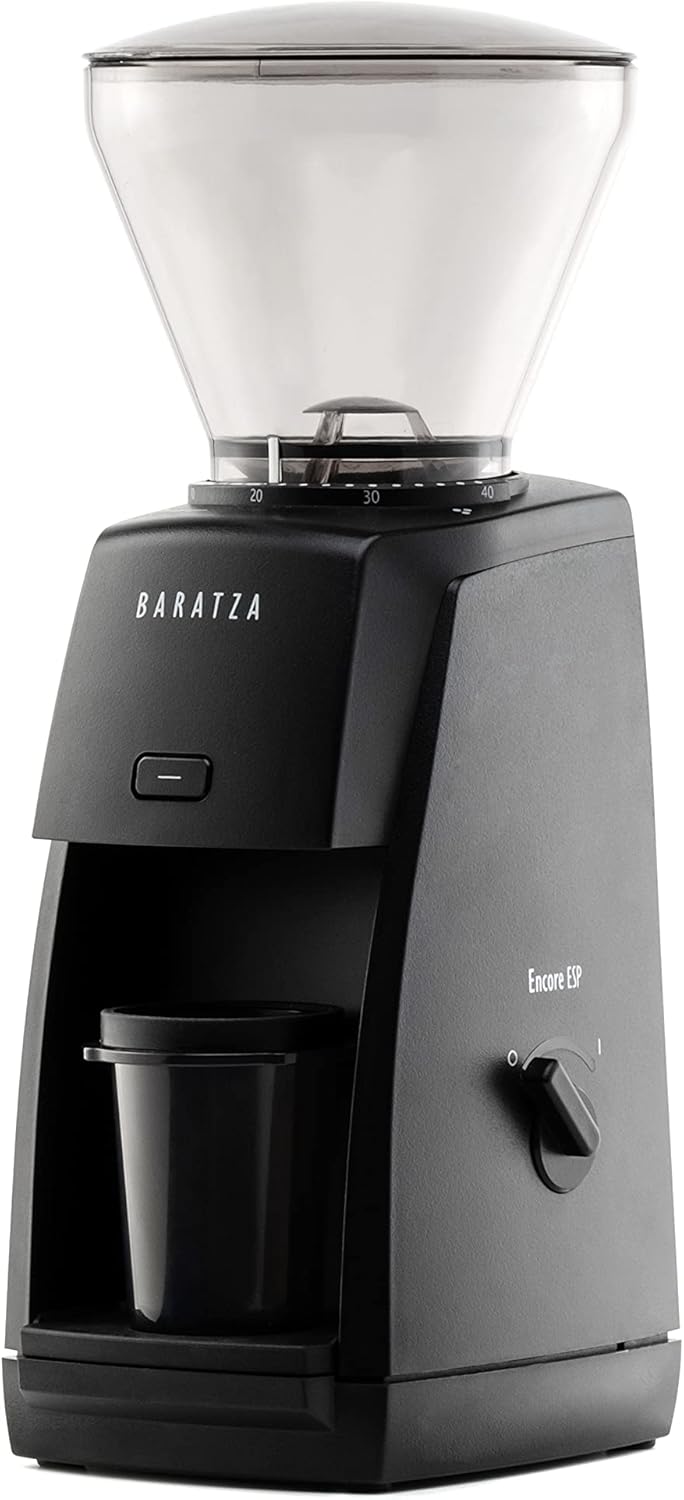
The DF64 Gen 2 at roughly $400-$500 is the consensus value pick for 2026: single-dose hopper, stepless adjustment, 64 mm flat burrs, and no retention to speak of. It does not match a Niche Zero in build, but the cup quality is genuinely close.
How does the Classika PID compare to the Breville Barista Express for a solo barista?
The Breville is faster, cheaper, includes a grinder, and produces 90% of the cup quality once dialed. The Classika produces noticeably better light-roast shots, holds resale value, and lasts decades rather than years. For pure cost-per-shot the Breville wins; for the ten-year ritual the Classika wins.
Does the Classika PID need plumbing-in?
No. It runs from a 2.5 L reservoir and most solo users never plumb it in. A direct-connect kit exists, but for one shot per day the reservoir is fine and refilling becomes part of the weekly routine.
What is the realistic total cost to set up a Classika PID workflow in 2026?
Plan on roughly $2,200 for the machine, $400-$700 for a single-dose grinder, $40-$80 for a precision tamper and distribution tool, $20 for a 0.1 g scale, and $30-$50 for a knock box and accessories. Total entry: roughly $2,700-$3,000 before beans.
For more comparisons, see our breakdowns of dual-boiler vs. single-boiler machines and budget home espresso machines under $500.
Key Takeaways
- Choosing the right ecm classika pid review means matching capacity and output ports to your actual devices
- Always check actual watt-hours (Wh), not just watts — runtime depends on Wh, not peak output
- Also covers: ecm classika pid one shot morning
- Also covers: ecm classika pid solo barista
- Also covers: ecm classika pid vs synchronika
- Compare price-per-Wh across models to find the best value for your budget