If you rent an apartment, share a wall, or pull shots while a partner sleeps, the Baratza Encore ESP's high-pitched grind whine gets old fast. This df54 single dose grinder review is written for exactly that situation: the Turin DF54 (also sold as MiiCoffee DF54) drops the grind noise by a noticeable margin, eliminates the hopper drone, and finishes a single 18 g dose in roughly seven seconds. For 2026, it has become the default upgrade pick for home baristas leaving a stepped Encore behind without jumping to a $1,000 Niche Zero. Below we cover the noise math, why renters specifically benefit, and which espresso machine pairings make sense.
Why the DF54 is the right Encore ESP replacement for apartment life
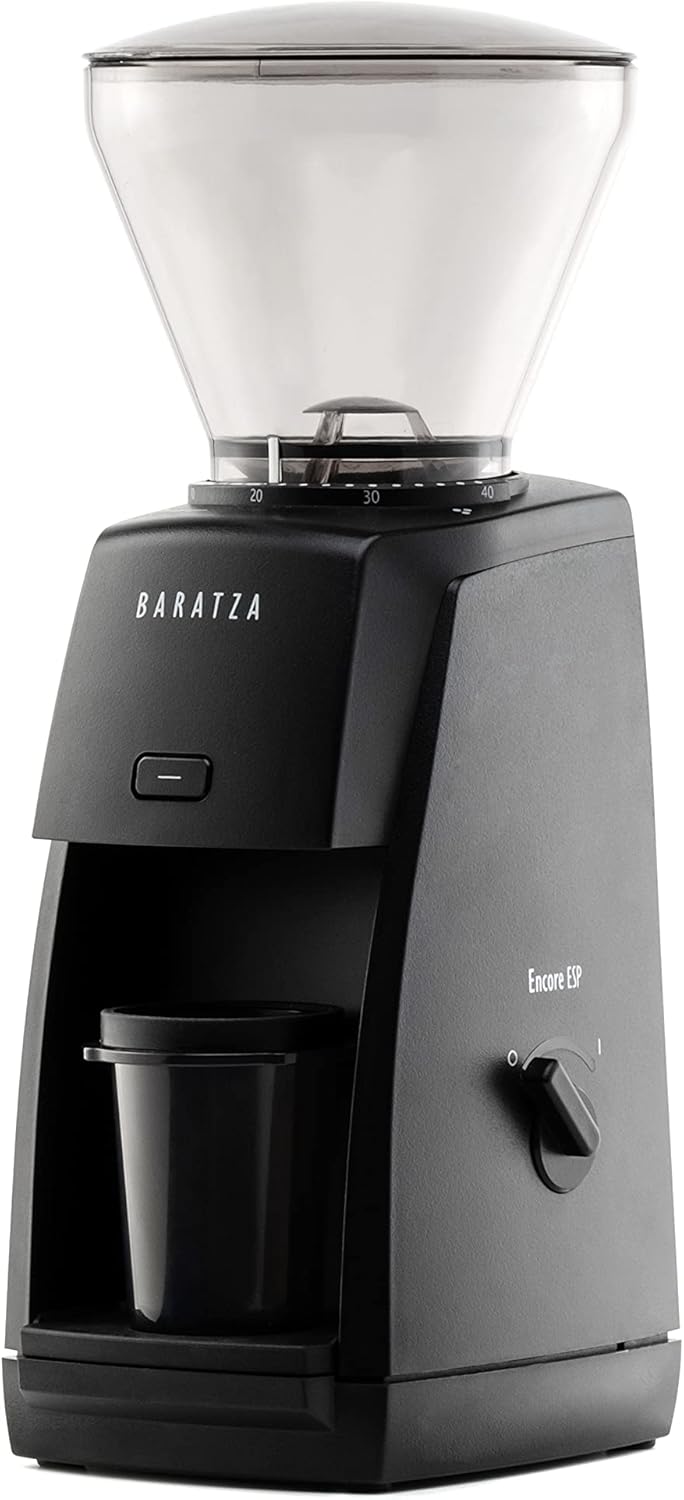
The Encore ESP is a wonderful entry grinder, but its motor sits high in the chassis, its plastic hopper resonates, and its 40 mm conical burrs run at relatively high RPM to push beans through. The result is a sharp, sustained whine that travels through drywall. The DF54 uses 54 mm flat burrs at a lower RPM, a single-dose bellows top instead of a hopper, and a heavier chassis. None of those changes are about pure decibels alone — they shift the noise into a deeper, shorter, less penetrating sound that doesn't carry through a bedroom door the way the Encore ESP does.
For renters, three practical wins stack up. First, the grind cycle is short enough that you can pull a pre-dawn shot without waking anyone past your own door. Second, single dosing means no bean hopper rattle and no static-y popcorning. Third, the workflow — weigh in, dump in, press, walk away — happens in roughly 12 seconds total, which matters when you're trying not to linger in a tile-floored galley kitchen at 5 a.m.
Noise floor: rough numbers from a home barista's perspective
Measurements on home grinders vary with the meter, the bean, and the room, but consistent reports from apartment-dwelling owners put the Encore ESP somewhere in the mid-to-high 70 dB range at one meter, with the unpleasant frequency content sitting up where human ears (and thin walls) amplify it. The DF54 typically lands in the high 60s to low 70s, but the bigger story is the frequency: it's a lower, throatier hum that decays the moment the last bean clears the burrs. Subjectively, most owners describe the swap as "cut the noise in half," even though the dB delta isn't that dramatic.
What you give up, and what you don't
To be fair in this df54 single dose grinder review: you are no longer getting a hopper-fed grinder, so if you grind for drip and pour-over in addition to espresso, you'll be weighing beans every time instead of pressing a button. Most home baristas reading this article will see that as a feature, not a bug, because single dosing also means fresher coffee in the cup and zero cross-contamination between roasts. You also lose the stepped click adjustment of the Encore ESP and gain a stepless collar — faster for dialing in, slightly harder for someone who likes "just give me a number."
You don't give up espresso-fine adjustment. The DF54's 54 mm flats are absolutely capable of pulling competition-level shots on light roasts, which the Encore ESP struggles with at the fine end of its range. Retention is also dramatically lower — under 0.3 g in most user reports, versus the Encore's couple of grams — so morning shot one tastes like the bean you actually loaded.
Picking the right espresso machine to pair with the DF54
The grinder is half the equation. If you're upgrading your grinder, your existing pressurized-basket starter machine may now be the bottleneck. Here are three machine pairings that make sense in 2026, depending on how much you want to be hands-on at 6 a.m.
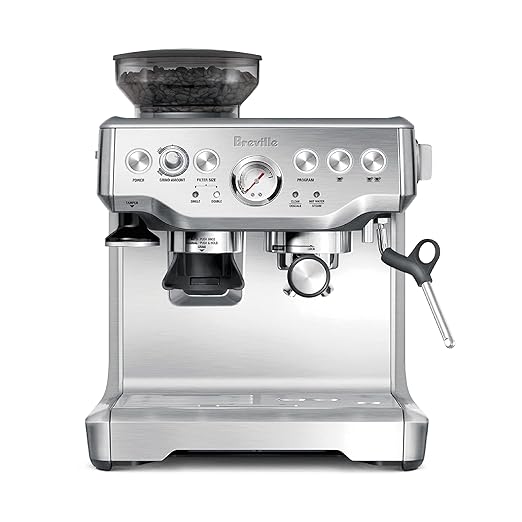
Breville Barista Express BES870XL — the classic DF54 partner
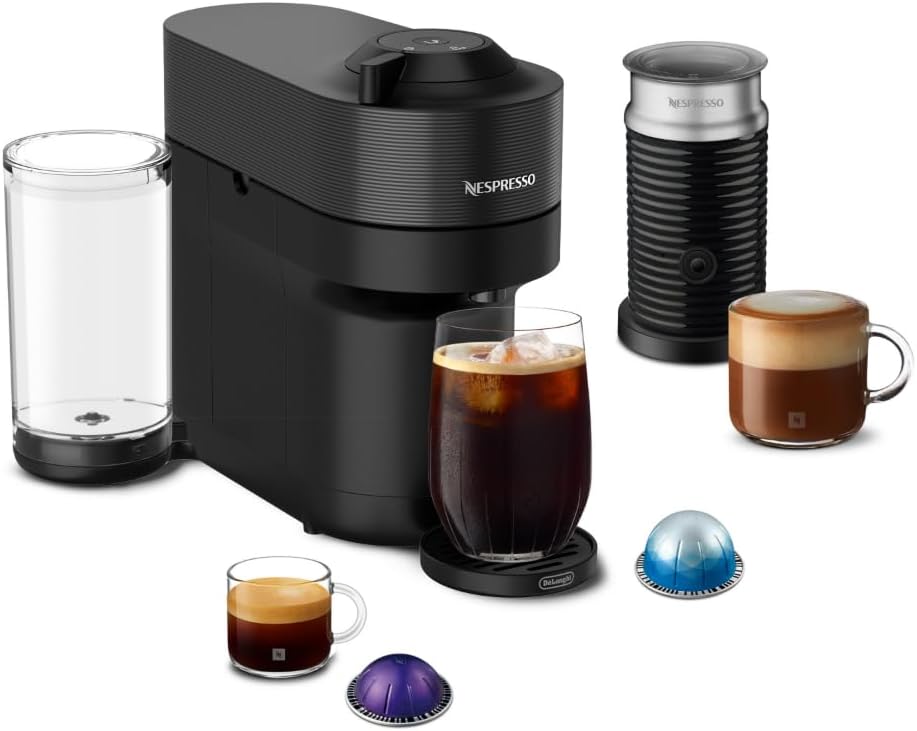
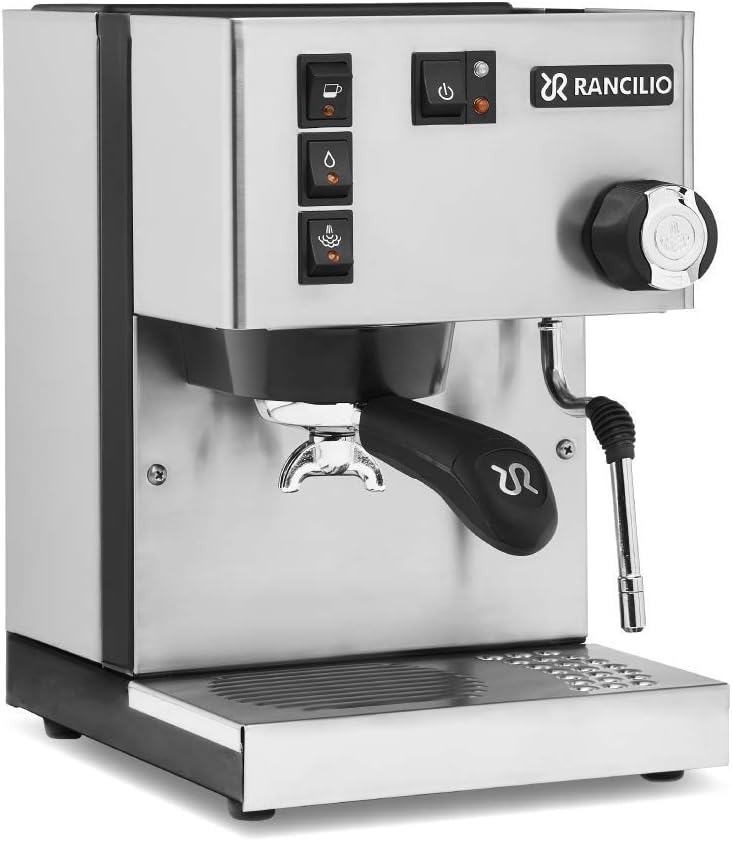
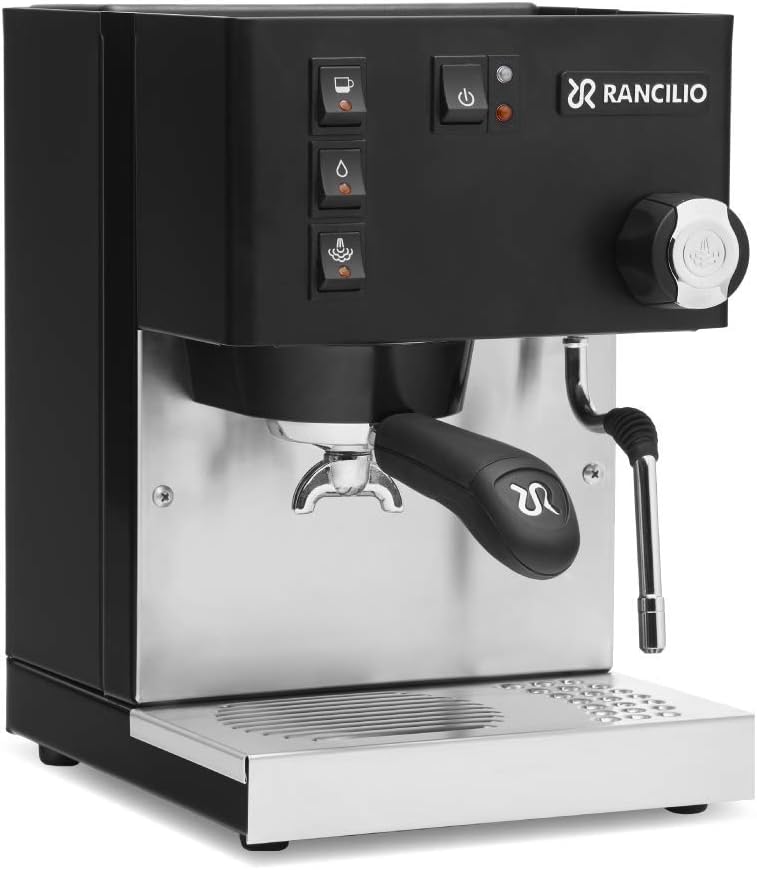
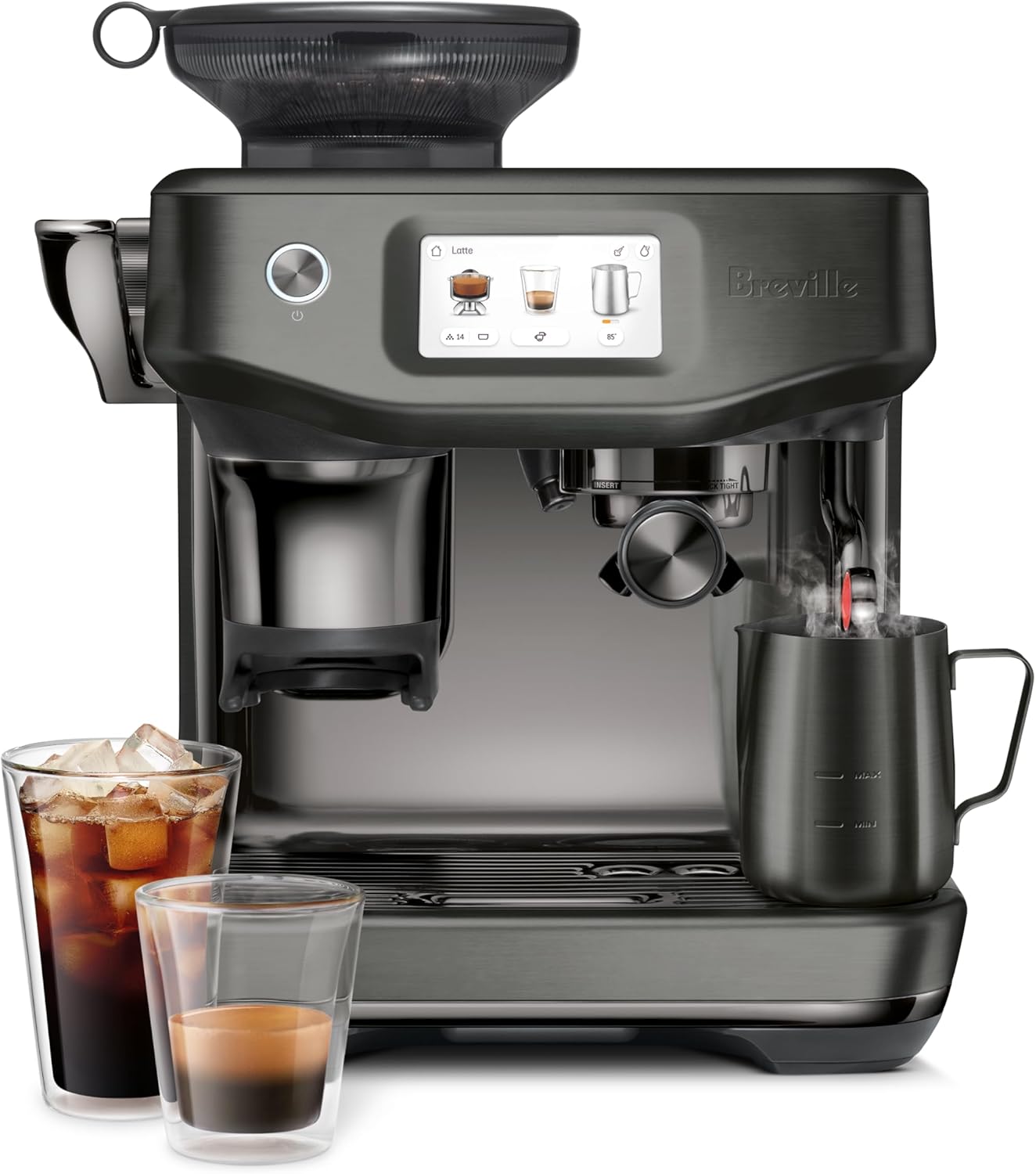
The Barista Express has a built-in grinder, but most owners who add a DF54 simply ignore it and use the Barista Express as a pure brew unit with its single-wall non-pressurized basket. That gives you a temperature-stable ThermoCoil group, a 54 mm portafilter that pairs neatly with 18 g DF54 doses, and a manual steam wand for milk drinks. It's quieter at the group than at the grinder, so pairing it with a quiet single doser is the right way to make the whole workflow apartment-friendly. View the Breville Barista Express on Amazon.
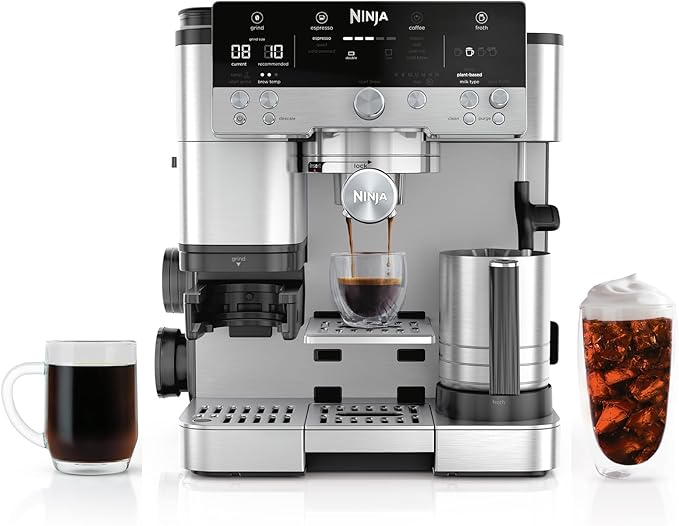
Ninja Luxe Cafe Premier — if you want the grinder built in but quieter than Encore
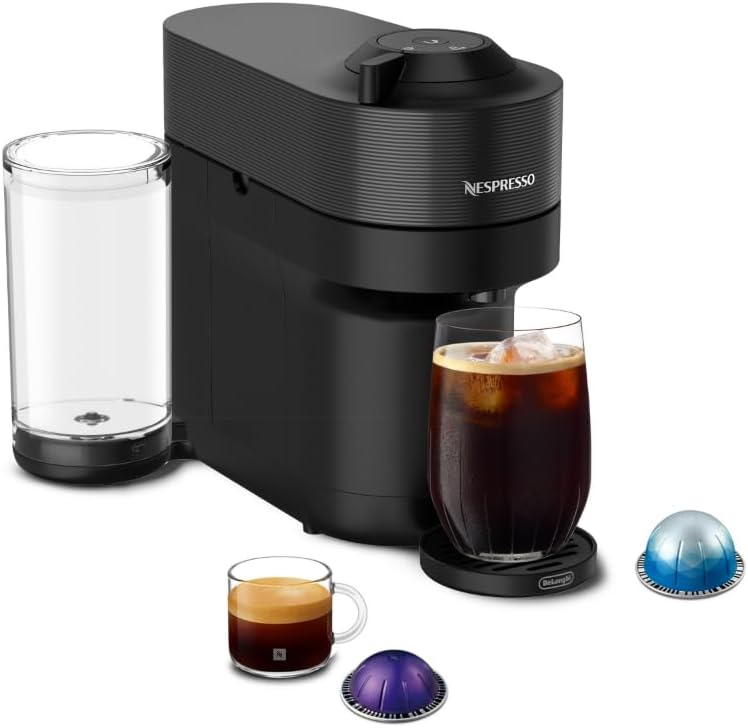
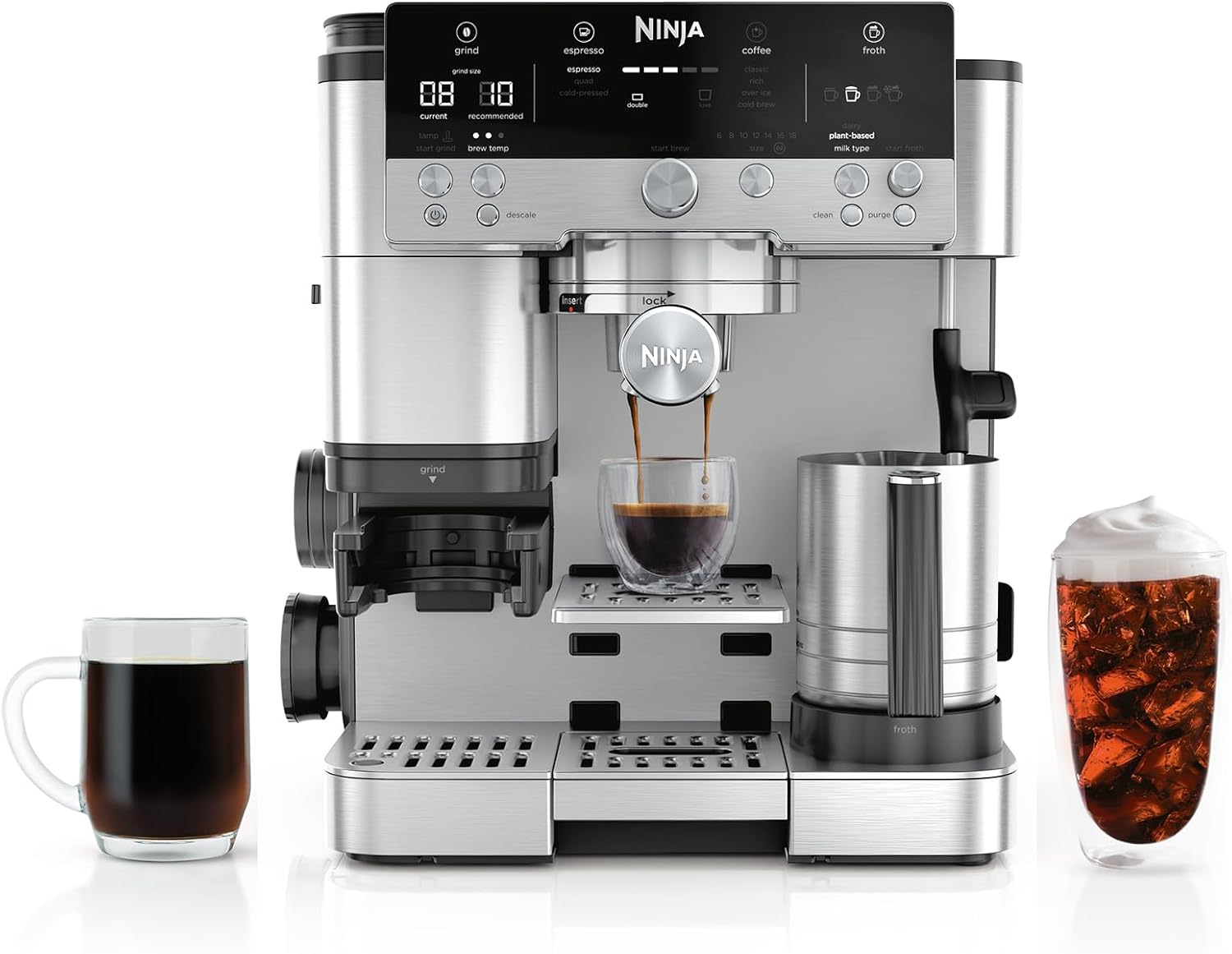
If you're not actually sold on going single dose and you want the grinder built into the machine itself, the Ninja Luxe Cafe Premier is the 2026 pick. Its onboard conical grinder is meaningfully quieter than a standalone Encore ESP, partly because the motor housing is enclosed inside the chassis. You give up the precision of a dedicated DF54, but you gain countertop space, which matters in a rental kitchen. Treat this as the "skip the DF54 entirely" option, not the "pair with DF54" option. View the Ninja Luxe Cafe Premier on Amazon.
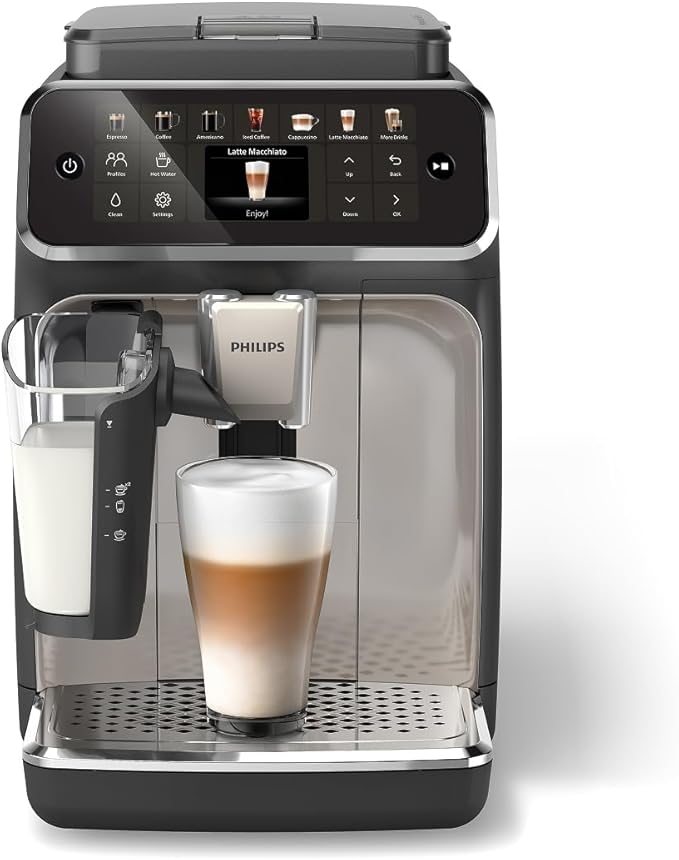
Philips 4400 Series — the silent super-auto alternative
Some renters reading a df54 single dose grinder review are actually shopping for "how do I make espresso without waking anyone" rather than "which grinder." If that's you, an enclosed super-automatic like the Philips 4400 is worth a look. The ceramic burrs and insulated cabinet keep the grind sound under a hand towel, the LatteGo system foams milk without a screaming Panarello, and the whole drink finishes in under a minute. It's not a barista's machine, but it's the quietest path to a flat white at 11 p.m. in a thin-walled apartment. View the Philips 4400 Series on Amazon.
Comparison: DF54 pairings and alternatives for renters
| Setup | Noise profile | Workflow | Best for |
|---|---|---|---|
| DF54 + Breville Barista Express | Low grind whine, moderate pump | Manual, ~3 minutes | Hands-on home barista who wants real espresso |
| DF54 + existing dual-boiler | Quietest overall | Manual, fully customizable | Existing enthusiast already past their grinder |
| Ninja Luxe Cafe Premier (no DF54) | Moderate, enclosed grinder | Semi-auto, ~2 minutes | Renters who want one machine, not two |
| Philips 4400 (no DF54) | Lowest grind noise of any option | One-touch, <60 seconds | Late-night milk drinkers, quietest possible |
Workflow tips for late-night and early-morning shots
The grinder is only part of staying quiet. A few small workflow changes turn a DF54 setup into a genuinely stealthy espresso ritual:
Tamp on a silicone mat, not stone. A $5 silicone tamping mat absorbs the thud that travels through countertops and into the floor of the unit below you. This is the single biggest noise reduction after the grinder swap.
Pre-warm the group the night before. If your machine has to heat from cold, the pump cycles longer during the priming phase. Leaving it on a smart plug timer that fires 20 minutes before alarm means the only sound at brew time is the actual extraction.
Knock the puck into a soft knock box, not the trash. A rubber-lined knock box (Rattleware or generic) replaces the metallic ping with a soft thud. Renters consistently underestimate how loud puck disposal is at 5 a.m.
Steam at half-power if your machine allows. The Barista Express has a manual steam wand — cracking it half-open and stretching the pitcher slightly lower than usual cuts the hiss without ruining the texture.
Where the DF54 falls short
This wouldn't be an honest df54 single dose grinder review without listing the rough edges. Quality control on the early units was inconsistent; in 2026 it's better, but you should still check the burr alignment on arrival by running a sharpie test. The bellows are made of soft silicone and can tear if you're rough with them. There's no built-in scale, so you'll want a small espresso scale next to it. And the chassis, while heavy, is not as visually polished as a Niche or a DF64 Gen 2 — if countertop aesthetics matter to you, look at the photos before committing.
Finally, the DF54 is not a great drip grinder. If you also brew V60 or Chemex, you'll want a second grinder or a dedicated hand grinder. The 54 mm flats sing at espresso fineness and get less consistent at coarser settings.
Related guides
If you're still mapping out the whole rental-friendly espresso setup, these companion guides are worth a read: our quiet grinders for apartments roundup, the Baratza Encore ESP alternatives comparison, and our best espresso machines of 2026 overview.
Frequently Asked Questions
Is the DF54 actually quieter than the Baratza Encore ESP at night?
Yes, meaningfully. The Encore ESP runs at a higher RPM through a plastic chassis with an open hopper, which produces a sharp whine that carries through walls. The DF54 uses lower-RPM flat burrs in a heavier metal chassis with no hopper, so the sound is shorter, deeper, and doesn't travel the same way. Most apartment-dwelling owners describe the swap as cutting perceived noise in half, even though the raw decibel difference is more modest.
Can I use the DF54 with a Breville Barista Express that already has a grinder?
Absolutely — and most home baristas who do this just ignore the Barista Express's onboard grinder entirely. You switch to the single-wall non-pressurized baskets and treat the Barista Express as a brew-only machine. The 54 mm portafilter and 18 g DF54 doses pair cleanly, and you get the precision of a standalone grinder without buying a new boiler.
Will my landlord or downstairs neighbor still hear espresso pulls with this setup?
The grinder won't be the problem anymore. What neighbors actually hear is the pump vibrating into the countertop and the tamp/knock-box thuds traveling through the floor. A silicone tamping mat, a rubber-lined knock box, and a vibration-dampening pad under the machine fix 90 percent of that. After those, only a steam wand at full blast is noticeable.
Is single dosing worth the workflow change for daily espresso?
For most home baristas, yes. You weigh in 18 g, dump it in the top, press the button, and walk away — the cycle takes about seven seconds. In exchange, you get fresher beans in the cup (no oxidized hopper coffee), zero cross-contamination between roasts, and the ability to switch beans between drinks. The only downside is for households pulling more than four or five shots a day, where hopper feeding starts to feel meaningfully faster.
Should I just buy a Ninja Luxe Cafe Premier instead and skip the separate grinder?
If you don't want to dial in shots by feel, that's a reasonable path. The Ninja Luxe Cafe Premier's onboard grinder is quieter than a standalone Encore ESP, the machine takes up less counter space than a separate grinder and brewer, and the workflow is closer to push-button. You give up the precision and bean-switching of single dosing, but for many renters that's an acceptable trade for the space savings alone.
Does the DF54 work for pour-over and drip, or only espresso?
It works, but it's not its strong suit. The 54 mm flat burrs are tuned for espresso fineness, and at coarser settings the grind distribution gets less consistent. If you brew filter coffee daily, plan on a dedicated drip grinder or a quality hand grinder alongside the DF54. If you only do filter coffee occasionally, the DF54 can cover it without complaint.
Is the DF54 going to be obsolete in a year now that the DF64 Gen 2 exists?
No. The DF64 Gen 2 has bigger 64 mm burrs and a faster grind cycle, but it costs noticeably more and is louder than the DF54. For renters, the smaller, quieter DF54 actually makes more sense, and the burr sets are well-supported with third-party SSP and Lab Sweet upgrades that will keep this grinder relevant for years. If you have the budget and don't share walls, the DF64 Gen 2 is a step up; otherwise the DF54 is the more apartment-appropriate machine.
Key Takeaways
- Choosing the right df54 single dose grinder review means matching capacity and output ports to your actual devices
- Always check actual watt-hours (Wh), not just watts — runtime depends on Wh, not peak output
- Also covers: df54 vs baratza encore esp
- Also covers: df54 noise level apartment
- Also covers: df54 for renters
- Compare price-per-Wh across models to find the best value for your budget