Top Picks
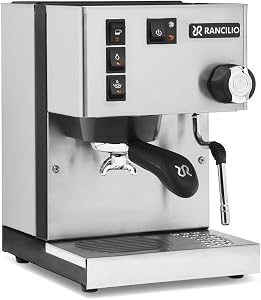
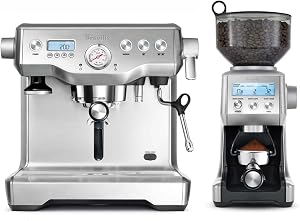
> "A great espresso machine paired with a mediocre grinder is like a Ferrari with bicycle tires. The grinder is where the magic actually happens."
Let's be honest. You've probably spent hours dreaming about the perfect espresso machine — that gleaming chrome beauty sitting proudly on your countertop. But here's the truth that seasoned baristas know and beginners learn the hard way: your grinder matters more than your machine.
Whether you're chasing café-quality espresso, brewing a velvety pour-over, or just want your morning cup to stop tasting like cardboard, this guide will help you choose a grinder you'll love for years.
Why Your Grinder Is the Unsung Hero of Great Coffee
Grinding coffee isn't just about turning beans into powder. It's about unlocking flavor with surgical precision. The size and consistency of your grind determines how water extracts oils, sugars, and acids from each bean — and that, my friend, is what separates a transcendent cup from a forgettable one.
The Numbers Don't Lie
> 70% of coffee flavor extraction is influenced by grind quality and consistency. > > Inconsistent grinds can cause both over-extraction (bitter) and under-extraction (sour) — in the same cup. > > A quality grinder can outlast 3 to 4 espresso machines when properly maintained.
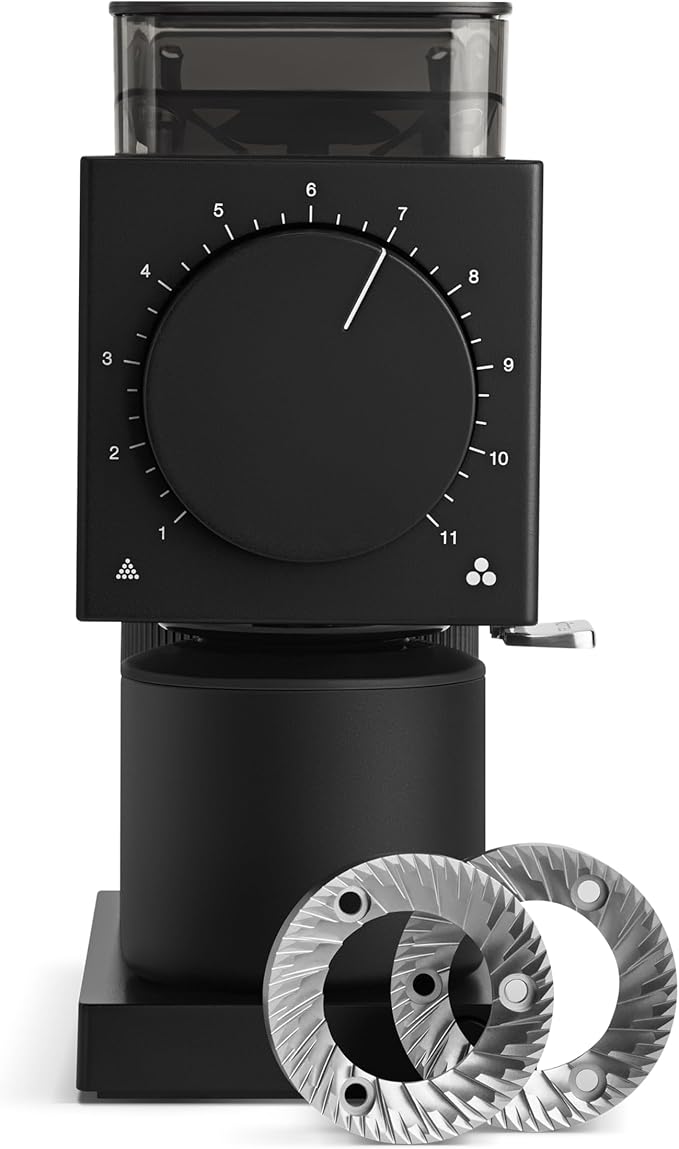
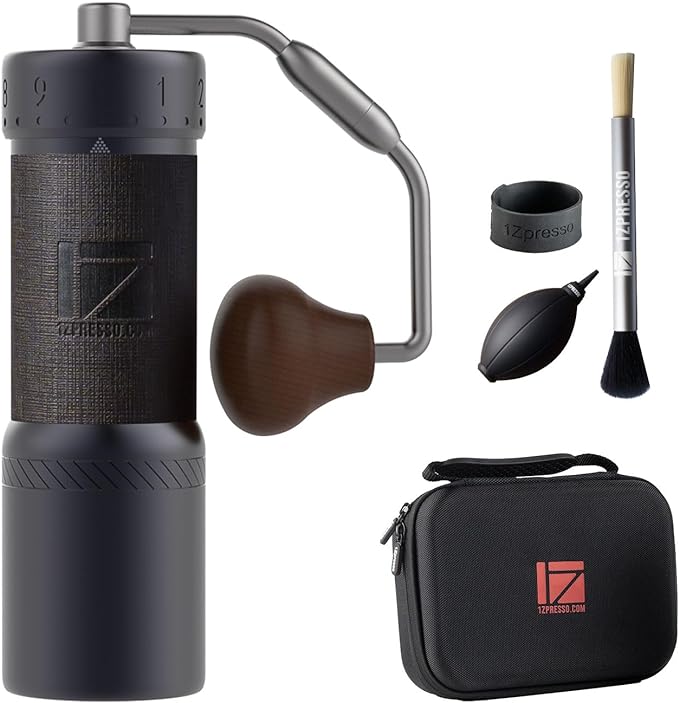
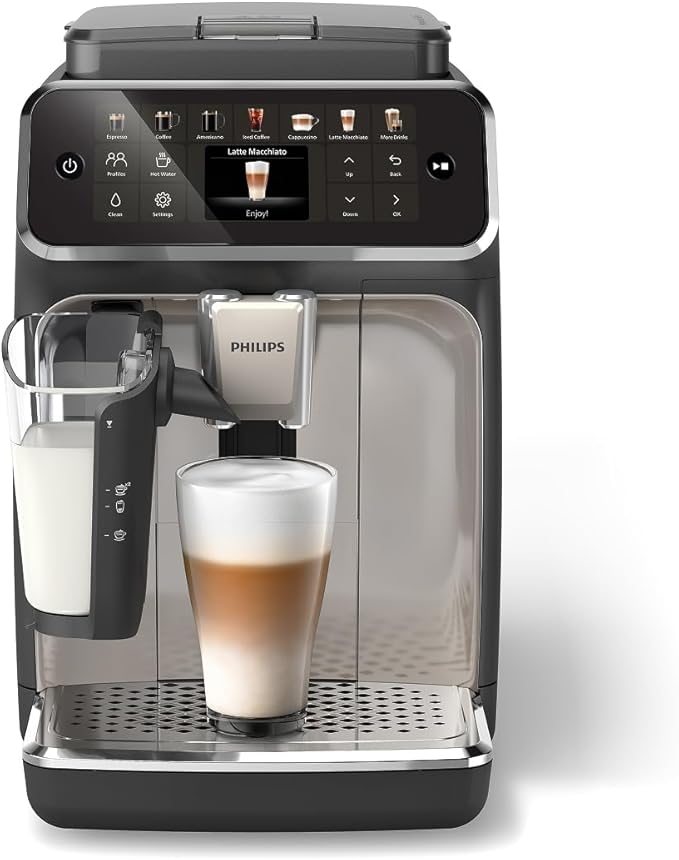
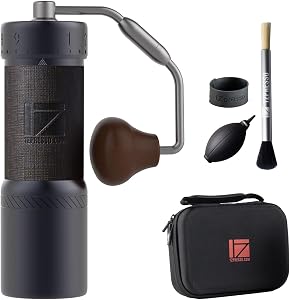
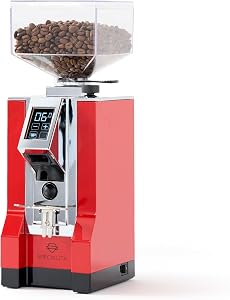
Featured recommendations from our review database — direct Amazon links below.
Burr vs. Blade: The Battle That Isn't Really a Battle
If you take only one lesson from this guide, let it be this:
Blade Grinders
These chop beans with a spinning propeller. The result? Wildly inconsistent particles — some powder, some pebbles. Acceptable for drip coffee in a pinch. Disastrous for espresso.Burr Grinders
Two abrasive surfaces (flat or conical) crush beans to a precise, uniform size. This is what professionals use. This is what you want.Verdict: If you're serious enough about coffee to be reading this guide, skip blade grinders entirely. You'll thank yourself.
Watch This Before You Buy Anything
Before you click "add to cart," take a few minutes to see grinders in action. This video breaks down what truly matters:
Flat Burrs vs. Conical Burrs: Choose Your Flavor Profile
Here's where things get deliciously nerdy.
Conical Burrs
- Sound profile: Quieter operation
- Flavor profile: Rounder, sweeter, more body
- Best for: Espresso, dark roasts, traditional Italian-style drinks
- Bonus: Generally more affordable
Flat Burrs
- Sound profile: Louder, more aggressive
- Flavor profile: Brighter, more clarity, distinct notes
- Best for: Light roasts, single-origin showcases, pour-over
- Bonus: Often more consistent particle distribution
The 7 Things That Actually Matter When Buying a Grinder
1. Grind Consistency
The holy grail. Uniform particles mean even extraction. Look for grinders with high-quality steel or ceramic burrs at least 40mm in diameter.2. Adjustment Range and Precision
Do you want espresso and French press? Make sure the grinder handles both ends of the spectrum. Stepless adjustments offer the finest control — essential for dialing in espresso.3. Retention
This is the coffee that gets stuck inside the grinder between uses. Low retention = fresher coffee. Modern "single-dose" grinders excel here.4. Speed and Noise
A grinder that takes 30 seconds to grind 18 grams will test your patience. So will one that wakes the whole house. Read reviews carefully.5. Build Quality
Metal housings, durable burrs, and quality motors mean your investment lasts a decade or more. Plastic-heavy grinders rarely survive heavy use.6. Hopper vs. Single Dose
- Hopper grinders: Convenient, great for multiple drinks daily
- Single dose: Maximum freshness, perfect for trying multiple beans
7. Static and Mess
Fresh-ground coffee + static electricity = grounds everywhere. Look for grinders with anti-static technology or RDT-friendly designs.Budget Breakdown: What You Get at Every Price Point
Under $100: The Starter Zone
Decent for drip coffee and French press. Will struggle with espresso. Recommended: Quality manual hand grinders often outperform electric grinders in this range.$100–$300: The Sweet Spot for Beginners
 Real entry-level espresso grinders live here. Expect decent consistency, basic adjustments, and reliable performance for non-fussy espresso.
$300–$700: The Enthusiast Tier
Serious burr quality, low retention, refined adjustments. This is where you start tasting the bean — not just the roast.$700–$1,500: The Prosumer Zone
Commercial-grade burrs, exceptional consistency, lifetime durability. The grinder you'll never need to upgrade.$1,500+: The Obsessive Tier
Welcome to the rabbit hole. These grinders are works of art — and the difference is real if you can taste it.> Expert Tip: Spend at least as much on your grinder as your espresso machine. Many baristas recommend spending more on the grinder.
See a Pro Compare Top Grinders Side-by-Side
The Mistakes That Will Haunt You
Learn from those who came before:
- Buying the cheapest grinder you can find. You'll replace it within a year.
- Matching grinder quality to machine quality. Your $2,000 machine deserves more than a $50 grinder.
- Ignoring retention. Stale coffee in the chute ruins fresh beans.
- Skipping the manual. Different beans need different grind settings. Learn yours.
- Forgetting cleaning. Oils build up, burrs dull, and flavor suffers.
Key Takeaways: Your Cheat Sheet
- Burr grinders only — blade grinders cannot deliver espresso quality
- Match your grinder to your brew method — espresso demands finer precision than pour-over
- Spend smart — a great grinder is the single best upgrade you can make
- Conical for warmth, flat for clarity — choose based on flavor preference
- Low retention matters — fresher grounds, every time
- Build quality saves money — pay once, enjoy for a decade
Your Next Step
The perfect grinder doesn't exist — but the perfect grinder for you absolutely does. Identify your brew methods, set a realistic budget, prioritize burr quality and consistency, and you'll land on a machine that transforms every cup for years to come.
Your future self — sipping the best coffee of your life on a quiet morning — will thank you.
Happy grinding, and may every shot pour like silk.
Related Reviews
- How to Choose an Espresso Machine: The Complete Home Barista Buying Guide
- Espresso Machine Budget Guide: How Much Should You Really Spend?
- 10 Common Mistakes to Avoid When Buying Your First Espresso Setup
- What Is the Best Grind Size for Espresso? A Complete Coffee Grinding Guide
- How Often Should You Replace Grinder Burrs? Tips and Signs
Key Takeaways
- Choosing the right coffee grinder buying guide means matching the key features to your specific needs and budget
- Read real customer reviews and check the return policy before you commit
- Also covers: which grinder is best for espresso
- Also covers: what to look for in coffee grinder
- Also covers: how to choose a burr grinder
- Compare value across models — the priciest option is not always the best fit
People Also Ask
Which grinder is best for espresso?
See the full breakdown in the article above — we cover this in detail with real-world numbers and product recommendations.
What to look for in coffee grinder?
See the full breakdown in the article above — we cover this in detail with real-world numbers and product recommendations.
How to choose a burr grinder?
See the full breakdown in the article above — we cover this in detail with real-world numbers and product recommendations.
Why are burr grinders better than blade?
See the full breakdown in the article above — we cover this in detail with real-world numbers and product recommendations.
Does grind size affect espresso taste?
See the full breakdown in the article above — we cover this in detail with real-world numbers and product recommendations.
