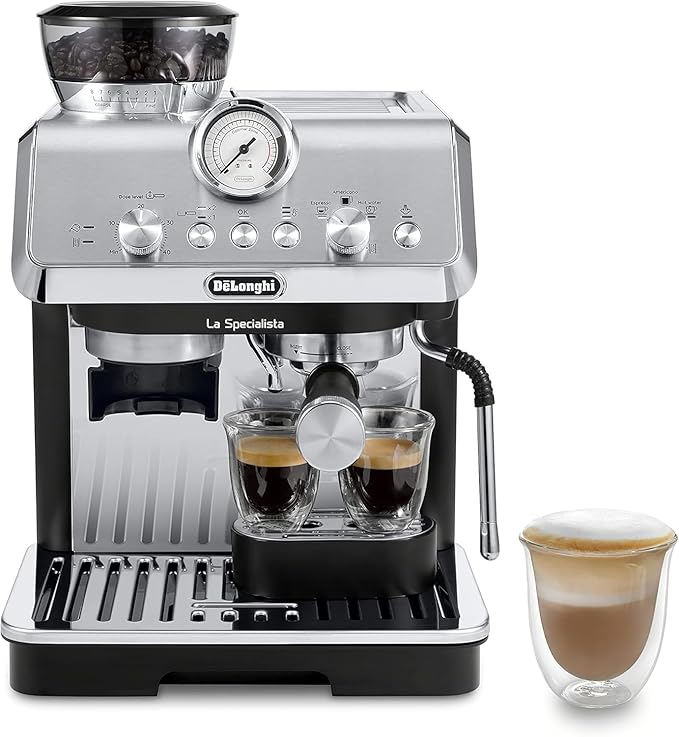
Quick Stats: What Home Baristas Actually Spend
| Budget Tier | Price Range | What You Get |
|---|---|---|
| Entry-Level | Check price on Amazon | Decent espresso, manual learning curve |
| Sweet Spot | Check price on Amazon | Cafe-quality shots, room to grow |
| Enthusiast | Check price on Amazon | Prosumer features, temperature stability |
| Dream Setup | $3,000+ | Commercial-grade performance at home |
Top Picks
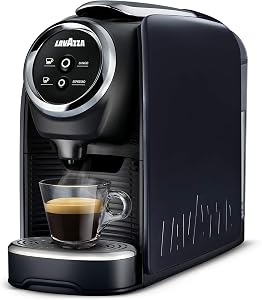
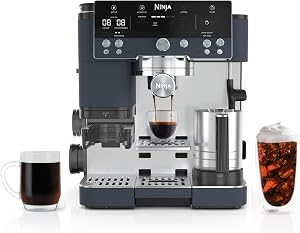
The Honest Truth About Espresso Machine Pricing
Let's cut through the marketing noise. You've fallen in love with the idea of pulling cafe-quality shots from your own kitchen, but every search leads to a dizzying maze of price tags ranging from $100 to $10,000+. So what should you actually spend?
This guide is your no-nonsense roadmap. We've spent years testing machines, talking to home baristas, and analyzing what truly matters when your hard-earned money is on the line.
> The Golden Rule: Your espresso is only as good as your weakest link. A $3,000 machine with a $50 grinder will produce worse coffee than a $500 machine paired with a quality grinder. Budget for the system, not just the machine.
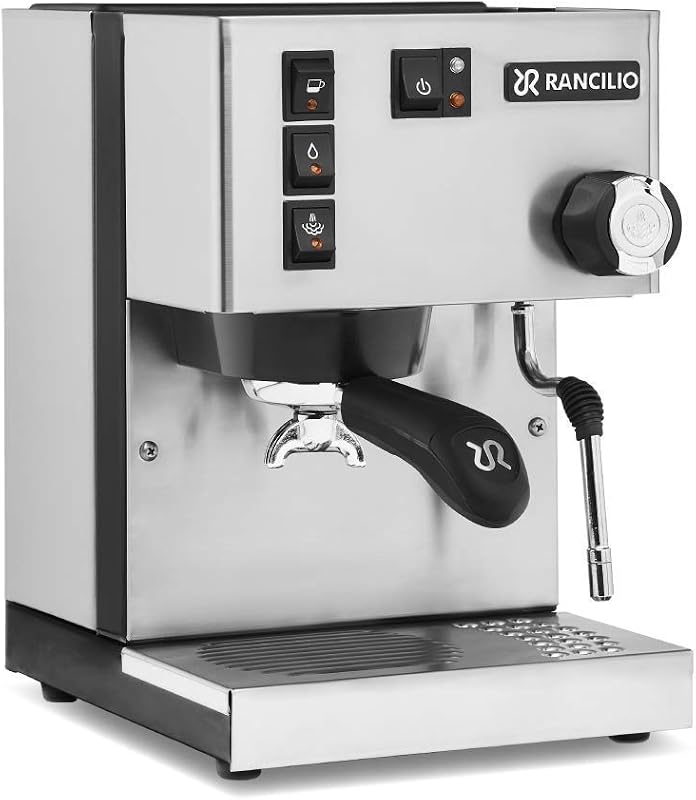
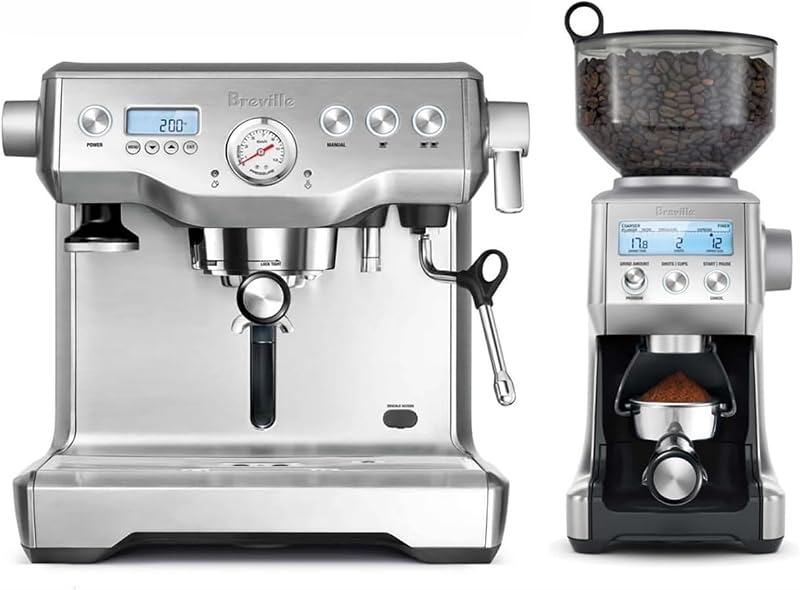
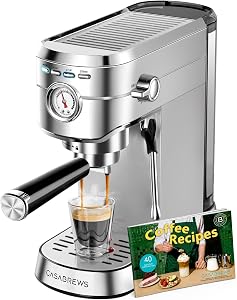
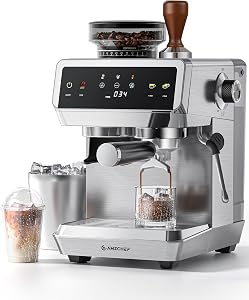
Featured recommendations from our review database — direct Amazon links below.
The Tier-by-Tier Breakdown
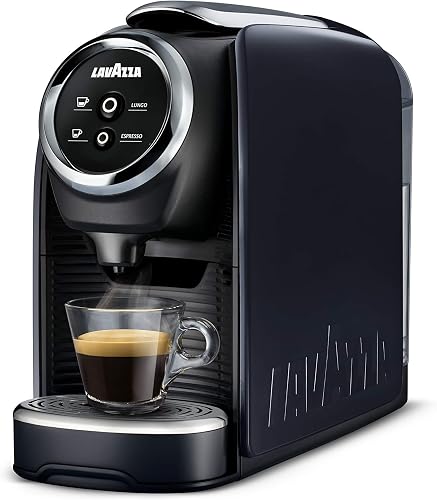
Tier 1: The Curious Beginner ($200 - $500)
You're testing the waters. You don't yet know if espresso will become a passion or a passing phase. Perfect. Start here.
What to expect:
- Single-boiler machines with thermoblock heating
- Pressurized portafilters (training wheels for espresso)
- Built-in grinders that are... fine
- A genuine taste of what's possible
> Expert Tip: If you buy a Gaggia Classic Pro, budget an extra $300-400 for a separate burr grinder. You'll thank us later.
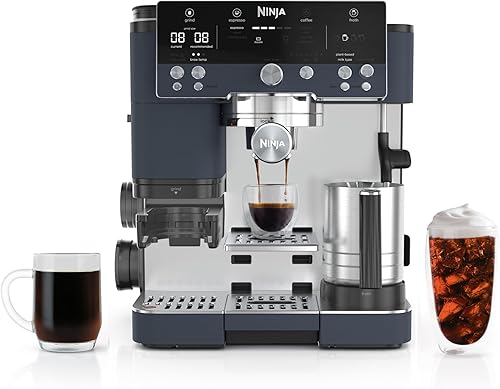
Tier 2: The Sweet Spot ($500 - $1,200)
This is where magic happens for most home baristas. You're getting serious hardware without mortgaging your future.
What changes here:
- Real 58mm portafilters (the cafe standard)
- PID temperature control for shot-to-shot consistency
- Better steam wands that actually create silky microfoam
- Machines that will last 10+ years with care
Watch: A Pro's Honest Take on Espresso Budgets
Tier 3: The Serious Enthusiast ($1,200 - $3,000)
Welcome to prosumer territory. These machines are built like tanks and pull shots that rival your favorite specialty cafe.
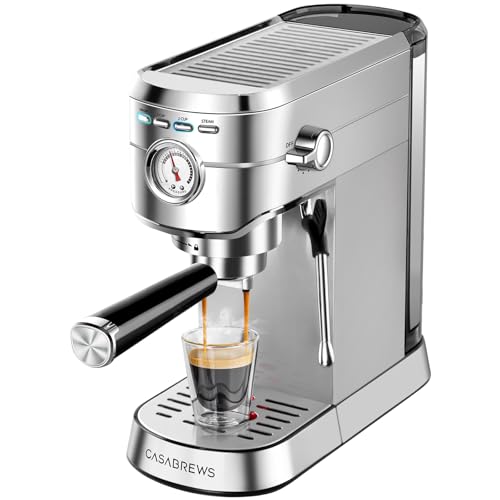
Key upgrades:
- Dual boilers (steam and brew simultaneously)
- E61 group heads with thermal mass for stability
- Rotary pumps (whisper quiet operation)
- Plumbing options for the truly committed
Tier 4: The Dream Machine ($3,000+)
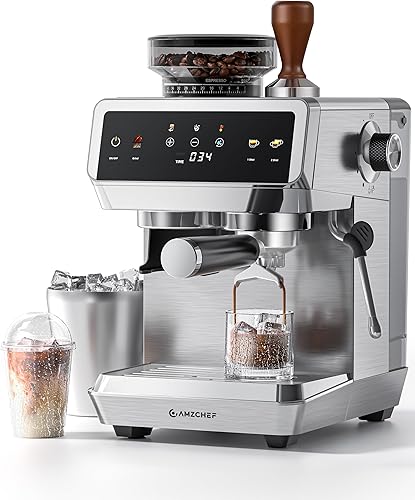
At this level, you're not just buying coffee equipment. You're buying heirloom-quality craftsmanship, often hand-built in Italy or Germany.
Think: Slayer, La Marzocco Linea Mini, Profitec Pro 800. These machines outlive their owners.
The Grinder Question: Don't Skip This
Here's the truth nobody told you: the grinder matters more than the machine.
Grinder Budget Guidelines
- Under $300: , DF54,
- $300 - $700: Eureka Mignon Specialita,
- $700 - $1,500: Niche Zero, Eureka Atom 75,
- $1,500+: Mahlkonig E65S, Mythos, Lagom P64
Hidden Costs Nobody Warns You About
Your espresso journey doesn't end at checkout. Plan for:
- Quality beans: $20-30/lb for specialty roasters
- Accessories: $100-200 (tamper, distributor, knock box, scale)
- Water filtration: $50-300 (your machine will thank you)
- Descaling supplies: $30-50/year
- Backflush detergent: $20/year
- The rabbit hole: Priceless (and dangerous)
Watch: How to Actually Pull a Great Shot
Key Takeaways
The Bottom Line:- Most home baristas should spend $1,000 - $1,500 total (machine + grinder + accessories)
- Never skimp on the grinder. It's the most important variable in your cup.
- Buy once, cry once. Cheap machines often get replaced within 2 years.
- Used prosumer gear is a fantastic value play - check r/espressoclassifieds.
- Your skill matters more than your budget. A trained barista on a Gaggia Classic beats a novice on a Slayer.
The Final Word
The best espresso machine isn't the most expensive one. It's the one that matches your skill level, your daily routine, and your genuine commitment to the craft.
Start where you are. Upgrade when you outgrow your gear, not before. And remember: every world-class barista started by pulling some pretty terrible shots.
Your journey starts now. Make it delicious.
Related Reviews
- How to Choose an Espresso Machine: The Complete Home Barista Buying Guide
- 10 Common Mistakes to Avoid When Buying Your First Espresso Setup
- What Water Should You Use in an Espresso Machine? A Complete Guide
- Coffee Grinder Buying Guide: What to Look for Before You Buy
- How to Clean and Descale Your Espresso Machine: Complete Maintenance Guide
Key Takeaways
- Choosing the right how much to spend on espresso machine means matching the key features to your specific needs and budget
- Read real customer reviews and check the return policy before you commit
- Also covers: is a gaggia classic pro worth it
- Also covers: why are dual boiler espresso machines expensive
- Also covers: which espresso machine is best under 500
- Compare value across models — the priciest option is not always the best fit
People Also Ask
Is a gaggia classic pro worth it?
See the full breakdown in the article above — we cover this in detail with real-world numbers and product recommendations.
Why are dual boiler espresso machines expensive?
See the full breakdown in the article above — we cover this in detail with real-world numbers and product recommendations.
Which espresso machine is best under 500?
See the full breakdown in the article above — we cover this in detail with real-world numbers and product recommendations.
What price range for home espresso setup?
See the full breakdown in the article above — we cover this in detail with real-world numbers and product recommendations.
How much should i spend on espresso machine?
See the full breakdown in the article above — we cover this in detail with real-world numbers and product recommendations.
