Quick Picks: The Best Gear for Home Espresso
| Category | Product | Price | Best For |
|---|---|---|---|
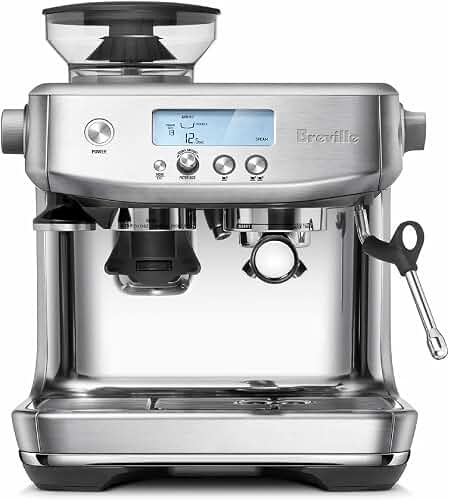
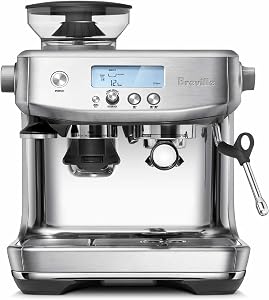
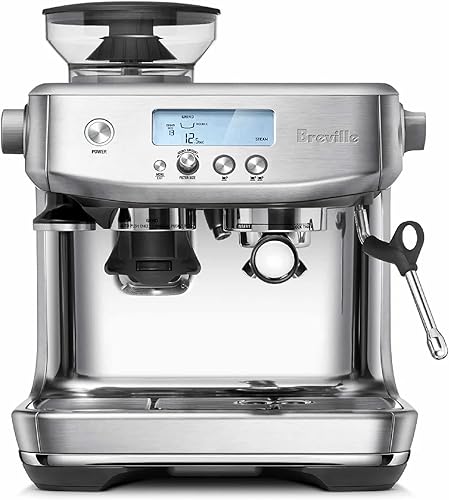
| Best All-in-One | Breville Barista Express | Check price on Amazon | Beginners who want one box |
| Best Budget Machine | De'Longhi Stilosa | Check price on Amazon | Tight budgets, big ambitions |
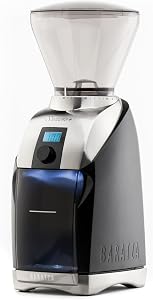
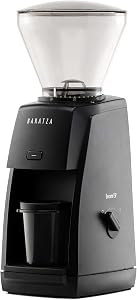
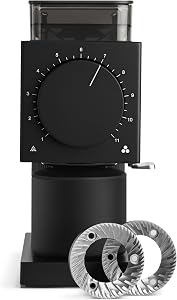
| Best Standalone Grinder | Check price on Amazon | Pairing with a separate machine | |
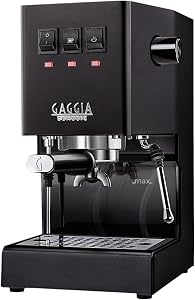
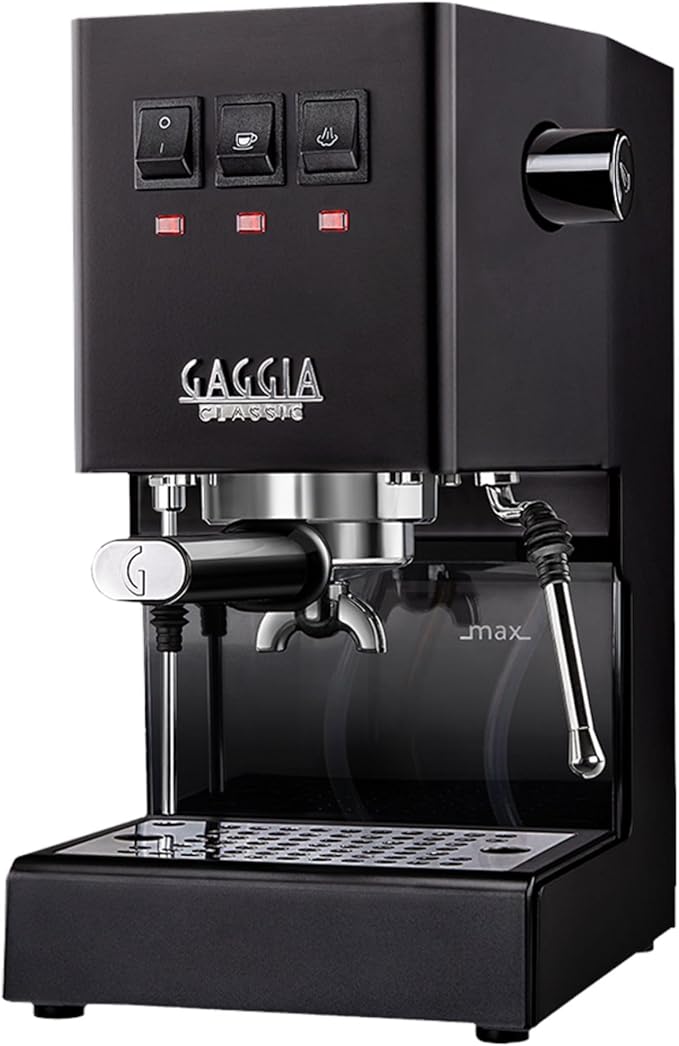
| Best Prosumer Machine | [Gaggia Classic Pro | Check price on Amazon | Tinkerers who want a lifetime machine | | | | | | | | | | | | | | | | | | | | | | |
Top Picks
> The 30-Second Answer: Fresh beans, ground fine, 18-20 grams dosed into the basket, 9 bars of pressure, water at 200F, and a 25-30 second extraction yielding 36-40 grams of liquid gold. Hit those numbers consistently and you're already beating most chain cafes.
That's the recipe. Everything else, the gear, the technique, the tiny tweaks that make seasoned baristas nod approvingly, is just helping you hit those numbers every single morning.
I've been pulling shots at home since 2026. In that time, I've burned through three machines, two grinders, and roughly 80 pounds of beans figuring out what actually matters. Below is the exact process I use every single morning, plus the equipment I'd genuinely recommend after testing most of it with my own money.
Watch It Done Right: The Perfect Espresso Shot
Before we dive in, here's a visual reference of exactly what a great shot should look, sound, and pour like. Pay attention to the color, the flow, and the timing:
The Brutal Truth: Why Home Espresso Usually Tastes Awful
Here's what nobody tells you when you swipe your card on that gleaming new $400 machine:
> The machine is maybe 30 percent of the equation. The other 70 percent? The grinder, the beans, and your technique.
I learned this the hard way. My first setup paired a beautiful machine with pre-ground supermarket espresso, and the shots came out sour, watery, and gushing through the basket in 12 seconds flat. It tasted like ashtray water with regret on top.
The Five Deadly Sins of Home Espresso
The culprits behind bad shots are almost always the same. Recognize any of these?
- Stale or wrong-roast beans (the silent killer)
- A grinder that can't go fine enough or with enough consistency
- Inconsistent dose (eyeballing instead of weighing)
- Wrong water temperature or pressure
- Skipping puck prep (distribution and tamping)
Step-by-Step: How to Pull a Truly Great Shot
Step 1: Start With Fresh Beans (Roasted 7-21 Days Ago)
Flip your bag over. Look for a roast date, not a "best by" date. If there's no roast date printed, put it back on the shelf. That's industry code for "we don't want you to know how old this is."
The sweet spot: Beans peak between 7 and 21 days off roast. Before day 7, they're still degassing CO2 and your shots will sputter. After day 30, the aromatic oils have faded and your espresso will taste flat, papery, and lifeless.
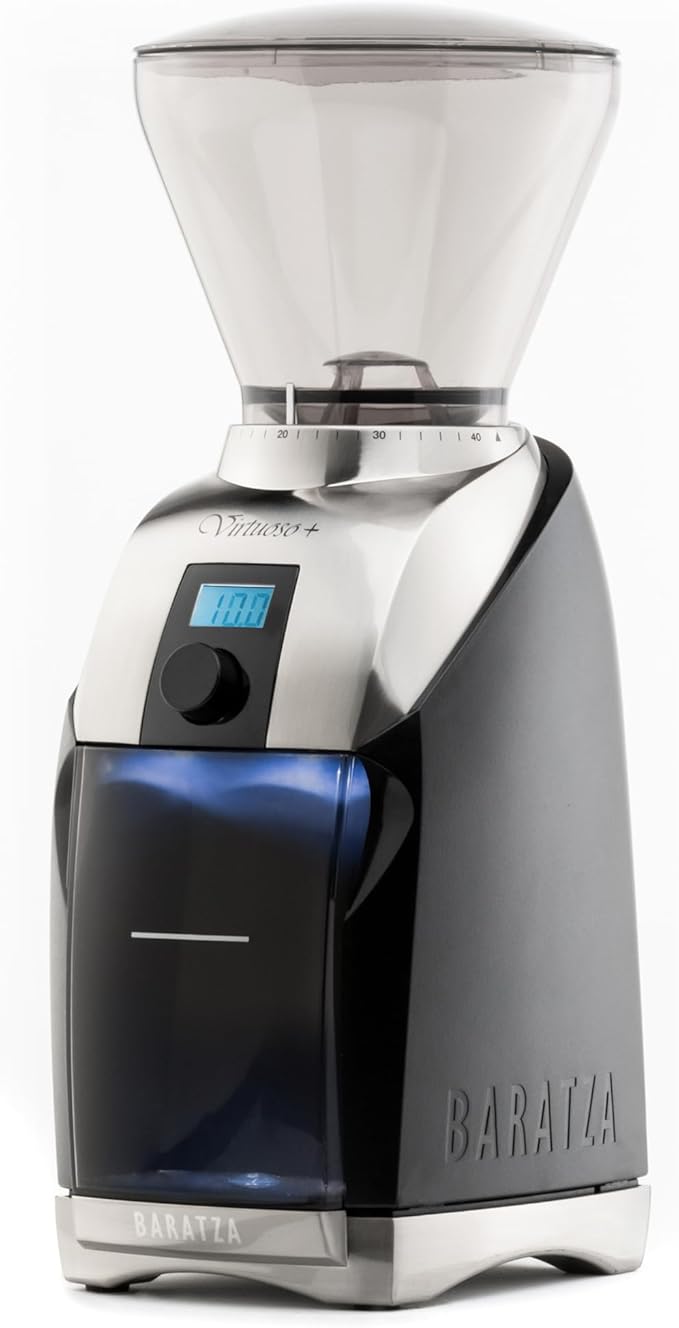
I buy 12-ounce bags weekly from a local roaster. The difference between week-one beans and month-old beans is night and day, you can literally taste the staleness as a cardboard finish that lingers.
> Pro Tip: Store beans in an airtight container at room temperature. Never refrigerate them. The moisture and odors will destroy them faster than air ever could.
Step 2: Grind Right Before Brewing (Every. Single. Time.)
Ground coffee loses its aromatic oils within minutes, not hours. I grind directly into my portafilter for every shot, no exceptions.
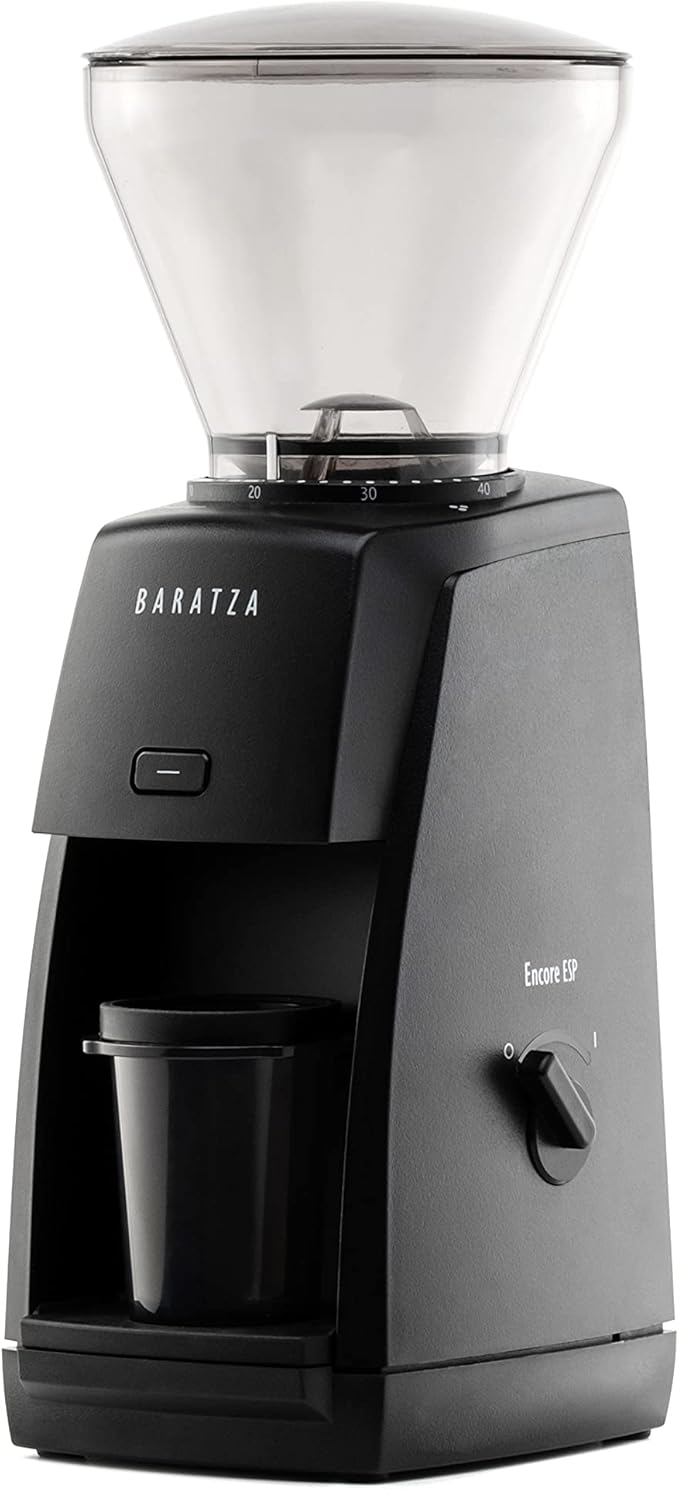
My current setup:
- Daily filter coffee driver: (workhorse, near-bulletproof)
- Dedicated espresso grinder: Breville Smart Grinder Pro (60 micro-settings let me dial in shots with surgical precision)
Step 3: Weigh Your Dose (18 Grams Is the Magic Number)
A $15 kitchen scale improved my espresso more than any $500 upgrade ever did. That's not hyperbole.
I dose 18 grams into a double basket. Every. Single. Time.
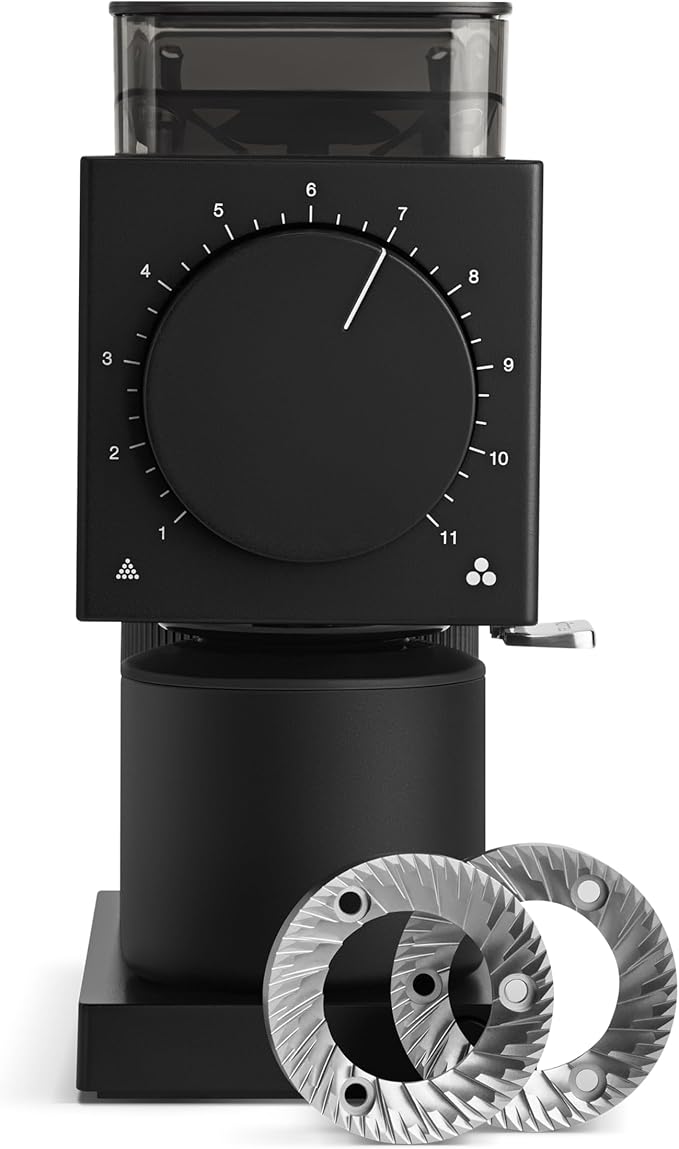
Before I started weighing, I was scooping anywhere from 14 to 22 grams without realizing it. That alone explains why my shots tasted like a different drink every morning. Some sour, some bitter, some thin, some sludgy.
> Game Changer: If you do ONE thing from this guide, buy a scale that measures to 0.1 grams. It'll transform your shots before you change anything else.
Step 4: Distribute and Tamp Like You Mean It
After grinding, give the portafilter a gentle tap to settle the grounds. Then:
- Distribute evenly with a WDT tool (or a thin needle) to break up clumps
- Level the bed so it's flat across the top
- Tamp with about 30 pounds of pressure, level and confident
- Polish the surface with a slight twist as you lift
See the Technique in Action
Reading about tamping and distribution only goes so far. This walkthrough breaks down the puck prep ritual that separates amateur shots from cafe-quality espresso:
The Numbers That Matter (Memorize These)
> The Golden Espresso Formula > > Dose: 18g coffee in > Yield: 36g espresso out (1:2 ratio) > Time: 25-30 seconds > Temp: 200F (93C) > Pressure: 9 bars
If your shot pulled in under 20 seconds, your grind is too coarse. Tighten it up.
If your shot took over 35 seconds or barely dripped out, your grind is too fine. Back it off a notch.
This adjustment process is called dialing in, and it's the single most important skill in home espresso. Expect to waste 3-5 shots every time you open a new bag of beans. It's not failure, it's tuition.
Expert Tips From 80 Pounds of Trial and Error
> Tip 1: Pre-warm everything. Cold portafilters and cups will tank your extraction temperature by 15-20 degrees. Run a blank shot first.
> Tip 2: Use filtered water. Tap water minerals will scale your boiler and mute your flavors. A simple pitcher filter works fine.
> Tip 3: Backflush weekly. A dirty group head wrecks taste faster than stale beans. Five minutes of maintenance saves five years of life on your machine.
> Tip 4: Taste, don't guess. A sour shot needs a finer grind (more extraction). A bitter shot needs a coarser grind (less extraction). Your tongue is the final instrument.
Final Thoughts: The Journey Is the Reward
Here's what I wish someone had told me back in 2026: making great espresso at home is a craft, not a transaction. You don't buy your way to perfection. You earn it, one shot at a time, with patience and a willingness to fail forward.
But once it clicks? Once you pull that first shot with thick honey-like crema, syrupy body, and a finish that lingers like a memory? You'll never look at your local cafe the same way again.
Now go grind something fresh. Your perfect morning is waiting.
Marcus Holloway is a home barista, gear obsessive, and recovering over-extractor. He pulls shots every morning in Portland, Oregon, and has personally tested every product recommended in this guide.
Related Reviews
- Beginner's Guide to Latte Art: How to Pour Hearts, Rosettas, and Tulips
- What Is the Best Grind Size for Espresso? A Complete Coffee Grinding Guide
- How to Clean and Descale Your Espresso Machine: Complete Maintenance Guide
- How to Dial In Espresso at Home: A Step-by-Step Guide
- How to Dial In Your Espresso Grinder for Perfect Shots Every Time
Key Takeaways
- Choosing the right how to make espresso at home means matching the key features to your specific needs and budget
- Read real customer reviews and check the return policy before you commit
- Also covers: is gaggia classic pro worth it
- Also covers: how to pull espresso shot at home
- Also covers: which espresso machine best for beginners
- Compare value across models — the priciest option is not always the best fit
People Also Ask
Is gaggia classic pro worth it?
See the full breakdown in the article above — we cover this in detail with real-world numbers and product recommendations.
How to pull espresso shot at home?
See the full breakdown in the article above — we cover this in detail with real-world numbers and product recommendations.
Which espresso machine best for beginners?
See the full breakdown in the article above — we cover this in detail with real-world numbers and product recommendations.
Why is my home espresso sour?
See the full breakdown in the article above — we cover this in detail with real-world numbers and product recommendations.
What grind size for espresso machine?
See the full breakdown in the article above — we cover this in detail with real-world numbers and product recommendations.
