If you are a 9 bar purist hunting for the best 9 bar espresso machines without flow control, the short answer in 2026 is to look for pump machines with a factory-set over-pressure valve (OPV) calibrated to 9 bar, a solid portafilter, and zero needle-valve gimmickry between the pump and the puck. The classic Breville Barista Express BES870XL remains the most recommended pick for traditionalists who want a vibratory pump and a regulated 9 bar shot without any paddle to twist. The Ninja Luxe Cafe Premier, Philips 4400 Series, and a couple of budget 20 bar pump machines round out the field for purists who simply want pressure to land on target and stay there.
Why 9 bar purists refuse flow control
Flow profiling is the espresso world's loudest trend, but a growing number of home baristas are pushing back. The 9 bar standard exists because Achille Gaggia's lever machines, and every commercial group head built on that lineage, were engineered to extract a 25 to 30 second double shot at exactly that pressure. Purists argue that a properly dialed grind, dose, and tamp already delivers a balanced extraction; bolting a flow control paddle onto the group head trades reproducibility for a fiddly variable that most people cannot taste under blind conditions.
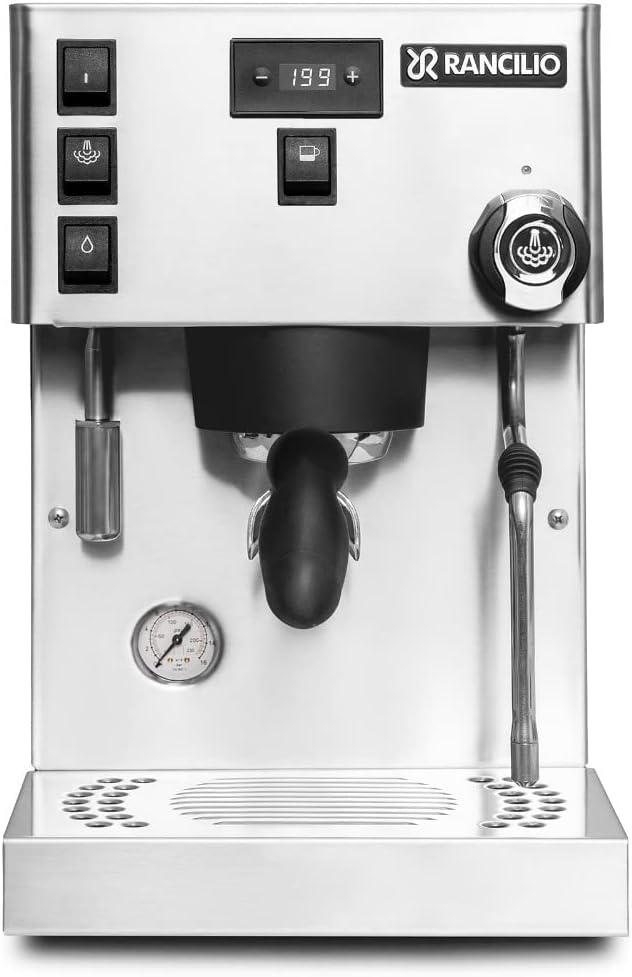
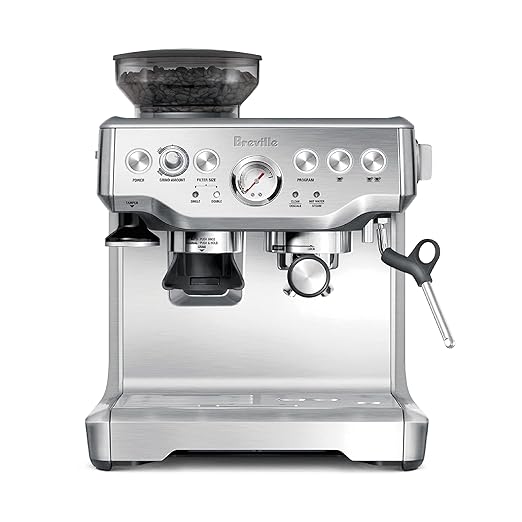
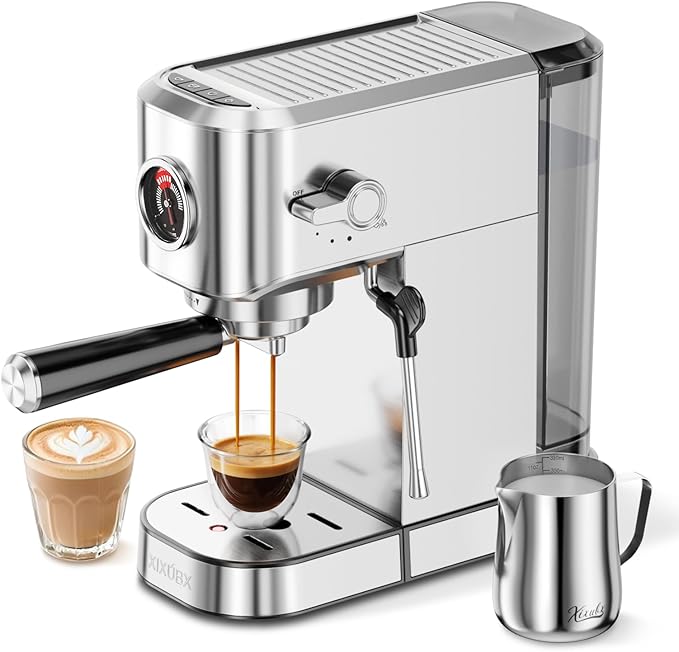
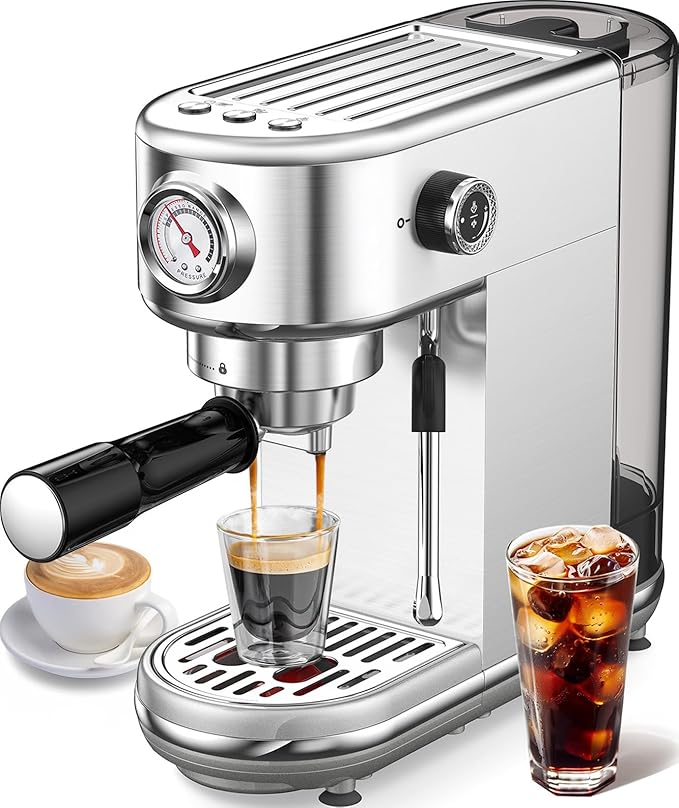
The best 9 bar espresso machines without flow control for this crowd share a few traits: an OPV regulated to 9 bar (even if the spec sheet advertises a 15 or 20 bar pump), a thermoblock or single boiler that recovers quickly, and a 54 mm or 58 mm portafilter that respects classic barista technique. You are not buying flexibility, you are buying repeatability.
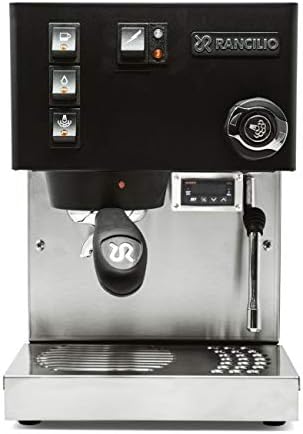
How OPV works and why the pump rating does not matter
Almost every home espresso machine on Amazon brags about 15 bar or 20 bar pumps. Ignore that number. Ulka vibratory pumps need a high static pressure to maintain flow under load, so manufacturers spec them at 15 to 20 bar. Inside the machine, an over-pressure valve bleeds excess pressure back to the reservoir, capping the pressure that actually reaches the puck at a target value, usually 9 bar. The shot you taste is the OPV setting, not the pump rating.
That means a 20 bar machine with a properly calibrated OPV is mechanically identical to a 9 bar machine from your espresso bar's perspective. What matters is whether the OPV is fixed at 9 bar, whether the manufacturer publishes the setting, and whether you can verify it with a portafilter gauge.
Comparison table: 9 bar machines without flow control
| Machine | Pump type | OPV target | Portafilter | Best for |
|---|---|---|---|---|
| Breville Barista Express BES870XL | 15 bar Italian vibratory | 9 bar (factory) | 54 mm pressurized + non | Traditional semi-auto purists |
| Ninja Luxe Cafe Premier | Auto-calibrating | 9 bar (auto-targeted) | 54 mm | Set-and-forget 9 bar fans |
| Philips 4400 Series | 15 bar fully automatic | 9 bar (factory) | Internal brew unit | Bean-to-cup convenience |
| atatix 20 Bar Espresso Machine | 20 bar vibratory | ~9 bar via OPV | 51 mm pressurized | Entry-level budget pick |
| XIXUBX 20 Bar Compact | 20 bar vibratory | ~9 bar via OPV | 51 mm pressurized | Apartment dwellers, small kitchens |
Our top picks for 2026
1. Breville Barista Express BES870XL — best overall for 9 bar purists
The Barista Express is the machine the rest of the field gets benchmarked against. Breville ships it with a 15 bar Italian vibratory pump regulated by an OPV that lands at 9 bar from the factory, and unlike the newer Barista Touch Impress and Express Impress, the BES870XL does not include any flow control paddle. You get a 54 mm portafilter, integrated conical burr grinder, manual steam wand, and a thermocoil that recovers fast enough for back-to-back doubles. For purists, the appeal is simple: dial the grind, lock in the dose, pull the lever, and let physics do the rest. No paddle, no profiling, no second-guessing. Check the latest price at Amazon.
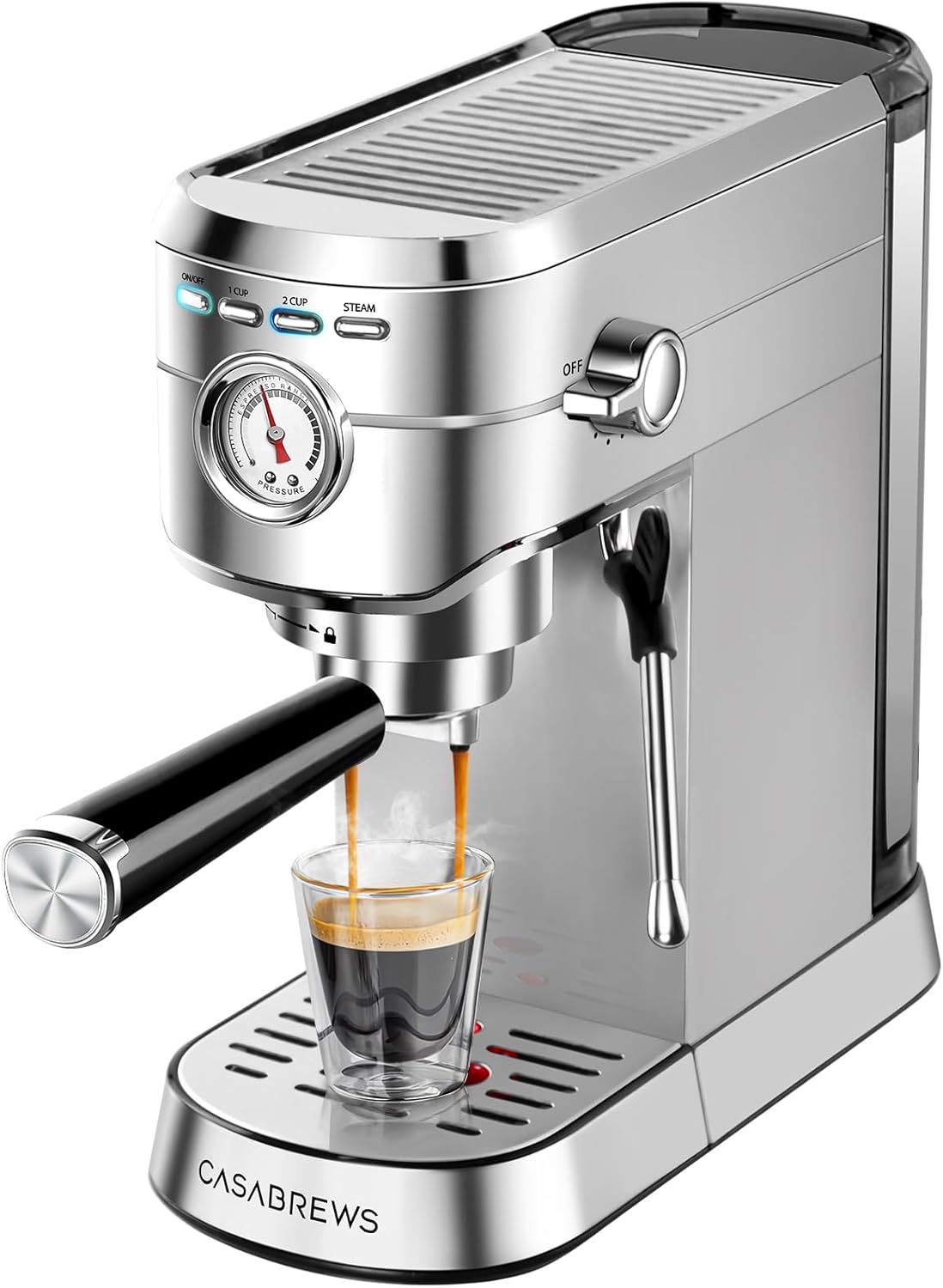
2. Ninja Luxe Cafe Premier — best semi-automated 9 bar machine
Ninja's Luxe Cafe is the surprise of the past two years. It uses an auto-calibrating extraction system that targets 9 bar at the puck and refuses to let you skew off it, which is exactly what a 9 bar purist actually wants. There is no flow control paddle, no manual profiling, and no pretense of being a prosumer lever clone. It also handles cold brew and pour-over, but for espresso the 54 mm portafilter and built-in grind assist will get most home users into the 25 to 30 second window faster than the Barista Express. If you want a machine that enforces 9 bar discipline without you having to verify it with a gauge, this is the pick. See it on Amazon.
3. Philips 4400 Series — best fully automatic without flow profiling
If you want espresso in the cup with zero technique on your part, the Philips 4400 Series is the cleanest path that still respects the 9 bar tradition. Philips uses a 15 bar pump regulated by a fixed OPV at 9 bar, paired with an internal ceramic grinder and a brew unit that tamps and extracts automatically. There is no flow control because there is no paddle, no profiling app, and no firmware that lets you mess with extraction pressure. The LatteGo milk system replaces the steam wand for users who would rather hit a button than freehand microfoam. For households where the secondary drinker just wants a reliable cappuccino, this beats wrestling a semi-auto every morning. View on Amazon.
4. atatix 20 Bar Espresso Machine — best budget pick
The atatix machine looks like every other affordable Italian-style espresso maker on Amazon, and that is sort of the point. It runs a 20 bar Ulka-style vibratory pump with a fixed OPV that bleeds pressure down to roughly 9 bar at the puck, and it ships with a 51 mm pressurized portafilter plus a basic steam wand for milk frothing. There is no flow control to argue with, no app, and no paddle. For a purist on a budget, especially one moving up from a Nespresso or Keurig, this is a sub-$200 way to learn the 9 bar discipline without committing to a Breville. Pair it with a decent burr grinder and you can pull defensible shots. Available on Amazon.
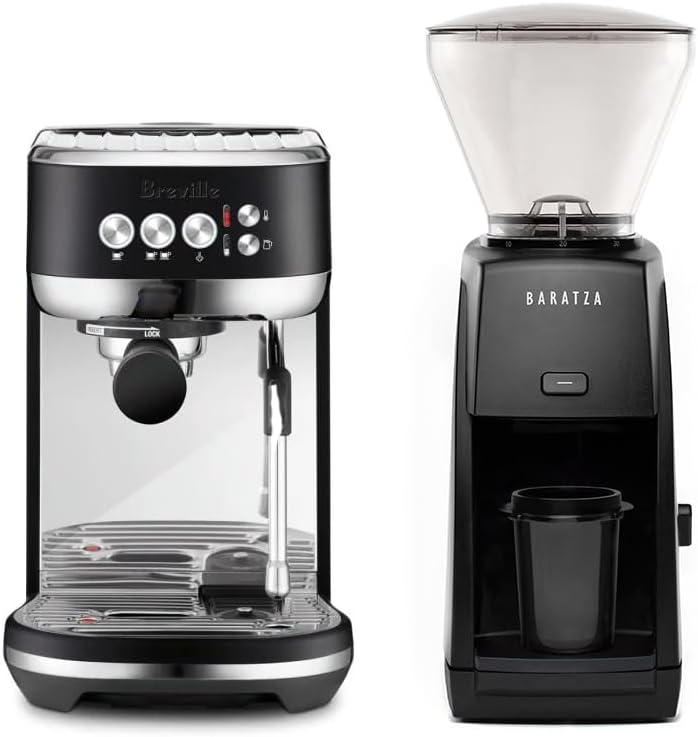
5. XIXUBX 20 Bar Compact — best for small kitchens
If counter space is the constraint, the XIXUBX Compact pulls the same trick as the atatix in a smaller stainless steel footprint. The 20 bar pump is regulated to about 9 bar at the puck, the portafilter is 51 mm, and there is no flow control hardware anywhere on the machine. The build is more polished than the price would suggest, and the steam wand is functional rather than impressive. This is the machine for apartment dwellers, RV setups, or anyone who wants a second espresso point in a home office without a Breville-sized appliance staring back. Check it on Amazon.
What to verify before you buy
Even among the best 9 bar espresso machines without flow control, a few things are worth checking before you commit. First, ask whether the OPV is user-adjustable. Some Breville owners eventually swap the factory OPV for an aftermarket spring set to 9 bar exactly, which is a five-minute fix. Second, confirm the portafilter size; 58 mm is the commercial standard, 54 mm is Breville's house size, and 51 mm is the budget norm. Third, verify the boiler type. A single thermoblock can pull back-to-back shots if you flush correctly, but a true dual boiler is overkill for a 9 bar purist who does not steam huge volumes of milk.
A good grinder matters more than any of this. A 9 bar extraction is only as repeatable as your grind, and most home baristas under-invest in grinders. If you are reading this and still using a blade grinder, fix that first.
Internal resources for further reading
If you want to go deeper on the surrounding gear and theory, see our guides on the best burr grinders for espresso in 2026, the difference between OPV pressure regulation and flow control, and our roundup of single boiler espresso machines worth buying.
Frequently Asked Questions
Is 9 bar still the gold standard for espresso in 2026?
Yes. While third-wave cafes have experimented with 6 bar and pressure-profiled shots, the SCA reference standard and virtually every Italian roaster's recommended brew parameter still target 9 bar at the puck during the extraction phase. The 9 bar number is baked into how espresso blends are roasted, so for traditional Italian and dark-roast espresso it remains the right setting.
Do I need flow control on a home espresso machine?
No. Flow control is a useful tool for cafe baristas working with rotating light-roast single origins where pre-infusion length needs constant tweaking. At home, on a fixed bean inventory, you can achieve the same balance by adjusting grind size, dose, and tamp. Most home users who add a flow control paddle stop using it within a few months once the novelty wears off.
What is the cheapest 9 bar espresso machine without flow control?
Under $200, the atatix 20 bar and XIXUBX 20 bar compact both rely on a factory OPV to deliver roughly 9 bar at the puck and ship without any flow control hardware. They are not as well built as a Breville, but they are honest 9 bar machines for the money.
Will a 15 or 20 bar pump ruin my espresso?
No, because almost none of that pressure reaches the coffee. The OPV inside the machine bleeds off the excess and caps the puck pressure at the regulated target, usually 9 bar. The pump rating only tells you the maximum static pressure the pump can hold; it does not tell you what the coffee sees.
Can I add flow control later if I change my mind?
On certain prosumer machines with an E61 group head you can retrofit a flow control kit, but on consumer-grade machines like the Breville Barista Express, Ninja Luxe Cafe, or any Philips automatic, there is no practical retrofit path. If you might ever want flow control, buy a machine that already has it; otherwise commit to the 9 bar purist setup.
Does the Breville Barista Express really have a 9 bar OPV from the factory?
Yes. Breville ships the BES870XL with an OPV that regulates puck pressure to approximately 9 bar. Owners who measure with a portafilter gauge typically see readings between 8.5 and 10 bar depending on basket and grind, which is well within the acceptable extraction range.
What grinder pairs best with a 9 bar machine without flow control?
Any conical or flat burr grinder with stepless or fine-stepped adjustment will work. Without flow control you cannot compensate for grinder drift in the cup, so a grinder with repeatable settings matters more than it would on a paddle-equipped machine. Hand grinders like the 1Zpresso J-Ultra and electric options like the Eureka Mignon Specialita are popular pairings.
Are super-automatic machines really 9 bar?
The Philips 4400 and similar super-automatic machines hit 9 bar at the puck through the same OPV mechanism used in semi-automatic machines. The difference is purely in user interface; the underlying hydraulics are the same.
Key Takeaways
- Choosing the right best 9 bar espresso machines without flow control means matching capacity and output ports to your actual devices
- Always check actual watt-hours (Wh), not just watts — runtime depends on Wh, not peak output
- Also covers: traditional 9 bar espresso machines
- Also covers: espresso machines no pressure profiling
- Also covers: 9 bar fixed pressure espresso
- Compare price-per-Wh across models to find the best value for your budget