The Ascaso Steel Duo PID for switching between espresso and americano is built around a workflow that single-boiler machines fumble: pull a balanced double shot at 200°F, then dispense 4-6 oz of stable hot water for the lengthening pour without watching temperature collapse or waiting through a recovery cycle. Two independent boilers (one brew, one steam/hot water) let you toggle between extraction and dilution in seconds, with the PID locking each circuit to a target you set. For home baristas drinking americanos more often than cappuccinos, this is the dual-boiler value sweet spot in 2026.
Why the espresso-to-americano workflow needs two boilers
An americano is technically simple — a double shot diluted with hot water to roughly a 1:2 or 1:3 espresso-to-water ratio — but the order of operations exposes the weakness of any single-boiler thermoblock. On a one-boiler machine, the same heating element has to hit ~200°F for brewing and then climb (or stay at) the much higher temperature needed for hot-water dispense. In practice this means the water that lengthens your shot is either too cool (muting aromatics and leaving a thin, sour finish) or you wait 30-60 seconds for the boiler to switch modes and stabilize, by which point your espresso has cooled and oxidized in the cup.
The Ascaso Steel Duo PID sidesteps this entirely. The brew boiler stays parked at your set brew temperature — commonly 200-203°F for medium roasts — while the second boiler holds steam and hot water at a higher independent setpoint. You pull the shot, swivel to the hot water wand, and pour 5 oz straight into the cup at a temperature that won't tank the drink. That is the whole pitch, and for americano-forward households it is the difference between a daily ritual and a daily compromise.
If you are still deciding whether the americano really benefits from this much hardware, our piece on americano vs long black pour ratios walks through how dilution temperature changes perceived sweetness and body.
What the Ascaso Steel Duo PID actually does well
Beyond the dual-boiler core, three things matter for the espresso-to-americano use case. First, the PID readout and setpoint adjustment let you dial brew temperature in 1° increments — useful when you move from a washed Ethiopian (which usually wants 201-203°F) to a darker Brazilian blend (often happier at 197-199°F). Second, the hot water tap is a true tap, not a steam wand cosplaying as one: the flow is smooth and quiet, so you can fill a cup without aerating or splashing. Third, the chassis is stainless steel with internal aluminum boilers, which means it heats fast (about 6-8 minutes from cold to ready) and holds temperature on a kitchen counter that may itself be cold at 6 a.m.
The trade-offs are honest. There is no grinder built in — you supply your own, and pairing matters (see our notes on grinders for prosumer espresso). The portafilter is 58mm commercial spec, which is a long-term win but means the bottomless and precision-basket aftermarket assumes some learning curve. And at its price point, the Steel Duo sits well above the entry tier — if you mostly drink one cup a morning and don't care about americanos specifically, a cheaper machine will get you 80% of the way.
Alternatives worth comparing
Most of the machines on Amazon at any given moment are not direct Steel Duo competitors — they are single-boiler or super-automatic builds aimed at different buyers. Still, several are reasonable cross-shops depending on which compromises you can live with, and seeing them side by side clarifies why the Ascaso commands its premium.
| Machine | Boiler setup | Americano workflow | Best for |
|---|---|---|---|
| Ascaso Steel Duo PID | Dual independent boilers, PID on both | Simultaneous shot + hot water, no wait | Home baristas drinking americanos daily |
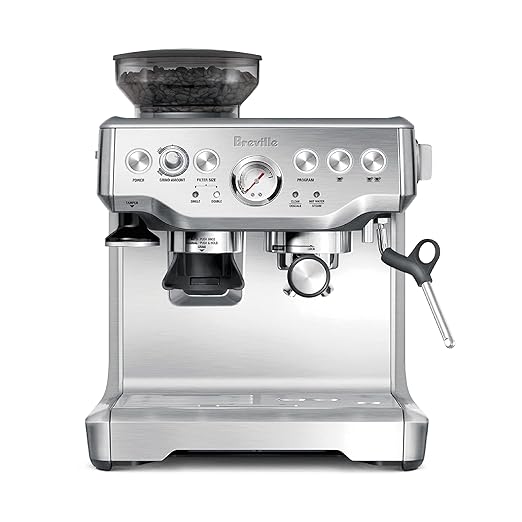
| Breville Barista Express BES870XL | Single thermocoil with PID | Sequential, 20-30s recovery between modes | Beginners wanting built-in grinder |
| Ninja Luxe Cafe Premier | Single thermojet with auto modes | Built-in americano preset, but lower brew temp ceiling | Push-button users who want minimal dialing |
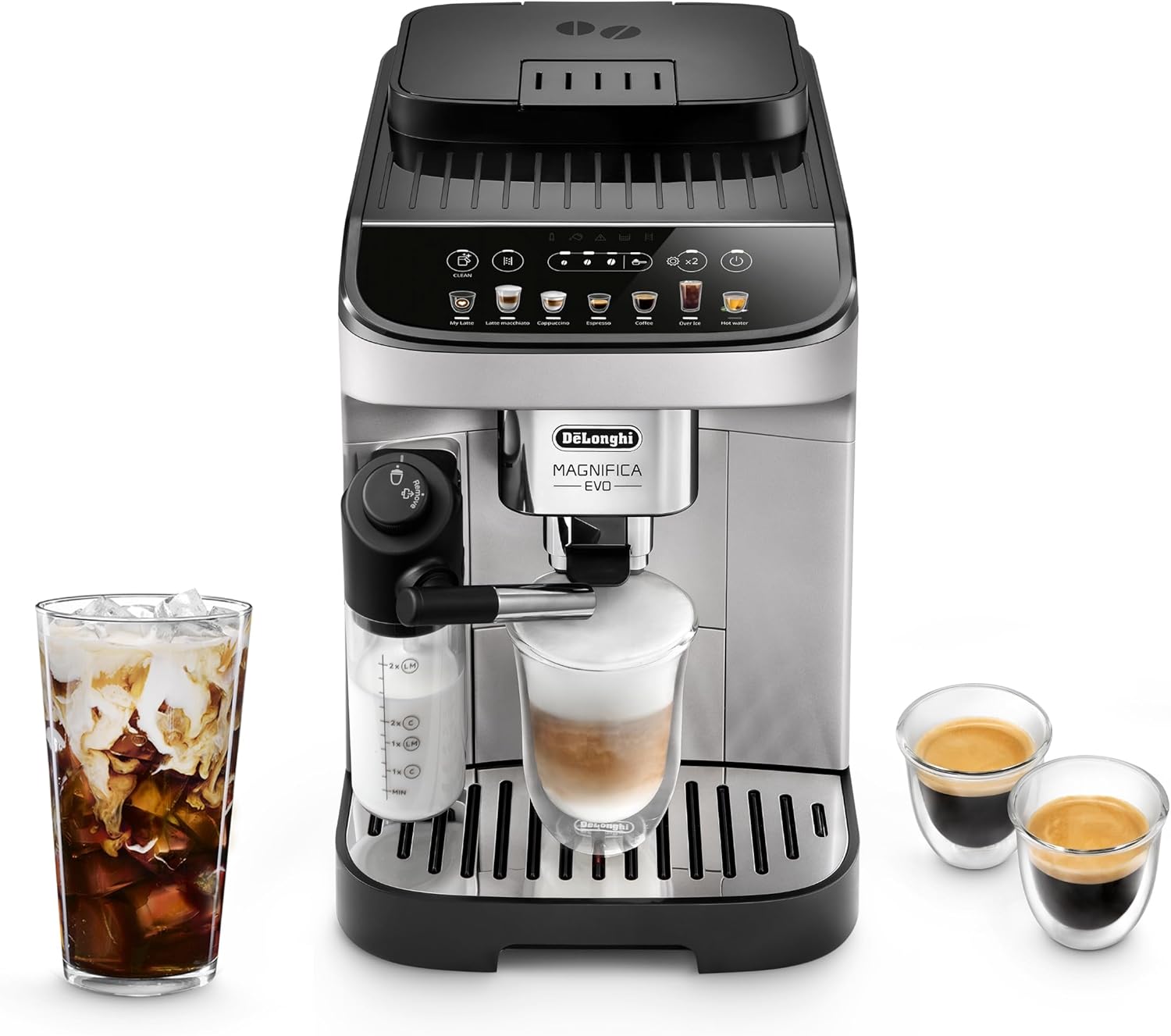
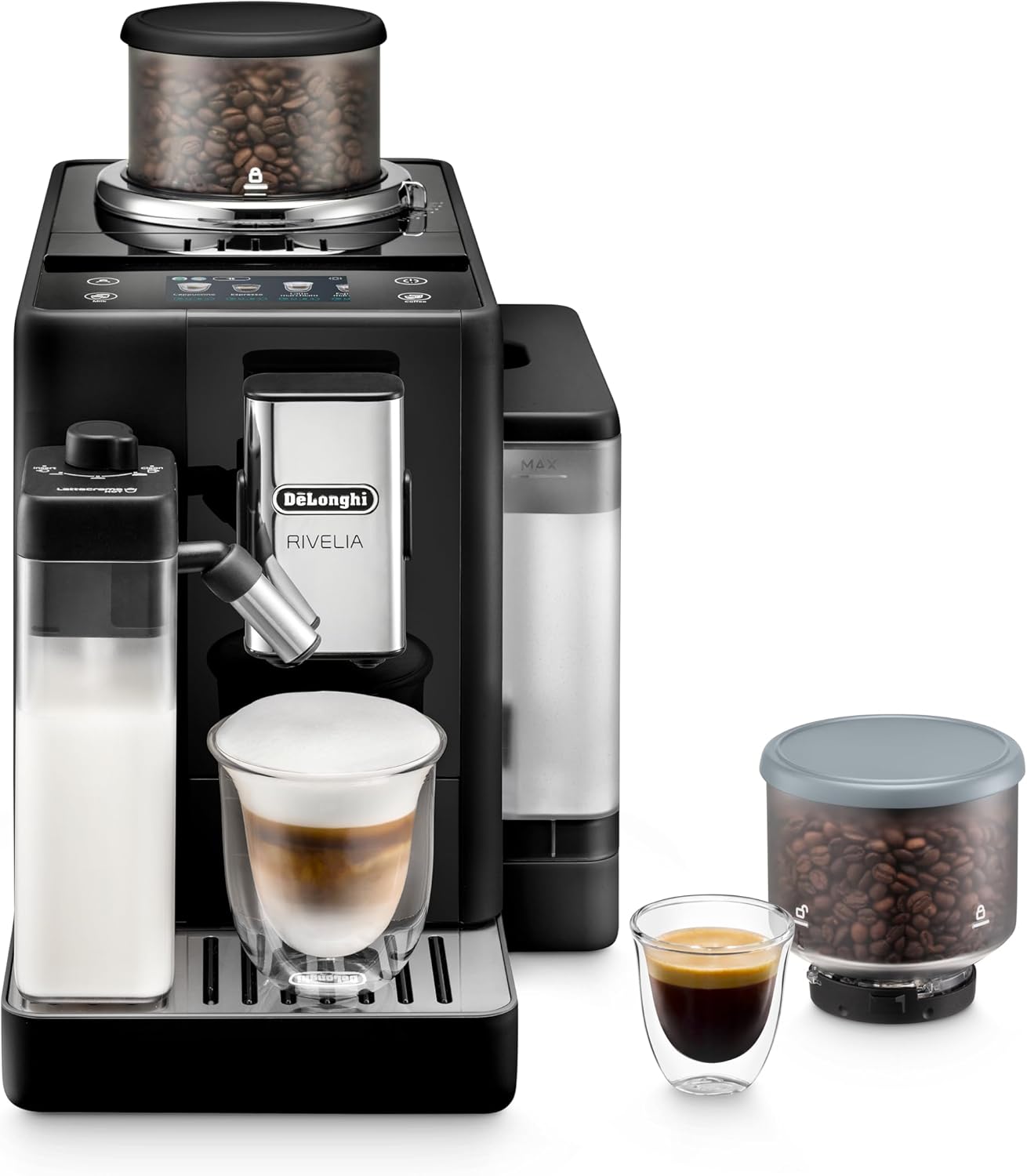
| Philips 4400 Series | Super-automatic, single boiler | One-touch americano with bean-to-cup convenience | Convenience-first households, no manual workflow |
| Budget 20-bar pump machines | Single thermoblock | Manual, long recovery, inconsistent temps | Trying espresso under $150 before committing |
Product picks for the espresso-to-americano workflow
Breville Barista Express BES870XL — the closest single-boiler cross-shop
The Barista Express remains the default recommendation for first-time espresso buyers in 2026 because it bundles a conical burr grinder, a 58mm portafilter, and a PID-stabilized thermocoil into one footprint at a fraction of prosumer pricing. For the americano use case specifically, you can pull your shot, then use the hot water tap on the right side to top up. It works — but the same heating element is doing both jobs, so you'll notice the hot water arrives cooler than ideal and there is a brief recovery period before you can steam milk afterward if you want a side cortado. If the Ascaso's price gives you pause, this is the rational step-down. Check the Breville Barista Express on Amazon.
Ninja Luxe Cafe Premier 3-in-1 — the automated americano shortcut
The Luxe Cafe Premier takes a different approach: rather than giving you manual control over two boilers, it bakes the americano into a preset and handles the dispense automatically. The thermojet heating system is quick to ready, and the auto-frothing wand is genuinely good for milk drinks if you also want occasional cappuccinos. The catch for serious home baristas is that the brew-temperature ceiling sits lower than a PID-controlled prosumer, so light Nordic roasts can come through under-extracted. For a household that wants an americano button more than a temperature surf, it is a strong pick. See the Ninja Luxe Cafe Premier on Amazon.
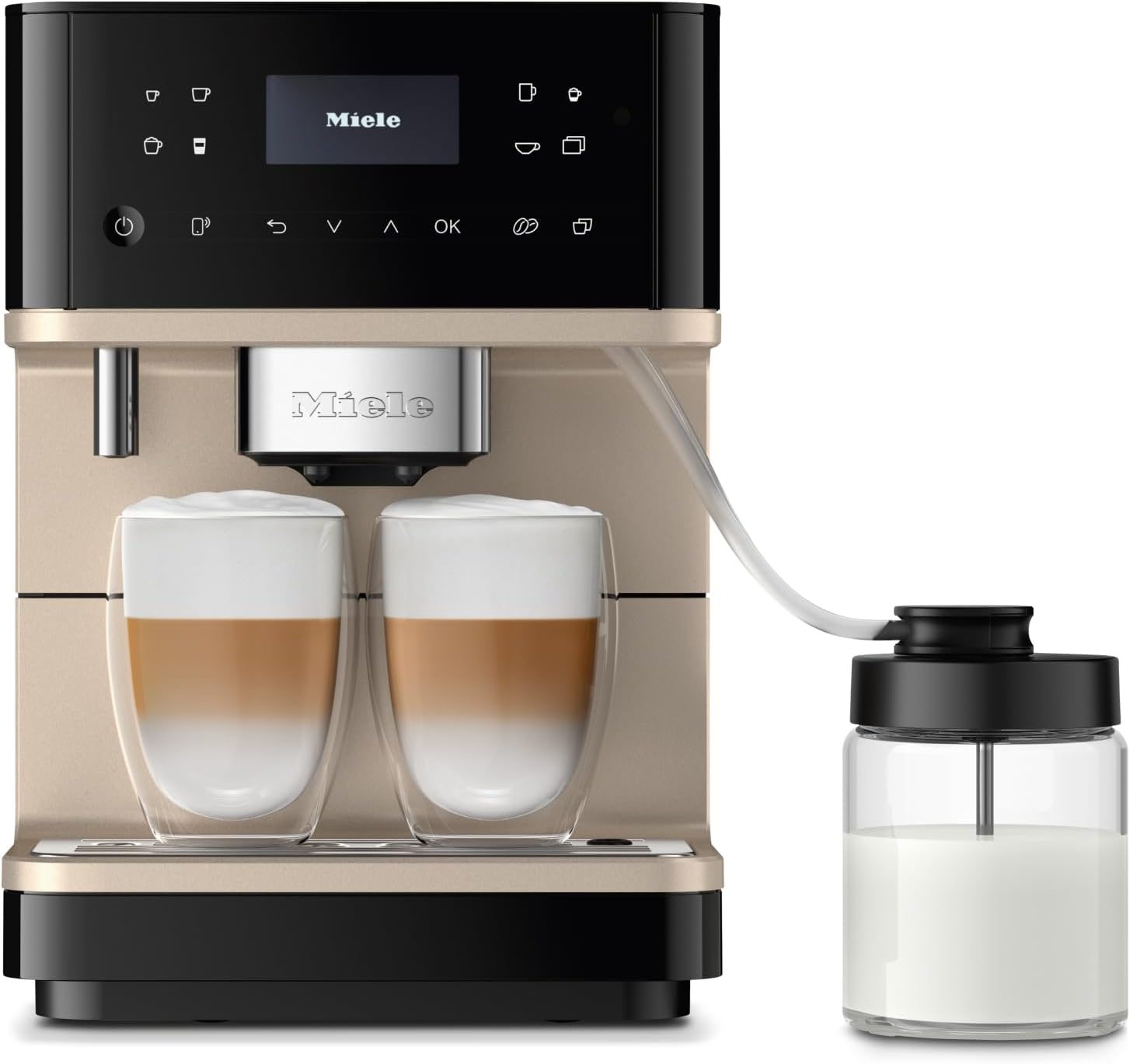
Philips 4400 Series — the super-automatic counterpoint
If the whole reason you are looking at the Ascaso Steel Duo PID for switching between espresso and americano is convenience rather than craft, a super-automatic flips the question. The Philips 4400 grinds, tamps, brews, and dispenses water through a touchscreen menu that includes an americano preset alongside coffee, espresso, and milk drinks. You give up the portafilter ritual and the ceiling on shot quality is lower than a prosumer machine with a good grinder, but you also gain a roughly 30-second total time from press to cup. View the Philips 4400 on Amazon.
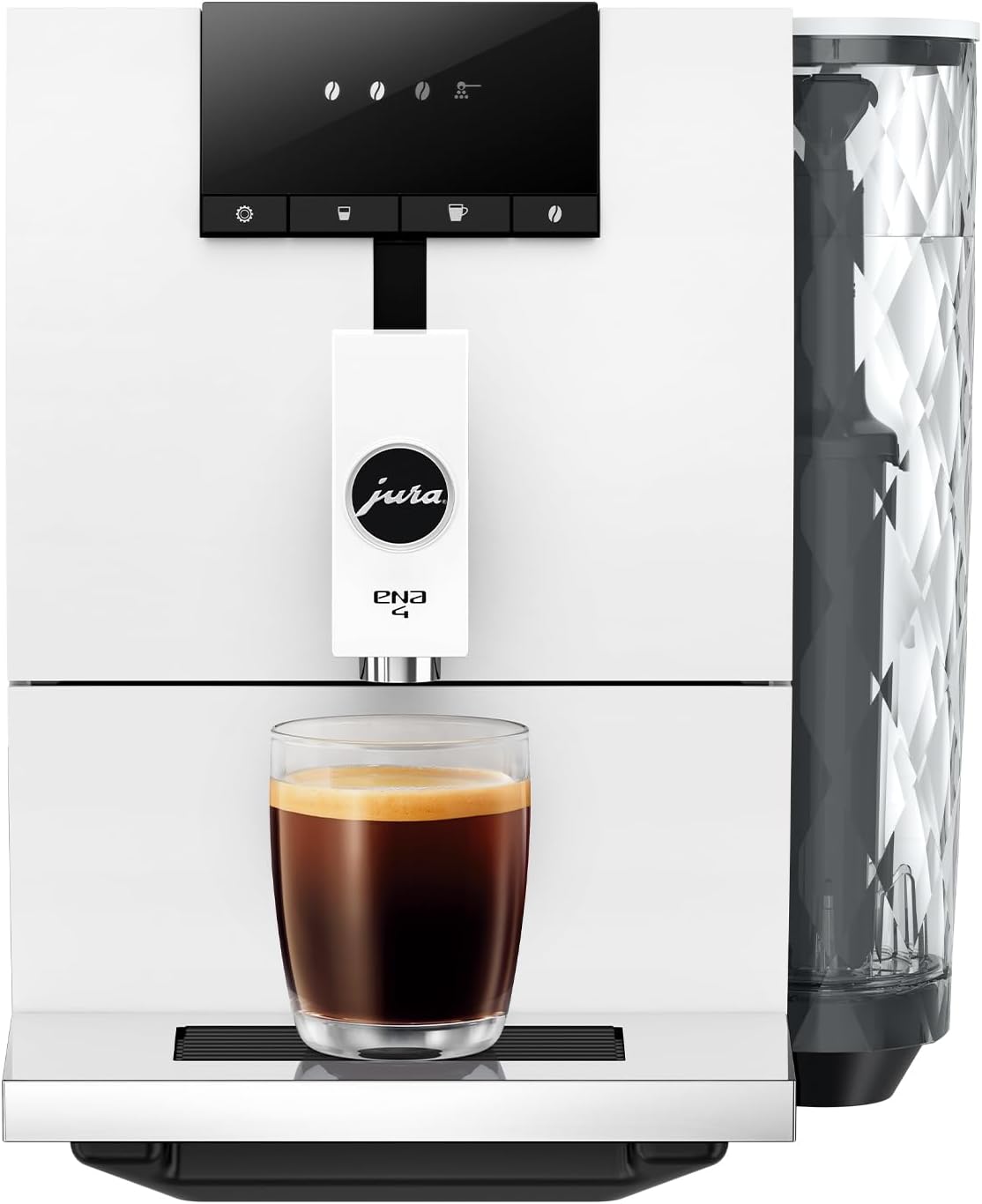
atatix 20 Bar Espresso Machine with Milk Frother — entry-tier testbed
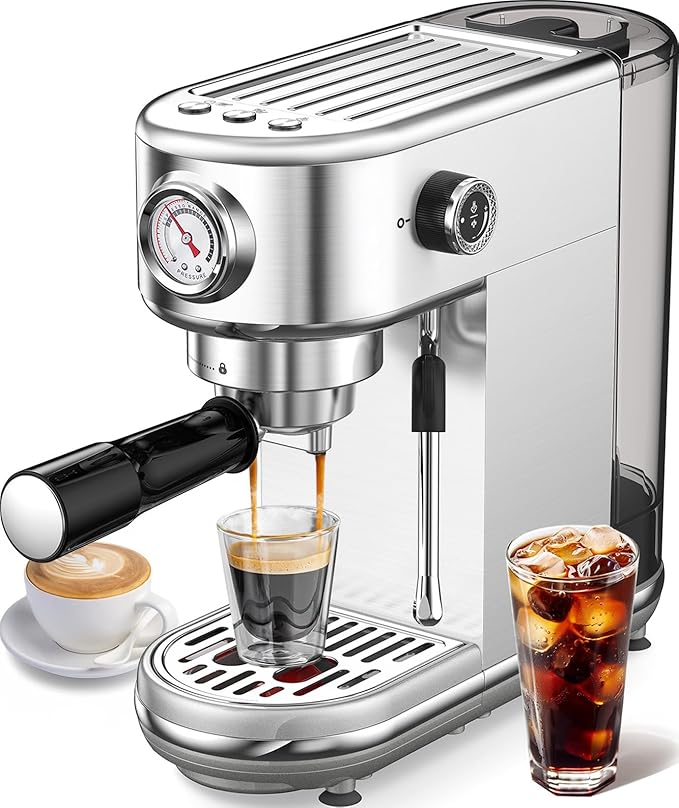
Not every reader is ready to spend prosumer money before confirming they actually want to make americanos at home. The atatix sits at the opposite end of the price spectrum: a 20-bar pump machine with a steam wand and milk frother, suitable for pressurized portafilter shots that approximate espresso closely enough to taste-test the daily habit. Treat it as a six-month commitment device. If you find yourself reaching for it every morning and wishing for hotter dilution water, that is your signal to upgrade to the Ascaso. Check the atatix on Amazon.
XIXUBX Compact Stainless Steel Espresso Maker — small-counter alternative
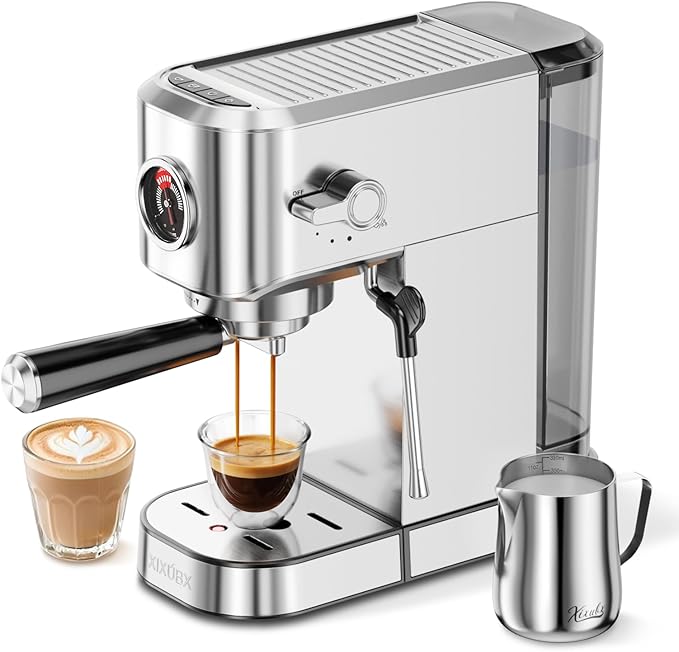
For apartments where the Ascaso's footprint is genuinely unworkable, the XIXUBX is a compact 20-bar stainless build that occupies roughly half the counter depth. It is still single-thermoblock and won't deliver the americano dilution stability of a dual boiler, but for a one-person household with limited space it gets you a daily americano from a real (if entry-level) pump machine. See the XIXUBX on Amazon.
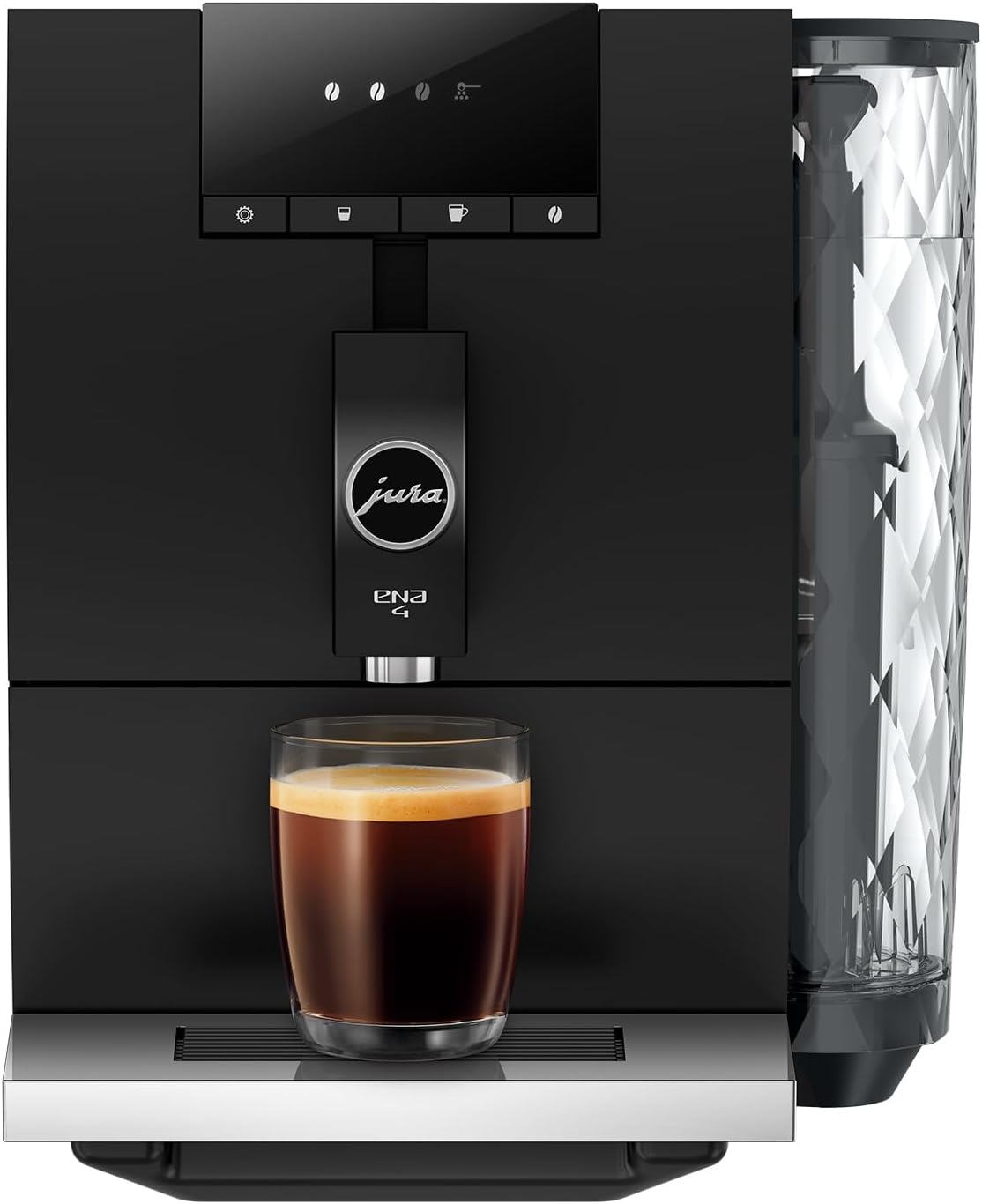
Dialing in the espresso-to-americano workflow on the Steel Duo
Once the machine is on your counter, the actual recipe is the easy part. Most home baristas land somewhere in this range: 18g in, 36g out in 27-32 seconds, then 5 oz of hot water added to the cup either before (American style, sometimes called "long black" when the espresso goes on top) or after the shot. The Ascaso lets you set brew temperature first, then move to the hot water tap without the machine fighting you on either end.
A few practical notes from a year of daily use:
- Preheat the cup. Even with a stable brew boiler, a cold ceramic cup will steal 8-10°F from your finished drink. Run hot water from the tap into the empty cup while you grind.
- Add water before the shot for crema preservation. Pouring hot water in first, then pulling the shot on top, keeps the crema layer intact longer — this is the long black method and is often more visually pleasing than the reverse.
- Calibrate your PID seasonally. Counter ambient temperature changes the effective brew temperature slightly. In summer you may run 1-2°F cooler than in winter.
- Use filtered water. Dual-boiler machines scale faster than you'd expect because they hold water at temperature continuously.
For a deeper look at how the PID interacts with extraction variables, our explainer on PID controllers in home espresso covers the underlying math and why 1°F changes are actually perceptible in the cup.
Frequently Asked Questions
Is the Ascaso Steel Duo PID worth it just for americanos?
If americanos are your primary drink and you make at least one a day, yes — the dual-boiler design eliminates the temperature compromise that plagues single-boiler machines on this specific drink. If you are mostly drinking straight espresso or cappuccinos, the americano-specific advantage matters less and a cheaper machine with PID may serve you fine.
How long does the Ascaso Steel Duo take to heat up from cold?
Roughly 6-8 minutes from a cold start to both boilers being at setpoint. This is faster than most heat-exchanger machines but slower than a thermoblock. Many owners put theirs on a smart plug set to power up 10 minutes before their morning alarm.
Can I steam milk and pull a shot at the same time on the Steel Duo?
Yes — that is the other major advantage of the dual-boiler layout. The brew boiler and steam boiler operate independently, so you can pull a shot while frothing milk for a flat white without either circuit dropping pressure or temperature.
What grinder pairs best with the Ascaso Steel Duo PID for americanos?
Any stepless or fine-stepped electric burr grinder in the prosumer tier will do justice to the machine. For americanos specifically, you have a bit more forgiveness than for straight espresso because the dilution mutes minor channeling, but a grinder with good retention control will still pay dividends in shot-to-shot consistency.
Does the hot water tap on the Steel Duo affect espresso temperature?
No, because it draws from the second boiler. Pulling 5-6 oz of hot water for an americano does not perturb the brew boiler's temperature at all, so back-to-back drinks for two people stay consistent.
What is the difference between an americano and a long black on this machine?
Mechanically, both use the same ingredients — espresso plus hot water in roughly a 1:2 to 1:3 ratio. The difference is order: an americano puts hot water in the cup first or the espresso into already-poured water, while a long black pulls the espresso onto pre-poured hot water specifically to preserve crema on top. The Steel Duo handles both equivalently.
How does the Ascaso Steel Duo compare to other dual-boiler home machines in 2026?
It sits in the middle of the dual-boiler tier — more refined than entry dual-boilers but without the rotary pump or PID-tunable pre-infusion of higher-end E61 machines. Our roundup of the best dual-boiler espresso machines for 2026 places it in context against competitors at similar and adjacent price points.
Bottom line
The Ascaso Steel Duo PID for switching between espresso and americano earns its place on the counter of any home barista whose daily drink involves dilution. The independent boilers solve a real, measurable problem — cold or unstable americano water — that no amount of single-boiler firmware cleverness can fully fix. If your habit is one americano a day, every morning, the upgrade pays back in cup quality and time saved every single brew. If your habit is more occasional, the Breville Barista Express or even the Ninja Luxe Cafe Premier may scratch the itch at a lower spend. Pick the machine that matches how often you actually pour water into espresso, not the aspirational version of your morning.
Key Takeaways
- Choosing the right Ascaso Steel Duo PID for switching between espresso and americano means matching capacity and output ports to your actual devices
- Always check actual watt-hours (Wh), not just watts — runtime depends on Wh, not peak output
- Also covers: Ascaso Steel Duo PID review dual use
- Also covers: Ascaso Duo PID americano workflow
- Also covers: Ascaso Steel Duo PID hot water tap
- Compare price-per-Wh across models to find the best value for your budget