If you're a pourover devotee eyeing your first espresso pull, the short answer is yes, the 1Zpresso ZP6 for filter drinkers trying espresso can absolutely produce a drinkable shot, but it wasn't designed as a daily espresso workhorse. The ZP6 uses a heptagonal external burr geometry that was tuned for clarity, sweetness, and tea-like separation in filter brews. That same geometry produces a wider particle distribution than dedicated espresso burrs, which means espresso shots will channel more easily and demand more puck prep discipline. For a curious filter brewer who pulls two or three shots a week alongside their V60 routine, the ZP6 is a sensible bridge grinder. For anyone pulling daily milk drinks, you'll outgrow it within a month.
This guide walks through what to realistically expect, how to dial in espresso on a filter-tuned grinder, and which entry- to mid-tier espresso machines forgive the ZP6's quirks best in 2026. We'll also cover when to upgrade and what the smartest pairing looks like for someone testing the espresso waters without committing to a second grinder.
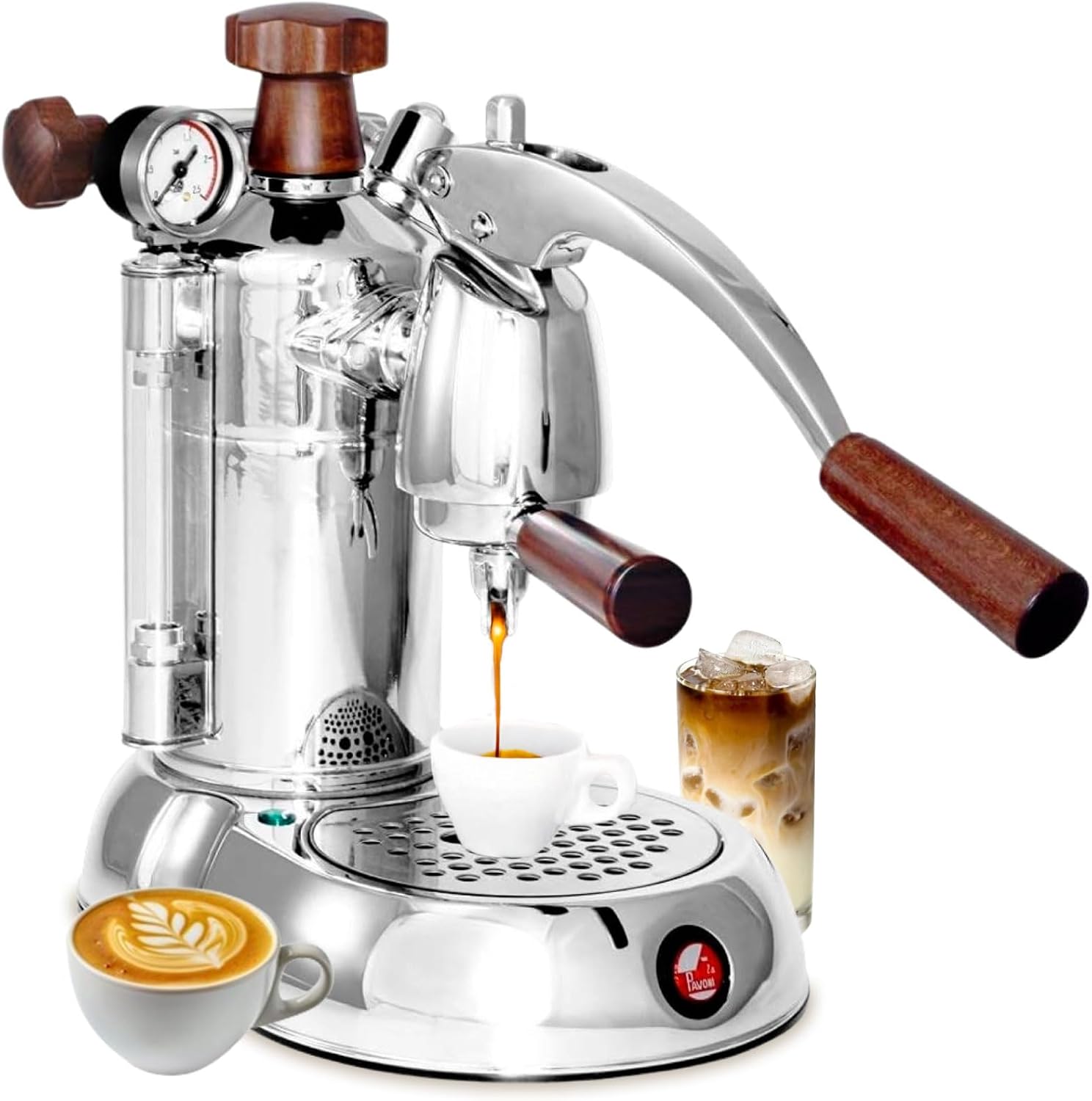
Why the ZP6 is a filter-first grinder (and what that means for espresso)
The ZP6 sits in 1Zpresso's pourover lineup alongside the K-Ultra and J-Max, but with a burr geometry that emphasizes uniform coarse-to-medium grinds. Its adjustment scale is roughly 90 microns per click on the outer dial, which is fantastic for fine-tuning Aeropress or Kalita Wave, but coarse compared to dedicated espresso grinders that move in 8-12 micron increments. The result: when you twist the dial toward espresso fine, each click is a substantial jump, and finding the sweet spot between gusher and choke takes more patience.
The ZP6 can physically grind fine enough for espresso. That's not the question. The question is whether the particle distribution at espresso settings gives you a balanced shot, and the honest answer is: with a forgiving machine and a well-distributed puck, yes. With a temperamental lever or naked portafilter setup, you'll fight it.
What "curious about espresso" actually looks like
Most filter drinkers who get espresso-curious fall into one of three camps:
- The weekend tinkerer who wants to pull a shot for an affogato or occasional flat white.
- The flavor explorer who wants to taste how a single-origin Ethiopian behaves under 9 bars versus 1:16 pourover.
- The future convert who suspects they'll switch to espresso daily within a year.
The 1Zpresso ZP6 for filter drinkers trying espresso fits the first two camps cleanly. For the third camp, you'll want to budget for a dedicated espresso grinder within six months, because the ZP6's incremental adjustment isn't precise enough to chase espresso parameters as beans age across a single bag.
Machine pairings: forgiveness is the priority
When you're grinding on a filter-tuned burr, the machine carries more of the load. Pressure profiling, pre-infusion, and pressurized baskets all help mask the wider particle distribution. Here are the four machines I'd consider for this specific use case.
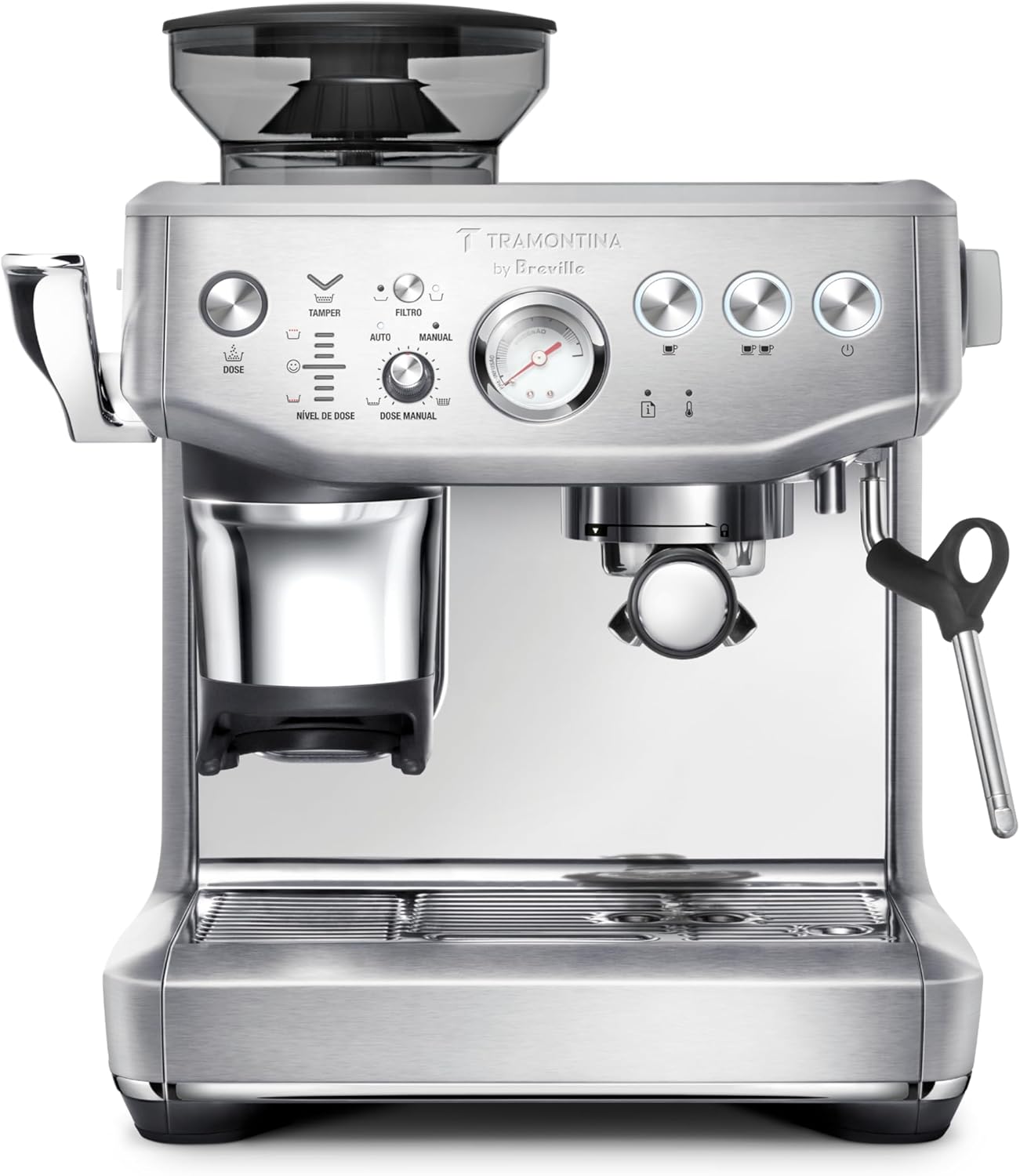
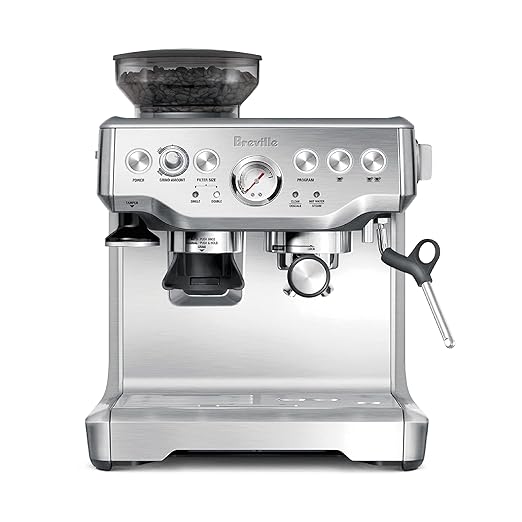
Breville Barista Express BES870XL — best overall pairing
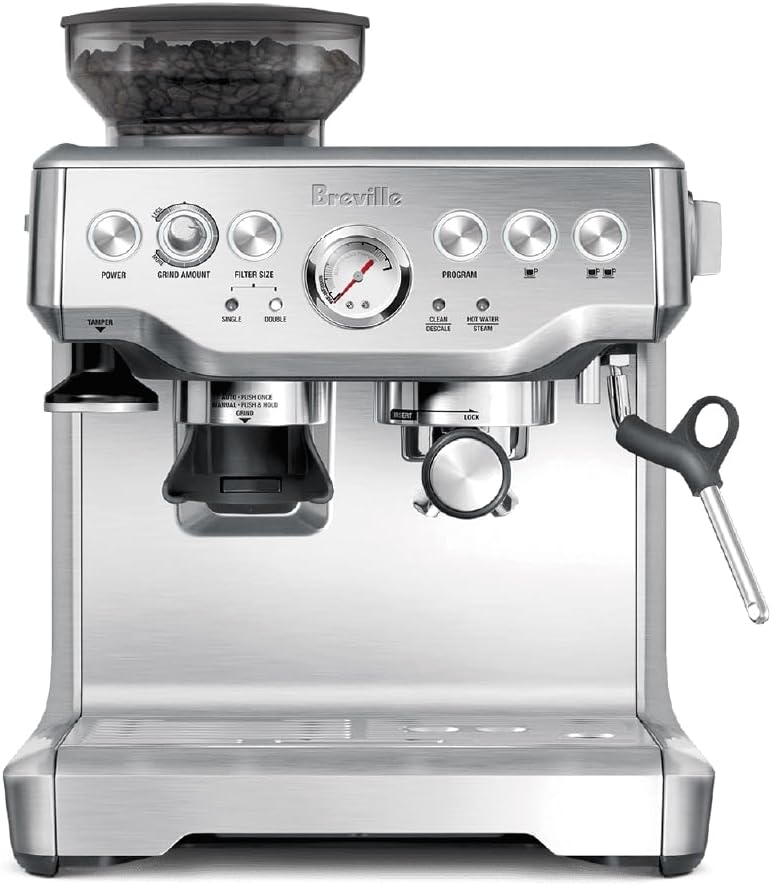
The Barista Express is the most forgiving prosumer-style machine you can buy under the price of a used car, and it pairs beautifully with a filter-leaning grinder because its dual-wall (pressurized) baskets create artificial back-pressure that compensates for less uniform grinds. You can use the single-wall baskets later as your puck prep improves. The PID-controlled boiler holds temperature within a degree, and the 54mm portafilter is large enough to work with for someone coming from filter brewing, where headspace and bloom dynamics matter.
For ZP6 users, the BES870XL is the sweet spot: forgiving baskets when you're learning, capable hardware when you're ready to upgrade your grinder. The built-in grinder is mediocre and can be ignored entirely — you're bringing your own. Check the Breville Barista Express on Amazon.
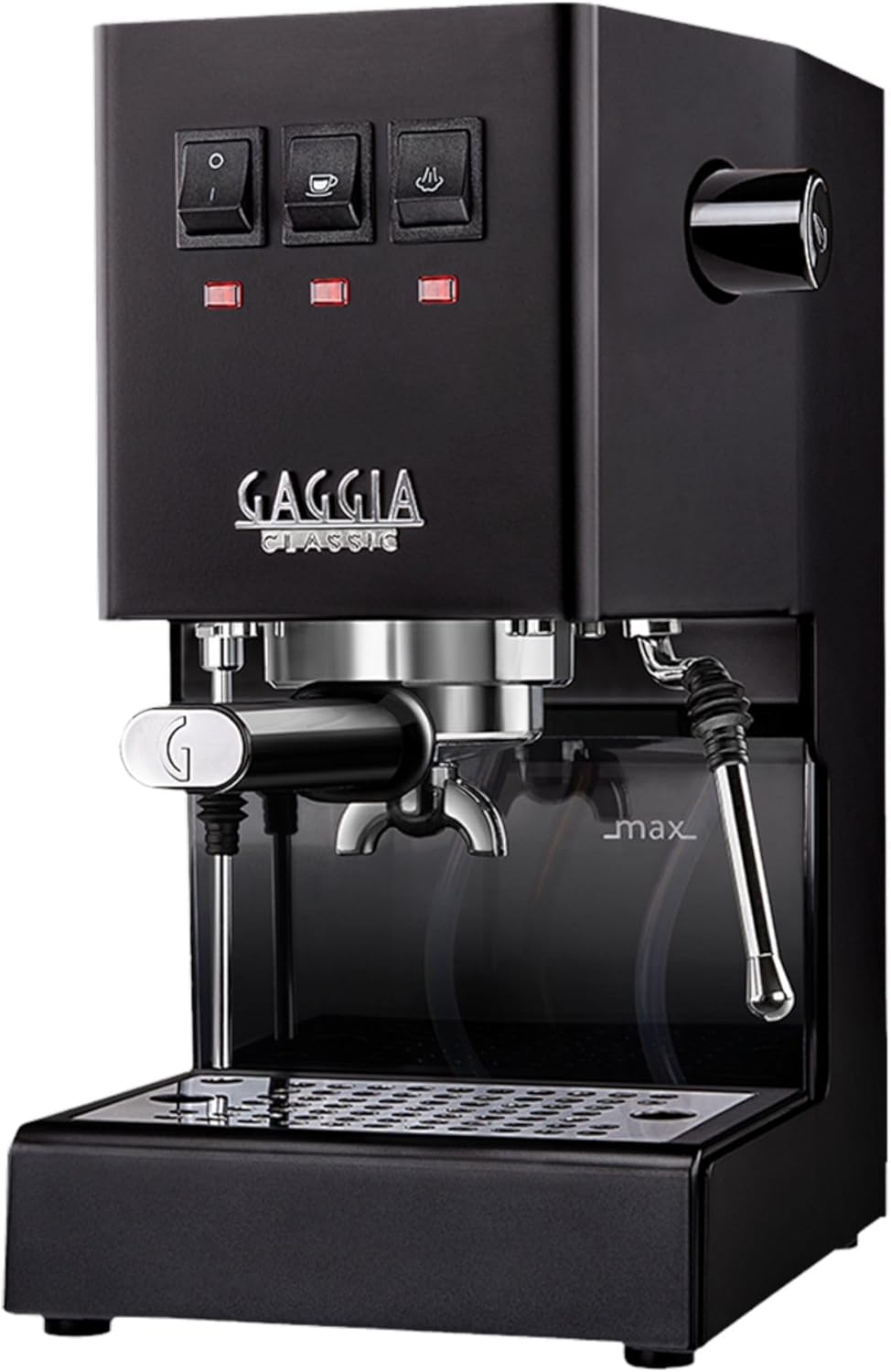
Ninja Luxe Cafe Premier 3-in-1 — best for the genuinely curious
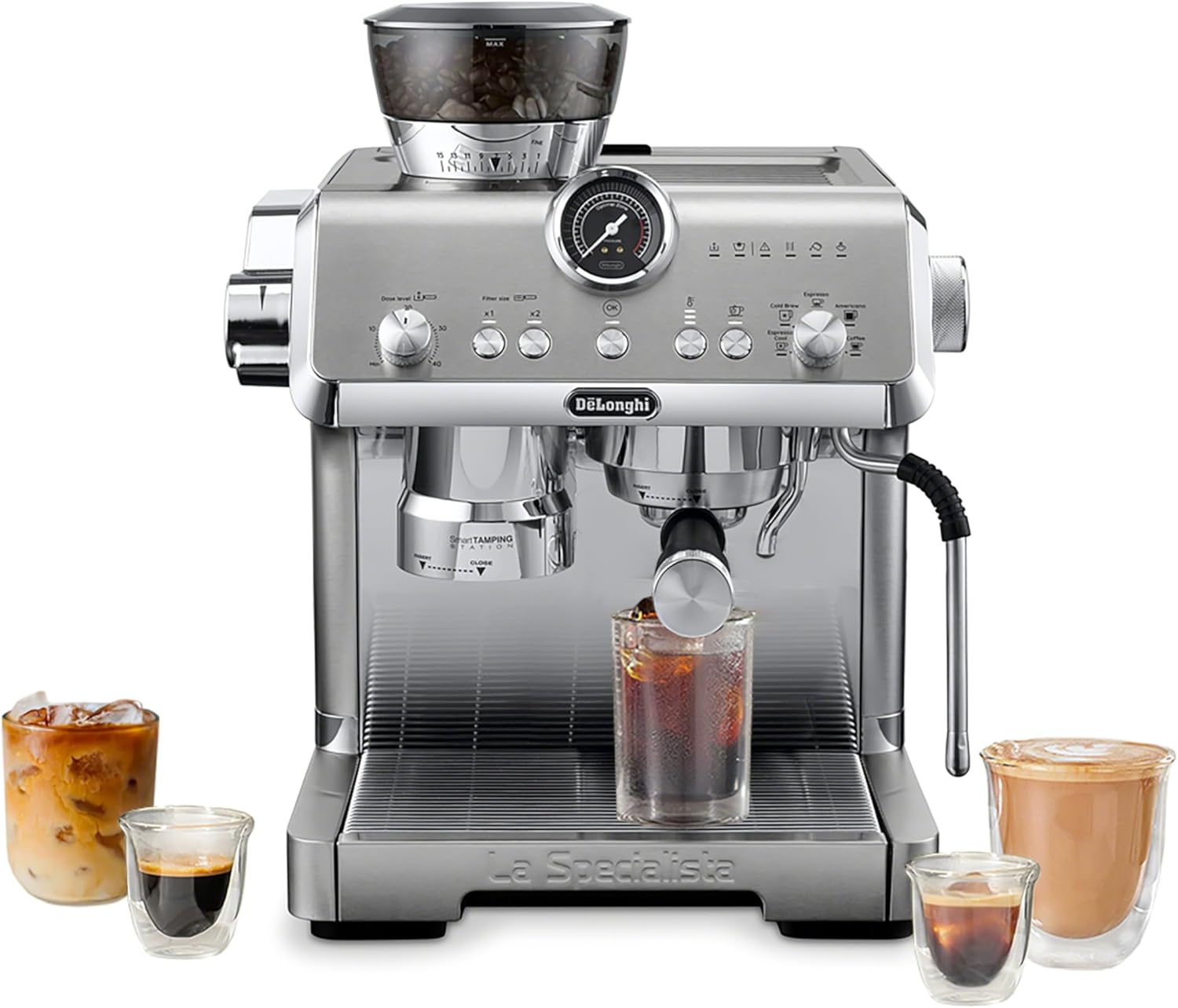
If you're not yet sure whether espresso will become a habit, the Ninja Luxe Cafe is the lowest-risk machine to test the waters. It pulls espresso, brews drip, and handles cold brew, which means even if espresso doesn't stick, the machine earns its counter space. Its assisted tamping and auto-dosing features lower the puck-prep barrier, which is exactly what a filter drinker using a ZP6 wants while learning. The trade-off is ceiling: a serious home barista will outgrow it.
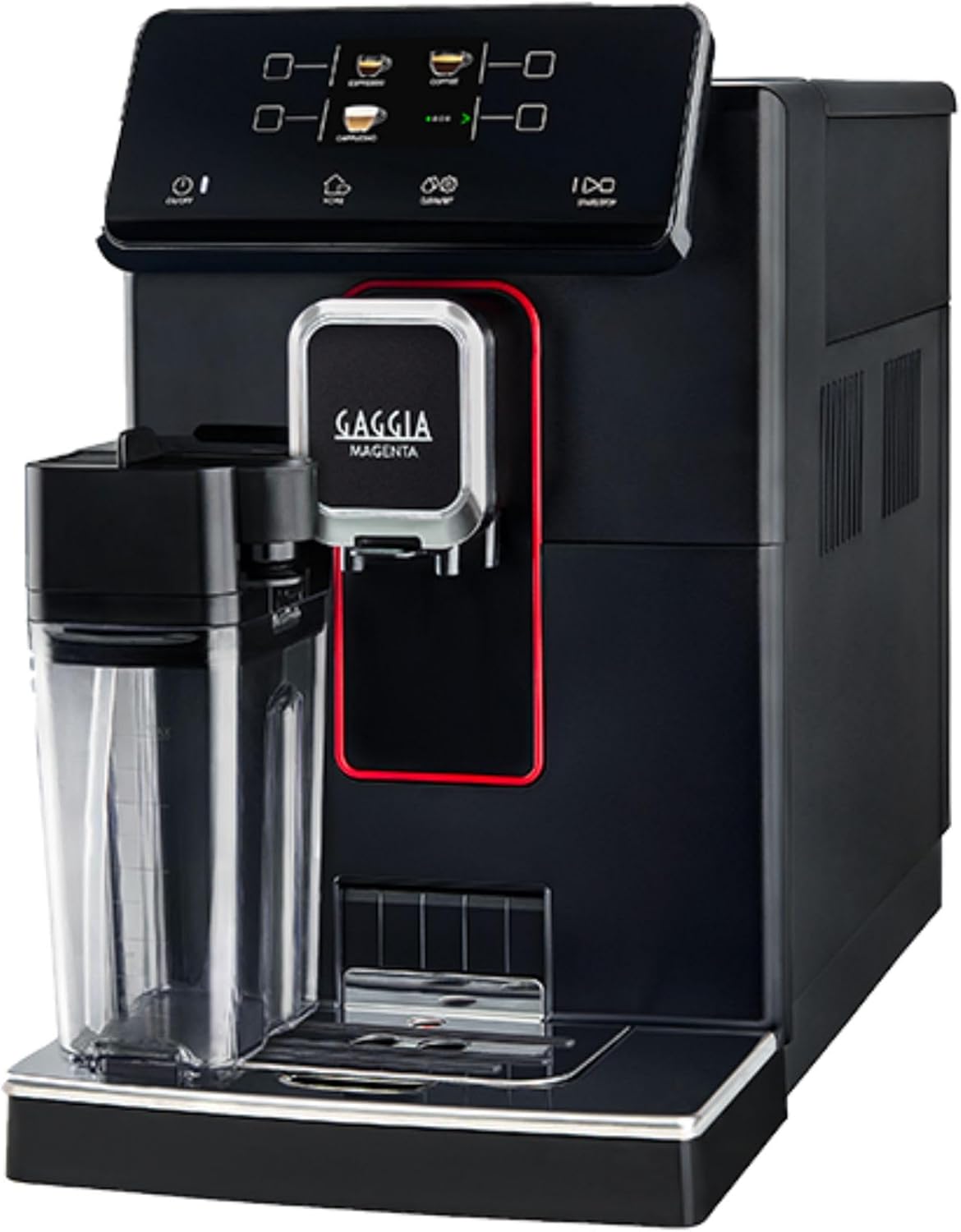
See the Ninja Luxe Cafe Premier on Amazon.
Philips 4400 Series Fully Automatic — for the convenience-first crowd
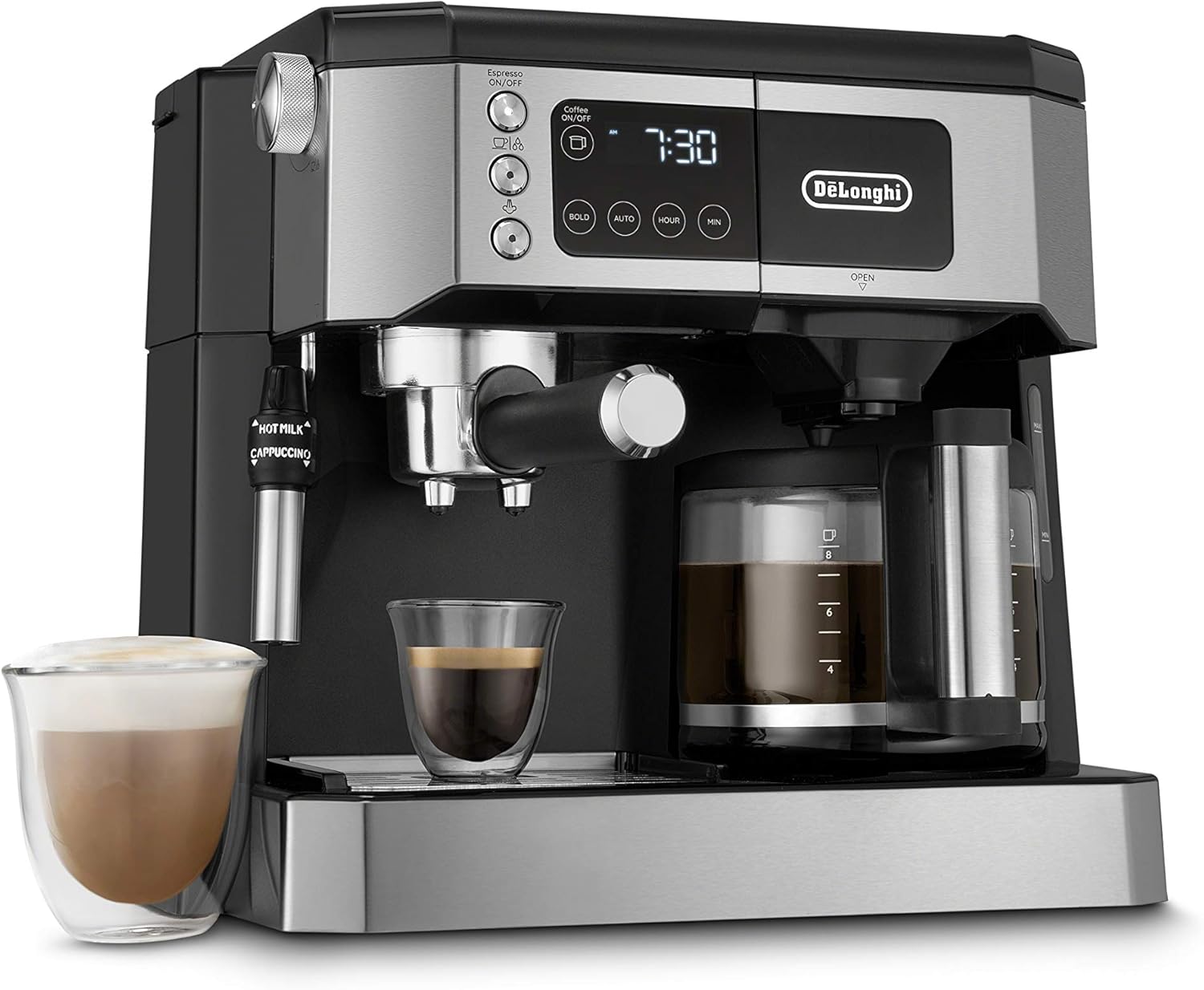
This is the wildcard. If you mostly want espresso-based milk drinks and only occasionally want to manually pull a shot with your ZP6, the Philips 4400 handles the daily latte habit with its built-in grinder and milk system, while leaving you free to manually portafilter when you want to play. Note: not every Philips 4400 model accepts ground coffee in a bypass chute, so verify before buying if that matters to you.
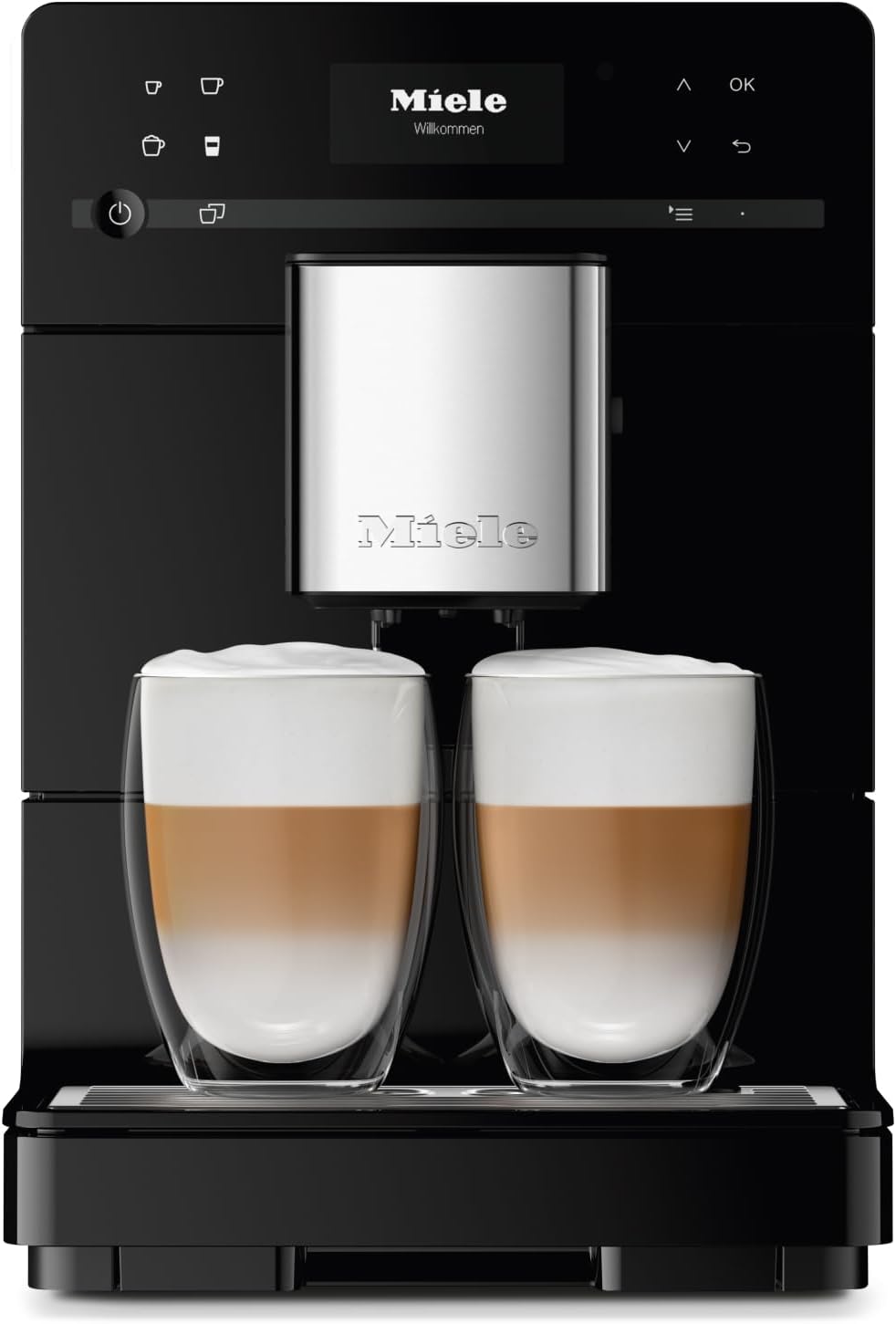
View the Philips 4400 Series on Amazon.
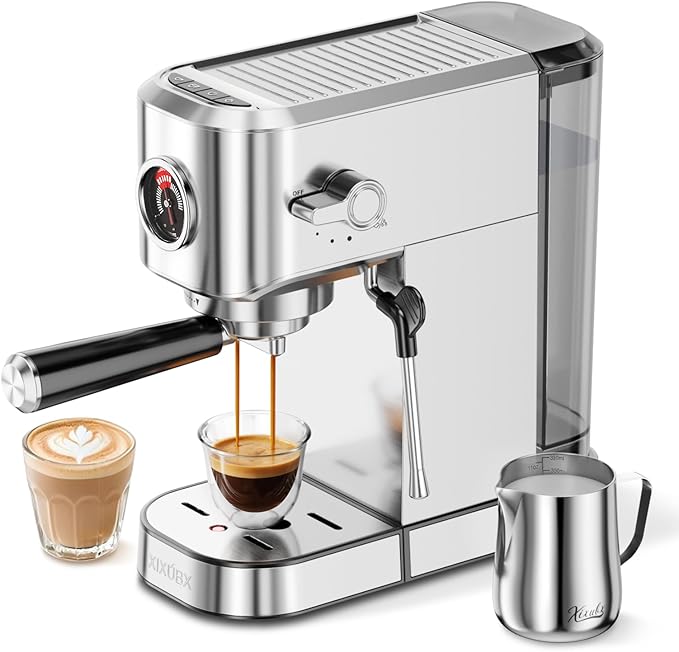
XIXUBX 20 Bar Compact — for the lowest-stakes experiment
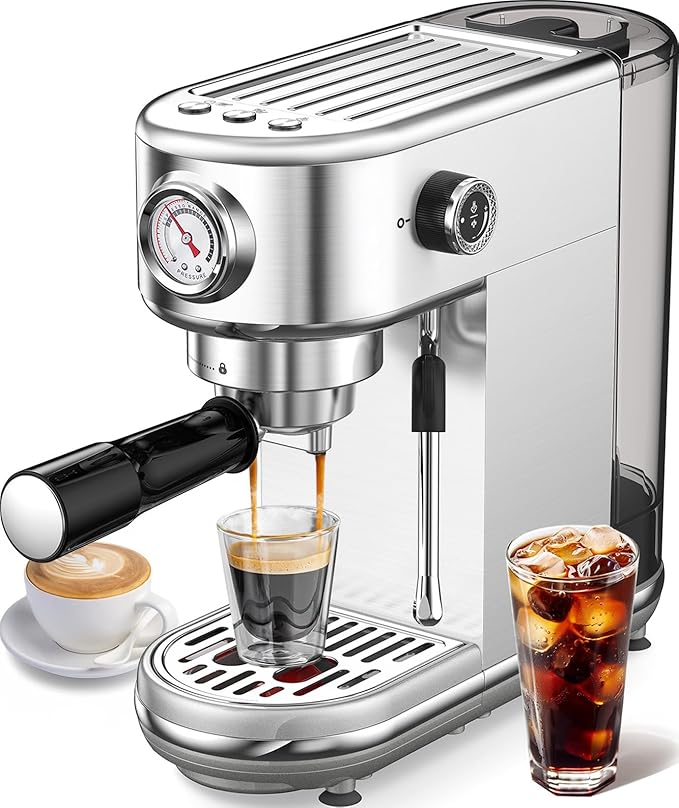
If you genuinely want to spend under $150 to find out whether espresso even interests you before buying anything serious, a compact 20-bar machine with a pressurized basket will produce a recognizable shot from a ZP6 grind. Don't expect specialty-cafe quality, but for a filter drinker who just wants to know what 1:2 ratios taste like from their favorite single-origin, it's a cheap, honest answer.
Check the XIXUBX espresso maker on Amazon.
atatix Espresso Machine with Milk Frother — budget all-in-one
Similar category to the XIXUBX, but with an attached steam wand for milk drinks. If your espresso curiosity is really cappuccino curiosity, this is the cheapest way to find out whether textured milk and a ZP6-ground shot scratches the itch you've been wondering about.
See the atatix machine on Amazon.
Comparison at a glance
| Machine | Best for | ZP6 forgiveness | Ceiling |
|---|---|---|---|
| Breville Barista Express | Long-term home barista | High (pressurized baskets) | High |
| Ninja Luxe Cafe Premier | Curious multi-method drinker | High (assisted prep) | Medium |
| Philips 4400 Series | Daily latte habit | N/A primarily, bypass varies | Medium |
| XIXUBX 20 Bar | Lowest-stakes experiment | High (pressurized) | Low |
| atatix 20 Bar | Budget cappuccino test | High (pressurized) | Low |
Dialing in espresso on a ZP6: realistic expectations
If you're committing to the 1Zpresso ZP6 for filter drinkers trying espresso, here's the workflow that actually works. Start at roughly 0.6.0 on the dial (six clicks from zero on the outer ring) as a baseline for a medium roast. Pull an 18g in, 36g out shot and time it. Aim for 25-32 seconds from the moment pump pressure starts.
Because each click is large, you'll often find yourself between two settings — one too fast, the next too slow. The fix is dose adjustment. If your shot at 0.6.0 runs in 18 seconds, don't grind finer; add a gram to the basket. If it chokes at 0.5.0, drop half a gram. This dose-based dialing is how filter-grinder users have always compensated for coarse adjustment increments.
WDT (Weiss Distribution Technique) with a needle tool matters more on a ZP6 than on a dedicated espresso grinder. Because the particle distribution is wider, channeling risk is higher, and a thorough WDT plus a leveling tool makes the difference between a sour, fast shot and a balanced one. Budget $30 for both tools — they're not optional in this setup.
When to upgrade the grinder
Watch for three signals. First, when you find yourself dialing in mid-bag every few days and the click-by-click jumps frustrate you, that's burr resolution begging for an upgrade. Second, when you start pulling more than 10 shots a week and the hand-grinding fatigue stops being charming. Third, when you taste a friend's espresso pulled on a Niche Zero or DF64 and realize what you've been missing on clarity and sweetness.
For most filter drinkers, the ZP6 buys you 6-12 months of espresso exploration before any of those signals fire. That's enough time to know whether espresso is sticking, which is exactly its job in this pairing.
For more on building out a home setup, see our guides on best espresso machines under $500, hand grinders versus electric for espresso, and the 1Zpresso ZP6 vs K-Ultra comparison.
Frequently Asked Questions
Can the 1Zpresso ZP6 actually grind fine enough for espresso?
Yes. The ZP6 reaches espresso-fine grind settings, typically between the 0.4.0 and 0.7.0 range on the outer dial depending on bean roast level and freshness. The constraint isn't fineness — it's that each click moves about 90 microns, which is roughly 8-10x larger than a dedicated espresso grinder's adjustment increment. You compensate with dose adjustments.
Will I damage the ZP6 burrs by grinding espresso-fine?
No. The ZP6's heptagonal external burrs are stainless steel and rated for espresso-fine settings. The wear from occasional espresso grinding is negligible compared to its filter use. Just brush out the chamber more often, because fine particles cling to the static-prone interior more than coarse pourover grinds.
Is the ZP6 better than the K-Ultra for espresso curiosity?
For occasional espresso, the K-Ultra is slightly better suited because its burr geometry is more versatile across the brew spectrum. The ZP6 is more specialized for filter clarity. If espresso is genuinely on your roadmap, the K-Ultra or J-Max are smarter buys. If you already own the ZP6, it'll work.
What's the best espresso machine to pair with a filter-tuned hand grinder?
The Breville Barista Express BES870XL is the consensus pick for forgiving grinder pairing because of its pressurized baskets and PID temperature control. It masks grinder inconsistencies while you're learning and remains capable as your technique improves.
How many shots can I realistically pull per day on a ZP6?
Two to four shots is the practical ceiling before hand fatigue becomes a real issue. The ZP6 takes about 30-40 seconds of cranking for an 18g dose at espresso settings, versus 15-20 seconds at pourover settings. Beyond four shots a day, you should be looking at an electric grinder.
Will pressurized baskets save me from bad ZP6 espresso grinds?
Largely, yes. Pressurized (dual-wall) baskets create artificial back-pressure that produces a recognizable, crema-topped shot even with imperfect grind distribution. The trade-off is reduced extraction nuance — you're masking, not solving, the grind issue. But for filter drinkers exploring espresso, that masking is genuinely useful.
Should I just buy a second grinder instead?
If your espresso interest is genuine and growing, eventually yes. A dedicated espresso grinder like a DF54 or Niche Duo will outperform any filter-tuned grinder at espresso. But for the exploration phase — the first three to six months of asking "is this for me?" — the ZP6 is sufficient and lets you delay a $400-700 grinder purchase until you actually know the answer.
Key Takeaways
- Choosing the right 1Zpresso ZP6 for filter drinkers trying espresso means matching capacity and output ports to your actual devices
- Always check actual watt-hours (Wh), not just watts — runtime depends on Wh, not peak output
- Also covers: 1Zpresso ZP6 espresso capable
- Also covers: ZP6 vs ZP7 espresso
- Also covers: ZP6 fine grind espresso range
- Compare price-per-Wh across models to find the best value for your budget