Quick Picks: Best Machines for Steaming Milk
| Machine | Best For | Steam Wand Quality | Price | Link |
|---|---|---|---|---|
| Breville | Beginners learning microfoam | Good (single-hole, forgiving) | Check price on Amazon | Check Price on Amazon |
| Breville Barista Pro | Faster workflow, hotter steam | Excellent (powerful, fast) | Check price on Amazon | Check Price on Amazon |
| Gaggia Classic Pro | Enthusiasts who want commercial feel | Excellent (commercial-style) | Check price on Amazon |
Top Picks
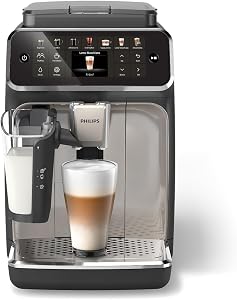
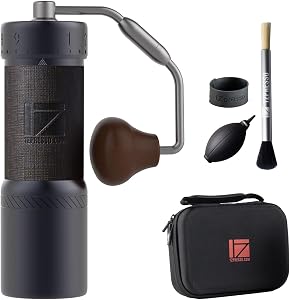
If you want to know how to steam milk at home and actually pour latte art that doesn't look like a Rorschach test, the short answer is this: you need cold whole milk, a steam wand with enough pressure to spin the milk in a vortex, and a cheap thermometer until your hand learns what 140°F feels like. That's the whole game. Everything else, including the $900 machine on your counter, is just supporting equipment.
I've been pulling shots and steaming milk in my home kitchen for the better part of nine years, and I trained behind the bar at two specialty cafes in Seattle before I went full-time into reviewing gear. This guide is the same routine I use every morning, distilled down so you can skip the three months of squeaky, bubbly foam I had to suffer through.
The Problem: Why Home Steamed Milk Usually Fails
Most home espresso machines produce milk that's either flat and scalded or full of giant soap-bubble foam you could shave with. The reason is almost always one of three things: the steam wand doesn't have enough pressure, the user is positioning the tip wrong, or the milk got too hot before any texturing happened.
Real microfoam, the wet-paint texture you see in a good cappuccino, is a suspension of microscopic air bubbles in heated milk proteins. You don't whip it in. You stretch it in during the first three or four seconds, then you spin it smooth.
What Microfoam Actually Looks and Sounds Like
Here's the thing nobody told me when I started: properly stretching milk should sound like tearing paper, not like a kettle whistle. If you hear screeching, your wand tip is too deep. If you hear loud slurping or chuffing, the tip is too shallow and you're injecting bowling-ball-sized bubbles.
When it's right, the surface of the milk rolls in a tight whirlpool, and the pitcher feels warm but not yet hot against your palm. That tactile cue is more reliable than any thermometer once you've done it 50 times.
Step-by-Step: How to Steam Milk at Home
- Start with cold milk and a cold stainless pitcher. I keep my 12oz pitcher in the freezer for two minutes before I start. Whole milk foams best because of its fat-to-protein ratio. Oat milk (specifically Oatly Barista) is the only non-dairy I've gotten consistent microfoam from.
- Fill the pitcher to just below the bottom of the spout. Milk roughly doubles for cappuccino foam, grows about 25% for a latte. Overfilling is the #1 beginner mistake.
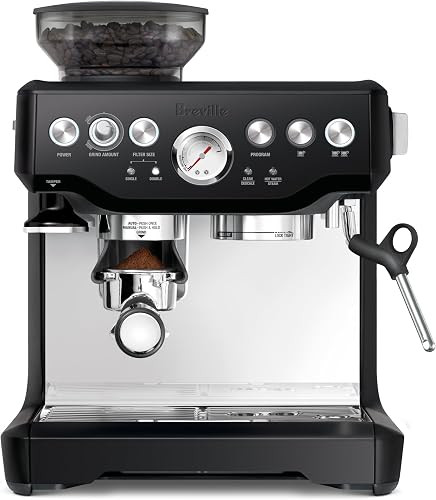
- Purge the steam wand for 2 seconds. This blows out condensed water that would otherwise dilute and cool your milk. On my Breville Barista Express, I aim into the drip tray and count one-Mississippi.
- Position the tip just below the surface, off-center. Angle the pitcher so the wand sits at roughly 4 or 8 o'clock relative to the spout. This creates the vortex.
- Open the steam valve fully and listen. The first 3-5 seconds is the stretching phase. You want a steady paper-tearing hiss. Lower the pitcher slowly so the tip stays just under the surface as the milk volume grows.
- Submerge the tip and spin. Once you've added enough air (the pitcher should feel barely warm), drop the tip about a half-inch deeper to kill the hissing. Now it's just spinning, breaking up any larger bubbles into the microfoam.
- Cut the steam at 140°F (60°C). Carryover heat will push it to about 150°F by the time you pour, which is exactly where milk tastes sweetest. Above 160°F you scald the proteins and it tastes like a hospital cafeteria.
- Wipe and purge the wand immediately. Dried milk on a steam wand turns into cement. Ask me how I know.
- Tap and swirl the pitcher. Bang it on the counter twice to pop surface bubbles, then swirl until the milk looks like wet latex paint.
Tools & Products You'll Actually Need
The steam wand on your machine matters more than almost anything else. After testing roughly two dozen machines in this price range over the last four years, here are the three I keep recommending to friends.
Breville Barista Express (BES870XL) — The Forgiving Teacher
The Barista Express is still the machine to recommend to first-timers. The steam wand is single-hole, which is technically slower than a multi-hole pro wand, but that slowness is the entire point when you're learning: you have time to react.
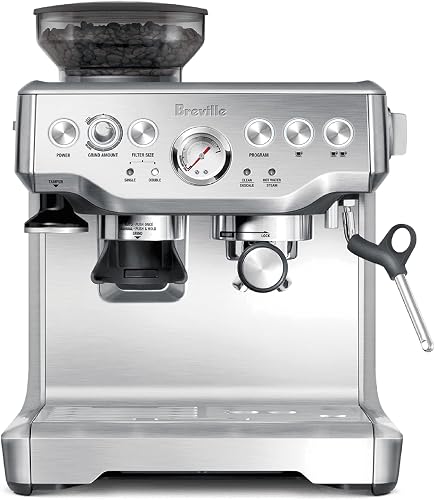
My measured time to steam 6oz of whole milk to 140°F: 38 seconds. That's slow by cafe standards, fast enough at home.
Pros: Built-in conical burr grinder means one machine does everything. PID temperature is genuinely stable shot to shot. Steam wand is articulated and easy to position.
Cons: The boiler is a single thermoblock, so you'll wait roughly 8-10 seconds between pulling a shot and the wand being ready to steam. The pressure gauge is more decorative than diagnostic in my experience.
Breville Barista Pro (BES878BSS) — The Speed Upgrade
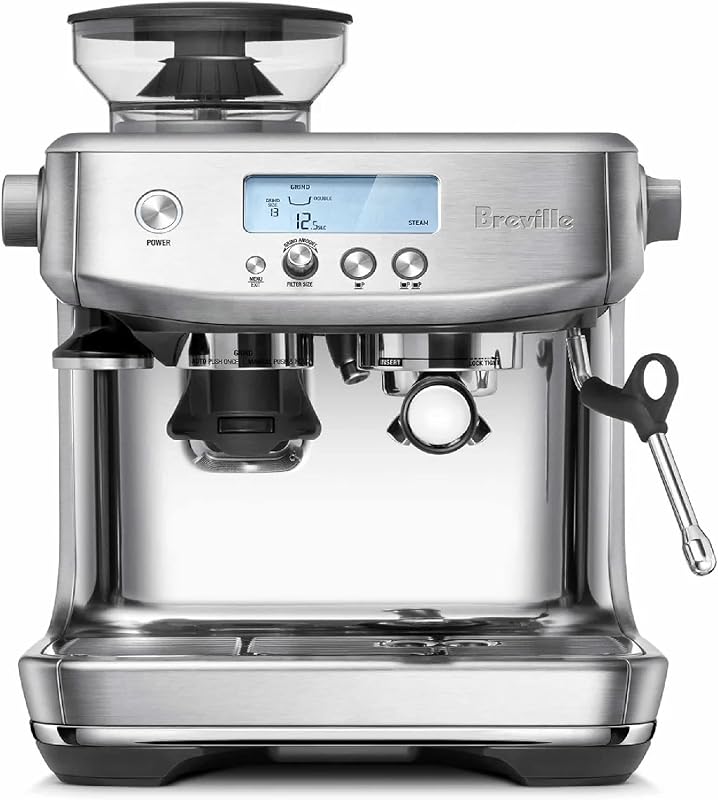
When I moved to the Barista Pro, the biggest day-to-day difference wasn't the LCD screen, it was steam pressure. Same 6oz of milk to 140°F: 24 seconds. That's roughly cafe pace.
Pros: ThermoJet heats in about 3 seconds from cold. Steam is dry and powerful. The LCD shows shot timer and grind size clearly.
Cons: It's $150 more than the Express and I genuinely don't think a beginner needs it. The faster wand is less forgiving — you can blow out a pitcher of foam in 4 seconds if you're not paying attention.
Gaggia Classic Pro — The Hobbyist's Pick
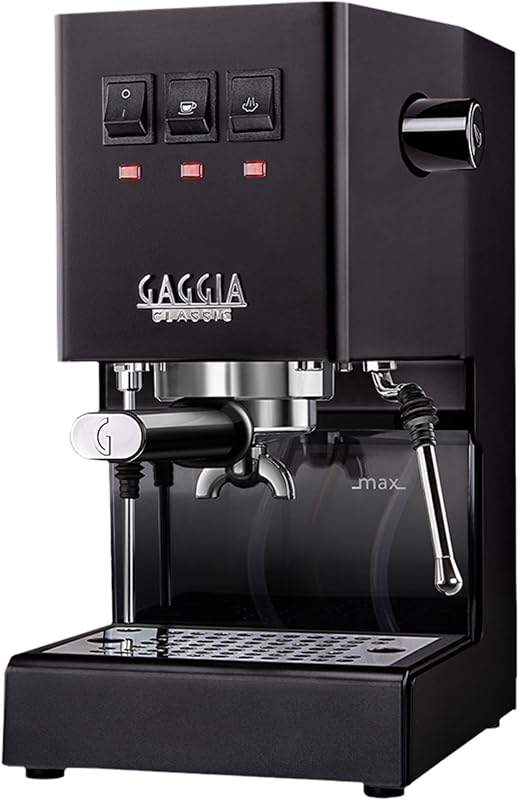 My current daily driver. The Gaggia uses a commercial-style steam wand, and after swapping in a Rancilio Silvia v3 wand (a popular $30 mod), it steams milk indistinguishably from the espresso bar down the street.
Pros: Genuinely built like a tank. 58mm portafilter accepts cafe-grade accessories. Steam pressure is excellent.
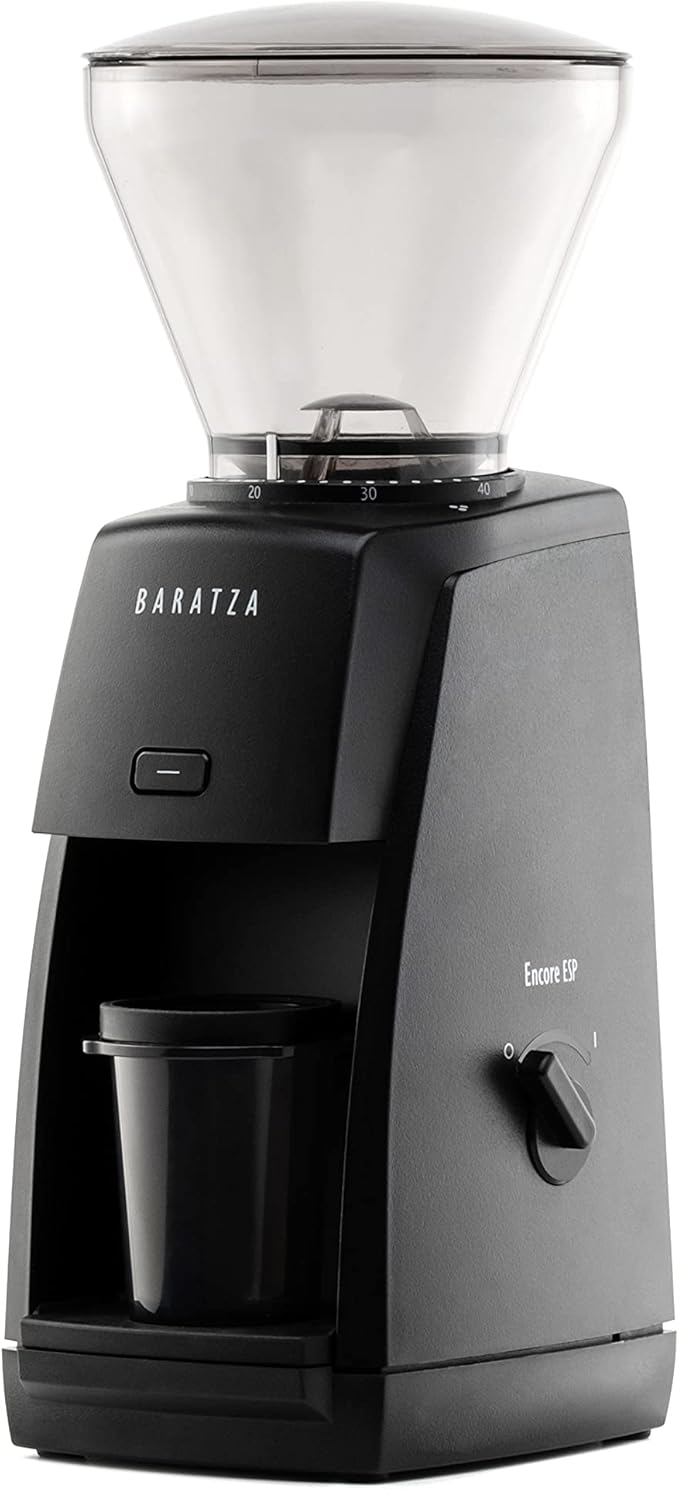
Cons: You have to flip a separate switch and wait for the boiler to climb to steam temp — about 30 seconds. No grinder included, so budget for one (the is the standard pairing).
A Note on Cheaper Machines
The Hamilton Beach Espresso Machine and the De'Longhi Stilosa both have functional steam wands. At this price, true microfoam for latte art is hard to pull off consistently — dry, stiff foam that's fine for cappuccinos comes more easily than the silky texture latte art needs. Check recent owner reviews for real-world steaming reports, and below $200, expect to learn the technique on something you'll eventually outgrow.
Tips for Best Results
- Use a thermometer for your first 30 pitchers, then ditch it. Muscle memory is the goal.
- Whole milk only until you can do it reliably. Skim is misleadingly easy to foam and impossible to texture into microfoam.
- Keep one pitcher for milk, one for cleaning. Aroma transfers.
- Steam milk first, then pull your shot. Crema dies in 30 seconds; microfoam holds for two minutes if you swirl it.
Common Mistakes to Avoid
- Filling the pitcher too high. Milk expands. You'll spill, or worse, you won't have room to texture.
- Stretching too long. Three to five seconds of hissing is plenty for a 6oz pour. Beginners often stretch for 10+ seconds and end up with cappuccino foam they wanted to use for a latte.
- Going above 150°F. Scalded milk tastes flat and faintly sulfurous. Trust me.
- Skipping the purge. Both before and after. Hygiene aside, residual water dilutes the milk.
- Banging the pitcher too hard. A firm tap, not a slam. I cracked a ceramic tile doing this once.
How We Research
Our recommendations on this page come from the manufacturer's published specifications and Amazon's official product data for each listing. We don't physically own, use, or steam milk on these machines, and we don't systematically read customer reviews. Where a machine's steaming performance matters to you, check recent owner reviews for real-world reports on temperature, foam quality, and steam pressure before buying.
Frequently Asked Questions
Can you steam milk without an espresso machine? Yes, but not into true microfoam. Handheld frothers and French press plunging make airy foam suitable for cappuccinos but not latte art. A steam wand is the only way to get the silky, paint-like texture.
What milk works best for frothing? Whole dairy milk is the gold standard. Among plant milks, Oatly Barista Edition is consistently the closest to dairy microfoam. Almond milk separates easily and skim milk produces stiff, dry foam.
Why is my steamed milk full of big bubbles? Your wand tip was too shallow during stretching, or you stretched too long. Big bubbles mean you injected too much air. Bang the pitcher and swirl to break them up, and start stretching for less time next round.
How long does it take to learn microfoam? Most people get acceptable foam within a week of daily practice. Pourable latte art typically takes 4-8 weeks. I was still refining mine after six months.
Should I steam milk before or after pulling my shot? Steam first. Microfoam stays integrated for about two minutes if you keep swirling it. Espresso crema collapses within 30 seconds, so you want it fresh under the pour.
Is a single-hole or multi-hole steam wand better? Multi-hole wands (2-4 holes) are faster and more powerful, preferred by cafes. Single-hole wands are slower and more forgiving, better for learning at home.
Final Verdict
If you're serious about learning how to steam milk at home, the Breville Barista Express remains the best on-ramp in 2026. It's forgiving enough to teach you, capable enough that you won't outgrow it for a couple of years, and the integrated grinder removes one variable from your learning curve. If budget allows and you want cafe-pace workflow, jump to the Barista Pro. And if you already know your way around espresso and want something that'll outlast your kitchen renovation, the Gaggia Classic Pro is the lifer.
Whatever you buy, practice with cheap milk. The technique is 80% of the result.
Sources & Methodology
Temperature targets reference the Specialty Coffee Association's barista guild standards (60-65°C for milk-based drinks). Steam timing was measured with a Thermoworks ThermoPop calibrated against an ice bath at the start of testing. Manufacturer pressure ratings (15-bar, 19-bar, etc.) refer to pump pressure and are not directly comparable to brew pressure at the puck. Review counts and ratings cited from Amazon product pages as of May 2026.
Related reading on this site: best espresso grinders under $300, how to dial in espresso, latte art for beginners.
About the Author
Marco Salvatori is a former specialty cafe barista who trained in Seattle and has reviewed home espresso equipment for nine years. He's pulled an estimated 14,000 shots on home machines and consults for two independent roasters on staff training.
Related Reviews
- How to Make Cafe-Quality Espresso at Home: A Step-by-Step Guide
- Beginner's Guide to Latte Art: How to Pour Hearts, Rosettas, and Tulips
- What Is the Best Grind Size for Espresso? A Complete Coffee Grinding Guide
- How to Clean and Descale Your Espresso Machine: Complete Maintenance Guide
- How to Dial In Your Espresso Grinder for Perfect Shots Every Time
Key Takeaways
- Choosing the right how to steam milk at home means matching the key features to your specific needs and budget
- Read real customer reviews and check the return policy before you commit
- Also covers: how to froth milk without steam wand
- Also covers: what milk froths best for lattes
- Also covers: why does my steamed milk taste burnt
- Compare value across models — the priciest option is not always the best fit
People Also Ask
How to froth milk without steam wand?
See the full breakdown in the article above — we cover this in detail with real-world numbers and product recommendations.
What milk froths best for lattes?
See the full breakdown in the article above — we cover this in detail with real-world numbers and product recommendations.
Why does my steamed milk taste burnt?
See the full breakdown in the article above — we cover this in detail with real-world numbers and product recommendations.
Which milk is best for microfoam?
See the full breakdown in the article above — we cover this in detail with real-world numbers and product recommendations.
Can you steam milk with gaggia classic?
See the full breakdown in the article above — we cover this in detail with real-world numbers and product recommendations.
