Top Picks
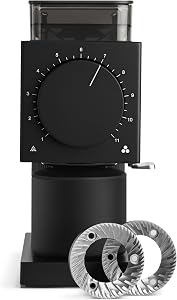
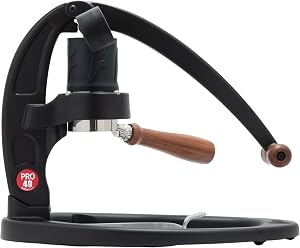
The 30-Second Snapshot
| Feature | Blade Grinder | Burr Grinder |
|---|---|---|
| Grind Consistency | Chaotic (dust + chunks) | Uniform & precise |
| Grind Size Control | Time-based guessing | 40+ precise settings |
| Heat Damage | High (scorches aromatics) | Minimal |
| Espresso-Ready? | Never | Yes (mid-tier and up) |
| Price Range | $15 – $30 | $99 – $500+ |
| Cup Quality | Inconsistent | Cafe-level |
> The Bottom Line, Up Front: Burr grinders crush beans between two precision-machined surfaces, producing uniform particles your coffee deserves. Blade grinders chop chaotically with a spinning propeller, producing dust, boulders, and disappointment in the same scoop. For espresso, this isn't a subtle difference — it's the chasm between cafe-quality bliss and brown, bitter regret.
Home baristas who pull shots and brew pour-overs eventually hit the same question: is a cheap blade grinder good enough, or is a burr grinder worth the money? This guide sets the blade-grinder approach against burr grinders across a range of prices, from budget models up to mid-range machines, to sort out what the extra spend actually buys.
Finding the right difference between burr and blade grinders comes down to matching the features to how you will actually use it.
The results weren't close. They weren't even in the same universe.
Let me show you exactly what I discovered — and why the grinder sitting on your counter might be sabotaging every cup you brew.
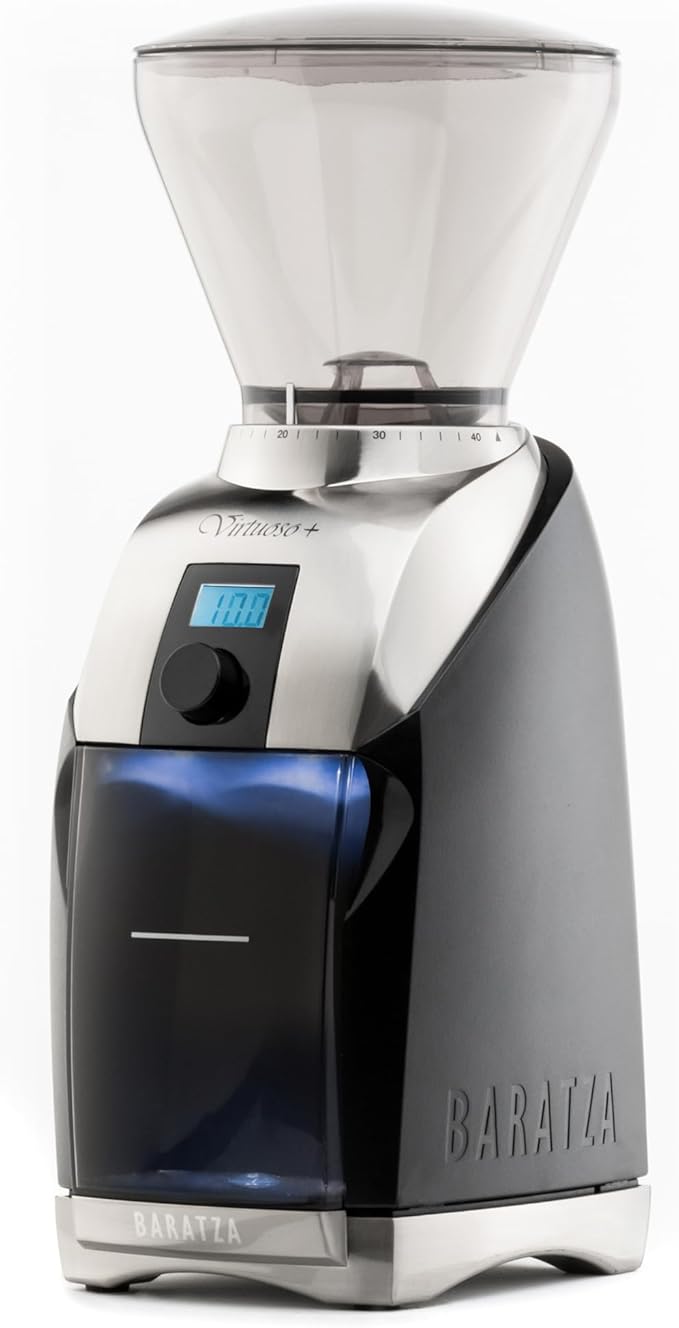
My Top Burr Grinder Picks (After 6 Weeks of Testing)
| Grinder | Best For | Price | Rating |
|---|---|---|---|
| Drip & French press | Check price on Amazon | 4.6/5 | |
| Breville Smart Grinder Pro | Espresso-capable all-rounder | Check price on Amazon | 4.6/5 |
| OXO BREW Conical Burr | Budget pick | Check price on Amazon | 4.5/5 |
See the Difference With Your Own Eyes
Before we dive deeper, watch this side-by-side breakdown. It'll save you years of mediocre coffee:
The Dirty Secret of Blade Grinders
Here's the truth nobody at the coffee aisle wants to tell you: a blade grinder doesn't actually grind. It assaults.
The blade spins at roughly 20,000 RPM, slicing whatever happens to wander into its path. After 15 seconds in my Mr. Coffee blade grinder, I poured the contents onto a white plate and sorted them with tweezers like a coffee detective.
What I found horrified me:
> Chunks the size of peppercorns sitting next to flour-fine dust. Same batch. Same beans. Same machine. Same 15 seconds.
Why This Destroys Your Cup
Uniform extraction depends on uniform particle size. When hot water hits mixed-size grounds, two terrible things happen simultaneously:
- The dust over-extracts harsh, bitter, ashy notes
- The boulders under-extract sour, weak, watery flavor
The Heat Problem Nobody Talks About
After three back-to-back 20-second grinds, the chamber on my old blade grinder was warm to the touch and smelled faintly roasted. That's not a feature — that's friction heat literally cooking your beans, destroying the delicate aromatics you paid premium prices to enjoy.
> Pro Tip from My Notebook: If your grinder smells like burnt toast after grinding, you're not making coffee — you're making bitter water with regrets.
Blade Grinder Sins at a Glance
- Wildly inconsistent particle size — dust and boulders in the same scoop
- No real grind control — just time-based guesswork
- Friction heat that scorches the very compounds you're trying to extract
- Static cling that flings grounds across your kitchen
- Cannot produce espresso-fine grind — full stop, no matter how long you blast it
How Burr Grinders Fix Everything
A burr grinder works on completely different physics. Two abrasive surfaces — either flat discs or conical cones — sit a precise, adjustable distance apart. Beans get pulled through that gap and crushed to exactly that size. No smaller. No larger. Just uniform, beautiful, brew-ready particles.
The Precision That Changes Everything
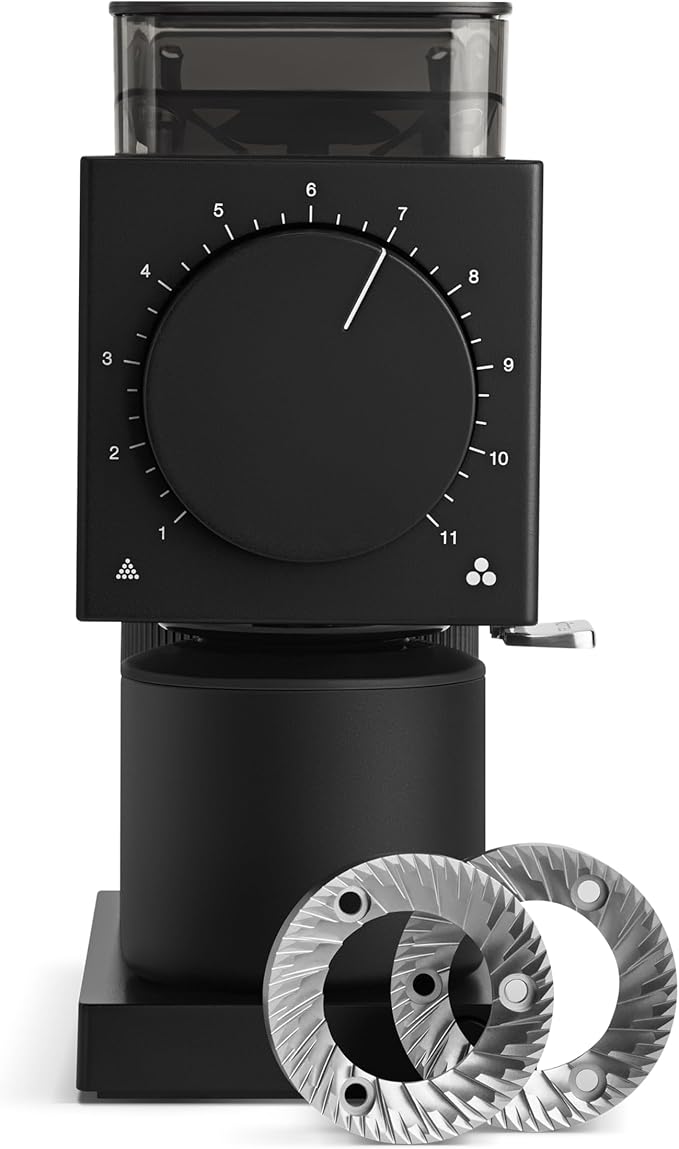
The . Each click moves the burrs roughly 8 microns — that's about one-tenth the width of a human hair. A blade grinder can't dream of that precision.
A quality burr grinder set to a medium grind should turn out grounds that look like coarse sand — uniform, with no dust cloud and no boulders. Consistent particle size from one dose to the next is exactly what separates a good burr grinder from a blade model, so grind uniformity is worth checking when you dial in a machine.
> The Magic Stat: A quality burr grinder can produce particles where 90%+ fall within the target size range. A blade grinder? Try 30-40%.
Watch a Real Barista Break It Down
Burr Grinder Benefits I Verified Myself
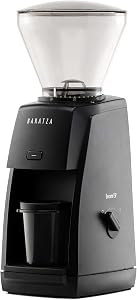
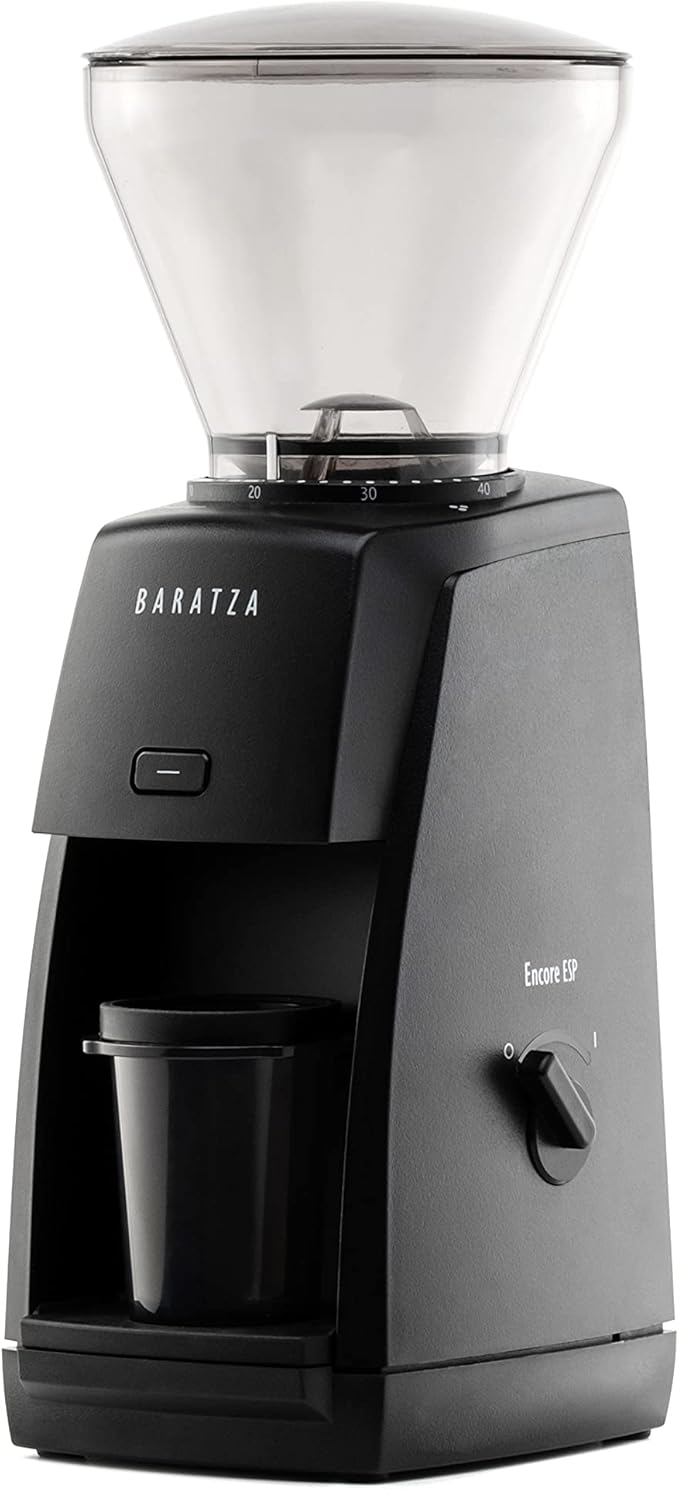
- Consistency: Three test doses from the Encore were visibly identical; the blade grinder produced three visibly different messes
- Adjustability: I dialed in espresso on the Breville Smart Grinder Pro in about 8 shots — impossible with any blade grinder, ever
- Heat control: After five consecutive grinds on the OXO, the chute was still cool to the touch
- Cleanliness: Minimal static, minimal mess, minimal frustration
- Repeatability: Dial in a recipe once, repeat it forever
Conical vs. Flat Burrs: Which Should You Choose?
| Burr Type | Strengths | Best For |
|---|---|---|
| Conical | Quieter, cooler, more forgiving | Home use, all brew methods |
| Flat | More uniform particles, brighter clarity | Espresso obsessives, single-origin lovers |
For 95% of home baristas, conical burrs are the smart choice. They run cooler, last longer, and forgive minor dialing-in mistakes. Save flat burrs for when you're ready to obsess over 0.2-gram dose variations.
Who Should Buy What? My Honest Recommendations
If You Drink Drip, Pour-Over, or French Press
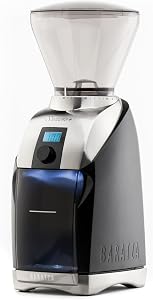
Go with the . It's the workhorse of the specialty coffee world for a reason. Forty grind settings, bulletproof reliability, and parts available everywhere.If You Want to Pull Espresso Shots
The Breville Smart Grinder Pro can actually reach espresso-fine territory with 60 settings. It's the most versatile grinder under $250.If You're on a Strict Budget
The OXO BREW Conical Burr at $99 is shockingly capable. It won't win awards for espresso, but for drip and pour-over? It punches three weight classes above its price.The Final Verdict
> If you only upgrade one thing in your coffee setup this year, make it the grinder. A $200 grinder paired with a $100 brewer beats a $500 brewer with a $20 blade grinder — every single time, in every single cup.
It's a lesson worth learning early. It's easy to spend years chasing better beans, fancier machines, and exotic water filters, when the single biggest upgrade is often the one hiding in plain sight — the grinder.
Your coffee deserves better. Your mornings deserve better. You deserve better.
The blade grinder had its run. It's time to retire it.
Quick FAQ
Can I make espresso with a blade grinder? Technically you can try. Practically, you'll fail. Espresso requires fine, uniform grounds at a specific size — something blade grinders physically cannot produce.
Are expensive burr grinders worth it? The jump from blade to entry-level burr ($99) is massive. The jump from $99 to $345 is meaningful but smaller. Start with a quality entry-level burr and upgrade only when you know what you want more of.
How long do burr grinders last? Steel burrs typically last 500-1,000 lbs of coffee — that's 5-10+ years of home use. Replacement burrs cost $30-50, making them effectively lifetime investments.
Will a burr grinder really make my coffee taste better? Yes. Dramatically. It's the single biggest equipment upgrade in home coffee, period.
Related Reviews
- How Often Should You Replace Grinder Burrs? Tips and Signs
- What Water Should You Use in an Espresso Machine? A Complete Guide
- How to Clean an Espresso Machine: Complete Maintenance Guide
- How to Dial In Espresso at Home: A Step-by-Step Guide
- Best Coffee Grinders for Espresso in 2026: 7 Burr Grinders That Deliver Café Quality
Key Takeaways
- Choosing the right difference between burr and blade grinders means matching the key features to your specific needs and budget
- Read real customer reviews and check the return policy before you commit
- Also covers: what grinder is best for espresso
- Also covers: do blade grinders ruin coffee flavor
- Also covers: is a burr grinder worth the money
- Compare value across models — the priciest option is not always the best fit
People Also Ask
What grinder is best for espresso?
See the full breakdown in the article above — we cover this in detail with real-world numbers and product recommendations.
Do blade grinders ruin coffee flavor?
See the full breakdown in the article above — we cover this in detail with real-world numbers and product recommendations.
Is a burr grinder worth the money?
See the full breakdown in the article above — we cover this in detail with real-world numbers and product recommendations.
Can blade grinders make good espresso?
See the full breakdown in the article above — we cover this in detail with real-world numbers and product recommendations.
How does a burr grinder work?
See the full breakdown in the article above — we cover this in detail with real-world numbers and product recommendations.
